 01Standpoint Score7.8/10Research
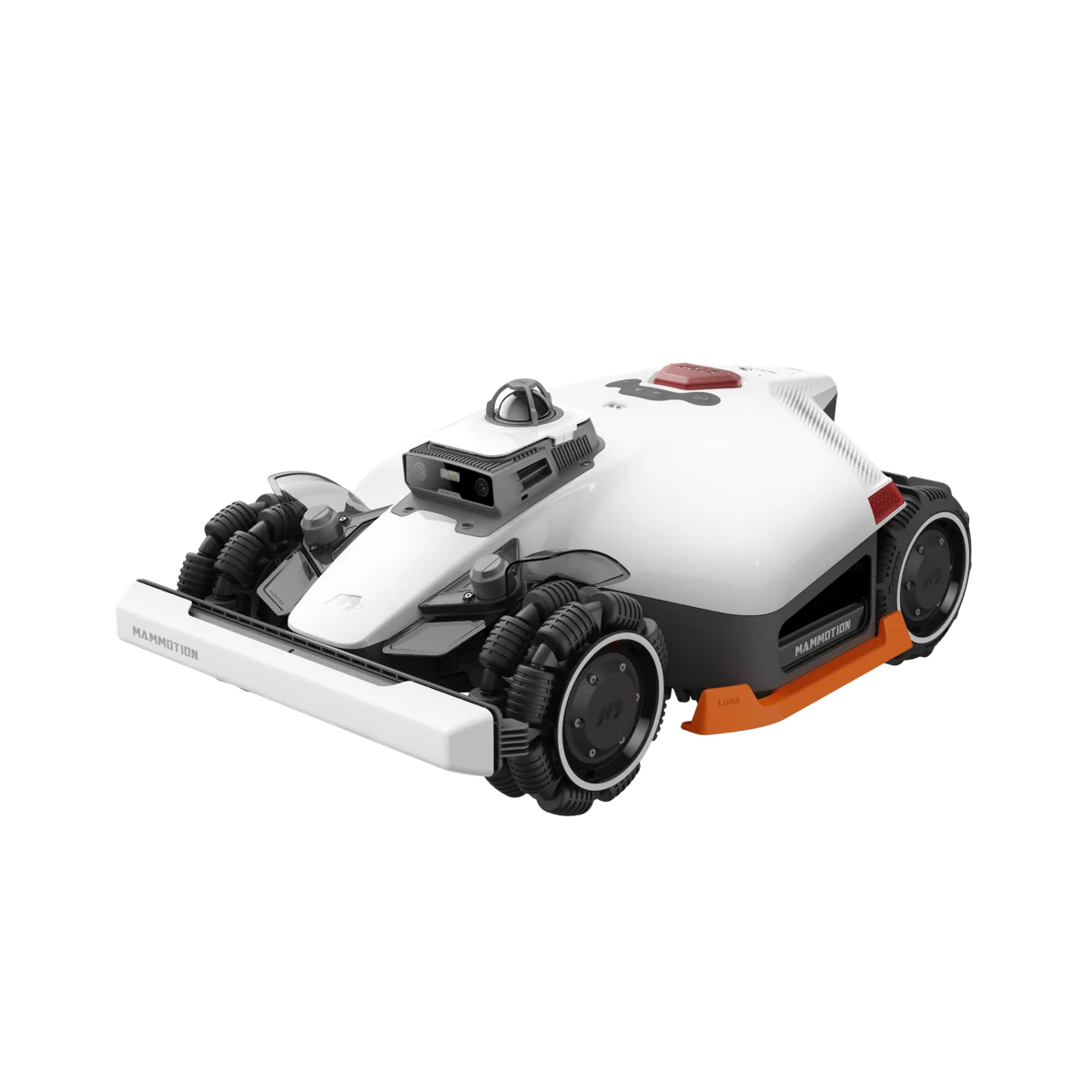
Mammotion LUBA 3 AWD
LUBA 3 AWD is not one universal specification.
The outside job, reconsidered.
32 reviews · Showing 1–24
Research reviews · Source links included01Standpoint Score7.8/10ResearchLUBA 3 AWD is not one universal specification.
 02Standpoint Score6.1/10Research
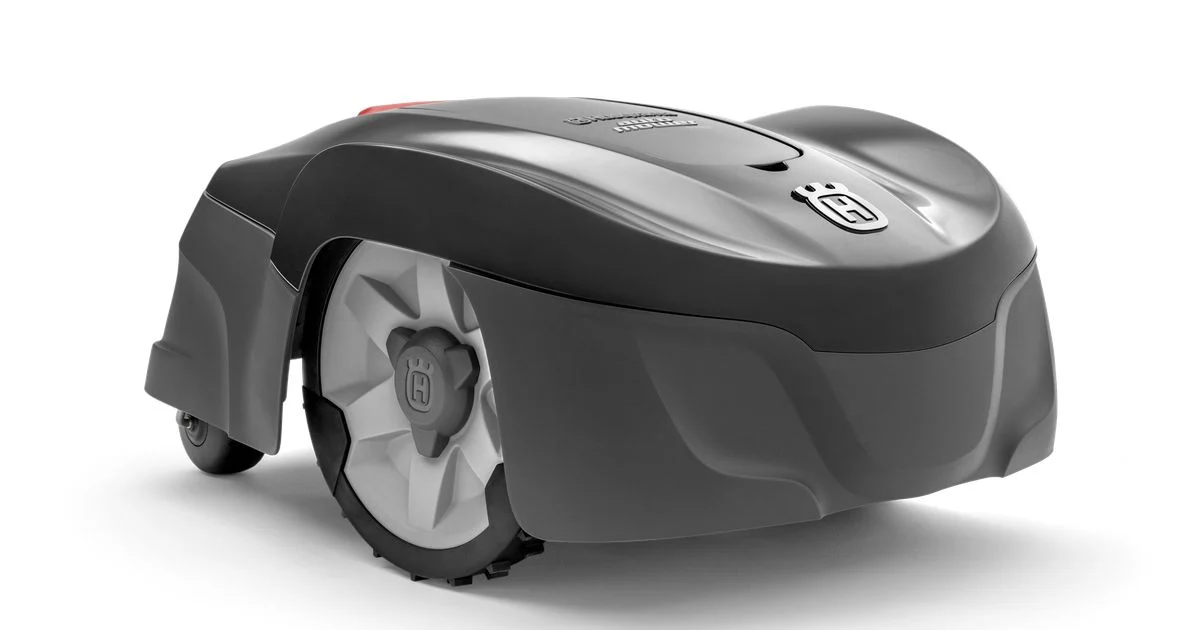
The 115H is interesting because it asks whether a lawn actually needs the newest navigation system.
 03Standpoint Score6.6/10Research
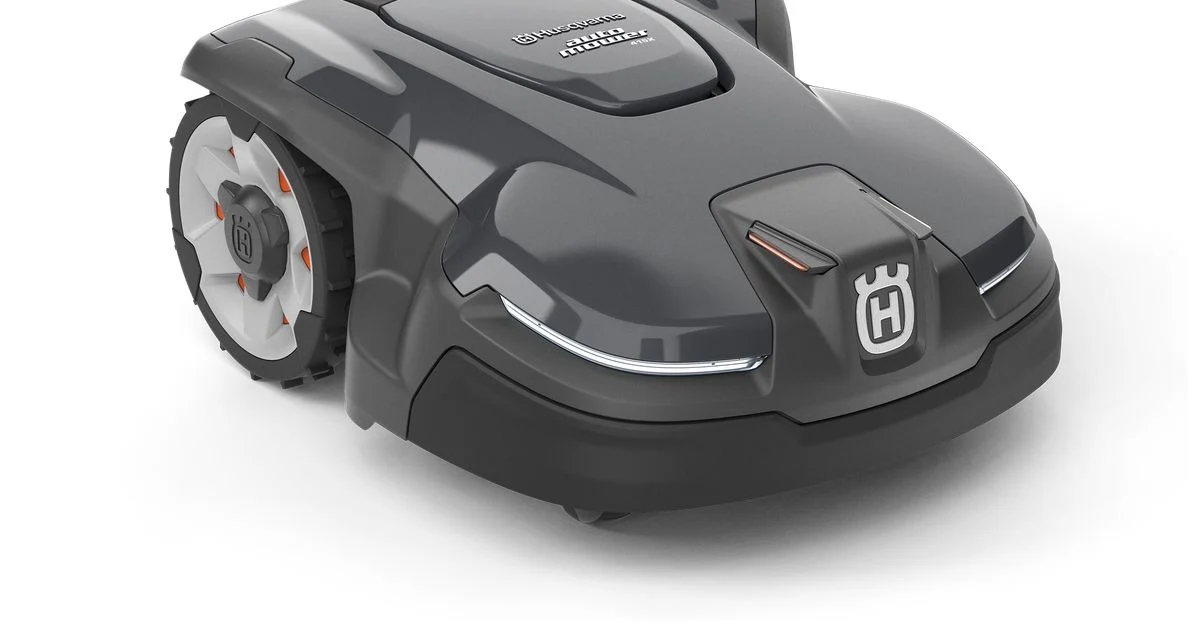
The 415X pairs a conventional wired installation with more connected ownership than the basic 115H Bluetooth.
 04Standpoint Score6.7/10Research
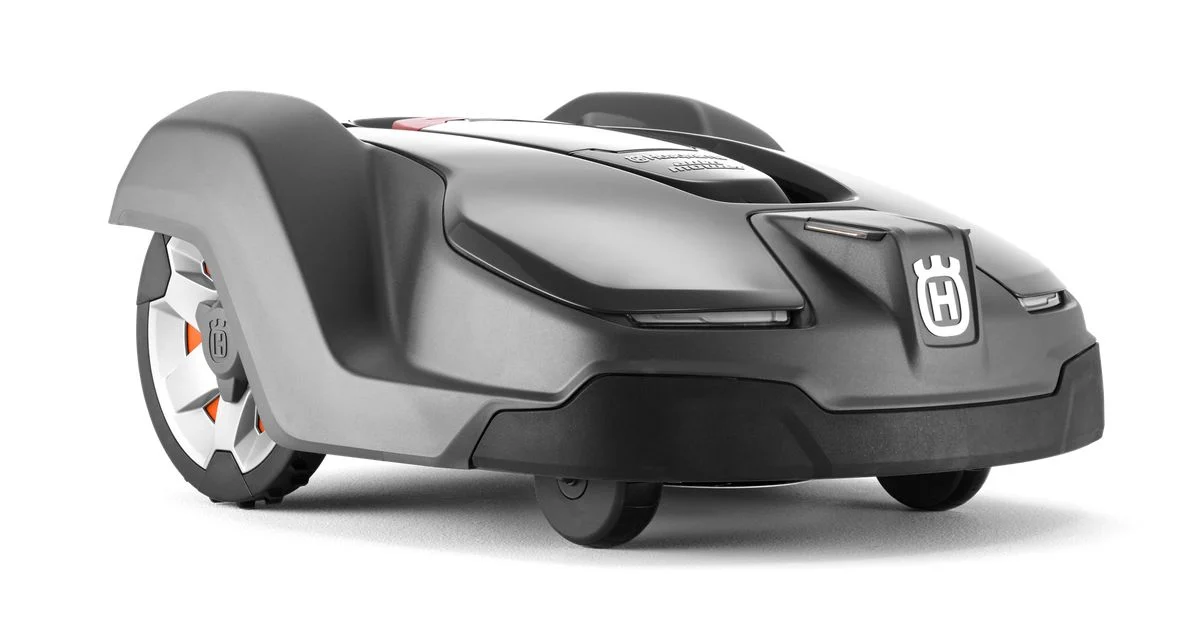
The 430X occupies a useful place in the used-mower market: more capacity than the compact 415X, with a documented wired platform and connected X-line features.
 05Standpoint Score7.0/10Research
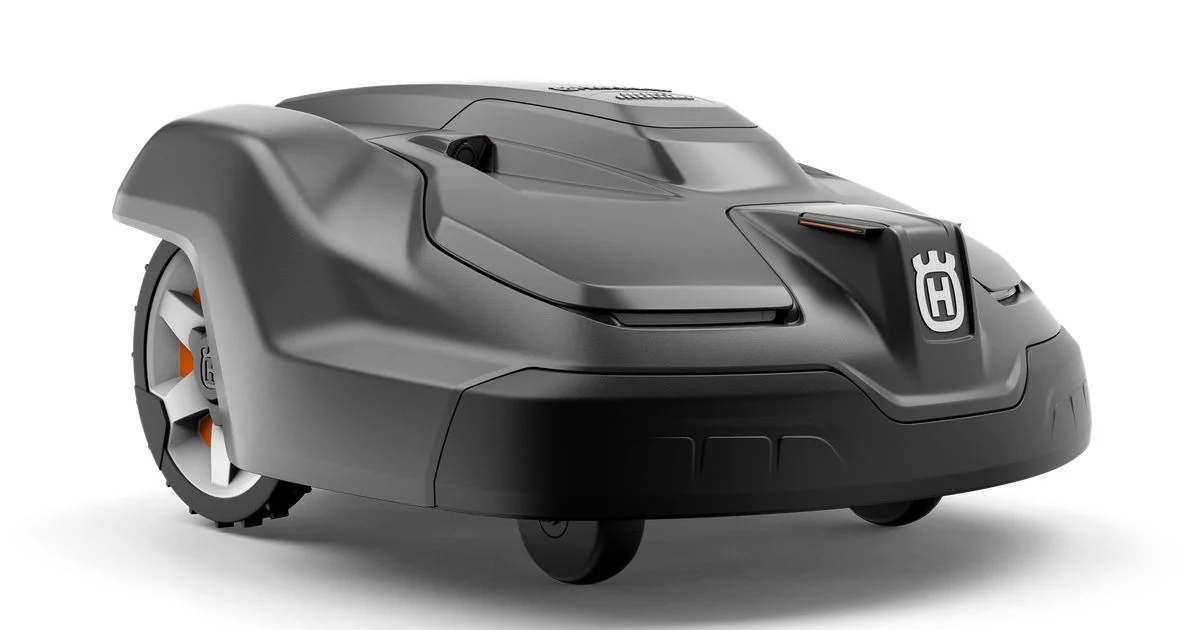
The 450XH EPOS demonstrates why robotic mower acreage is only the beginning of a purchase decision.
 06Standpoint Score7.7/10Research
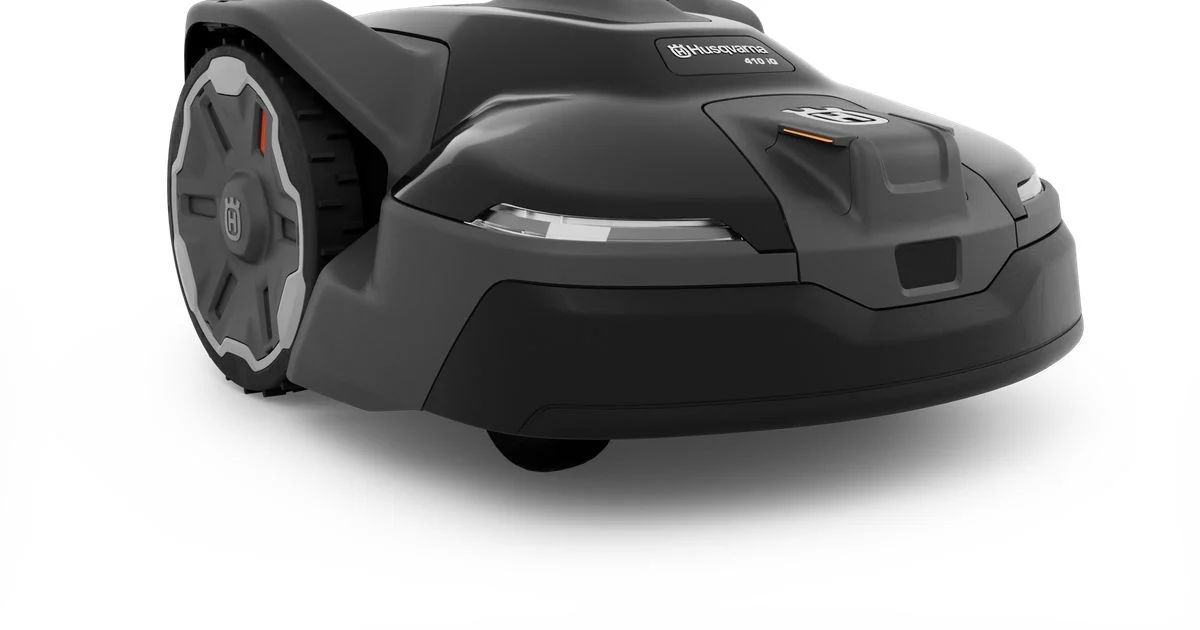
The 410 iQ's most consequential specification is not a sensor count.
 07Standpoint Score7.8/10Research
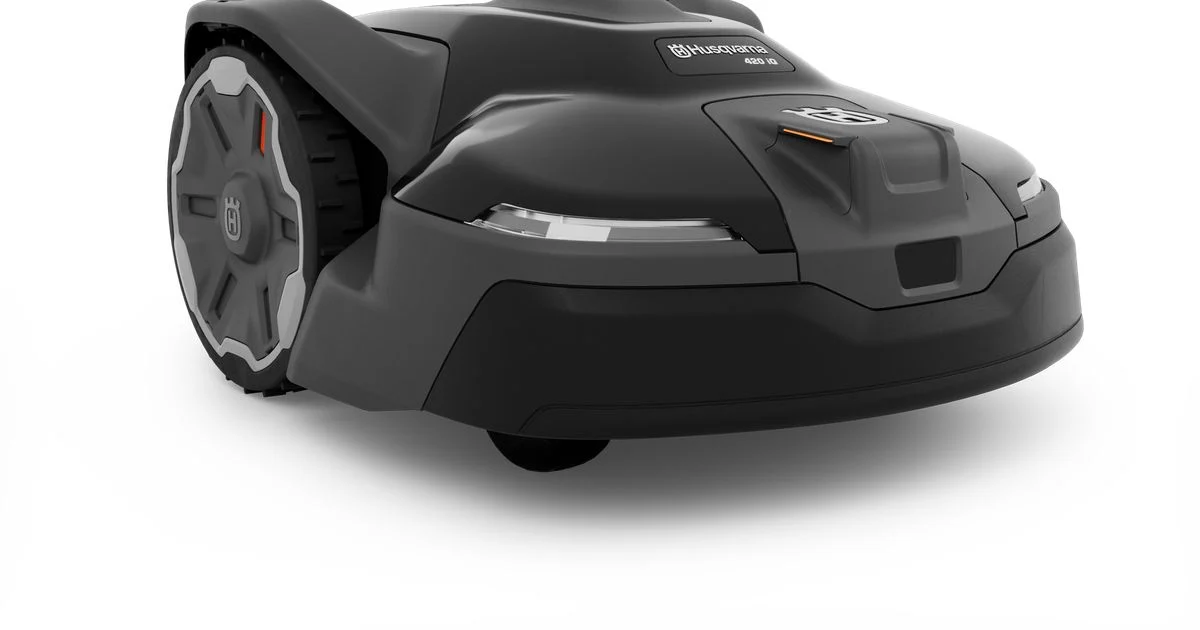
The 420 iQ is the middle step for owners who find the 410 iQ's capacity restrictive but do not need the 440 iQ's larger area claim.
 08Standpoint Score7.8/10Research
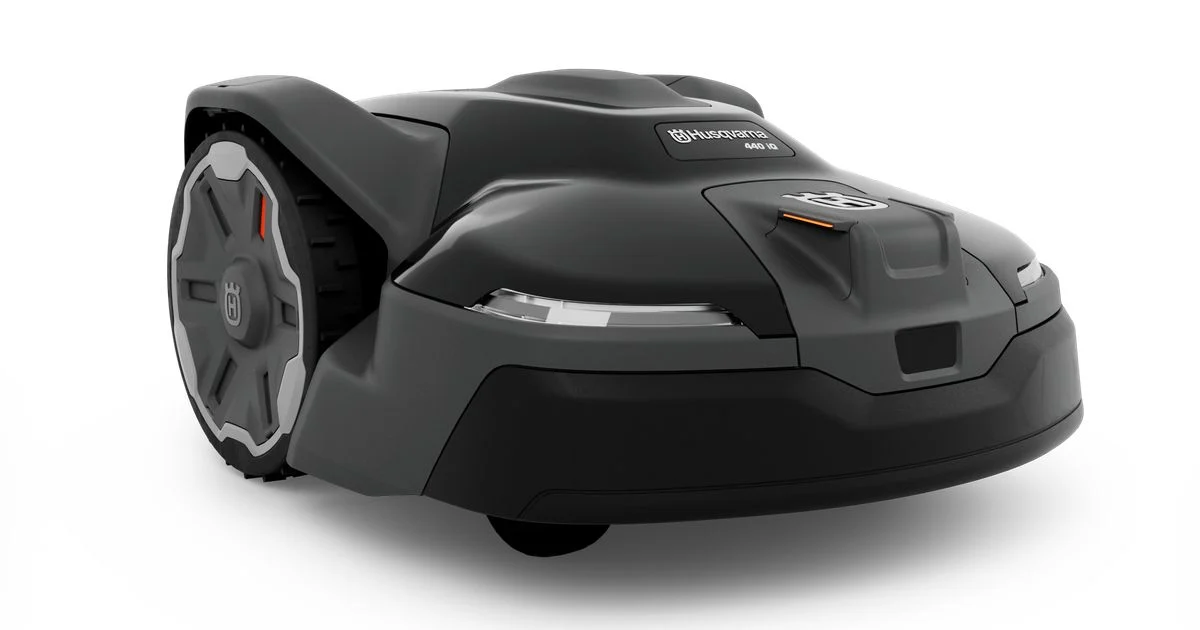
The 440 iQ's headline two-acre rating refers to systematic mowing; the same specification table lists one acre for irregular mowing.
 09Standpoint Score7.4/10Research
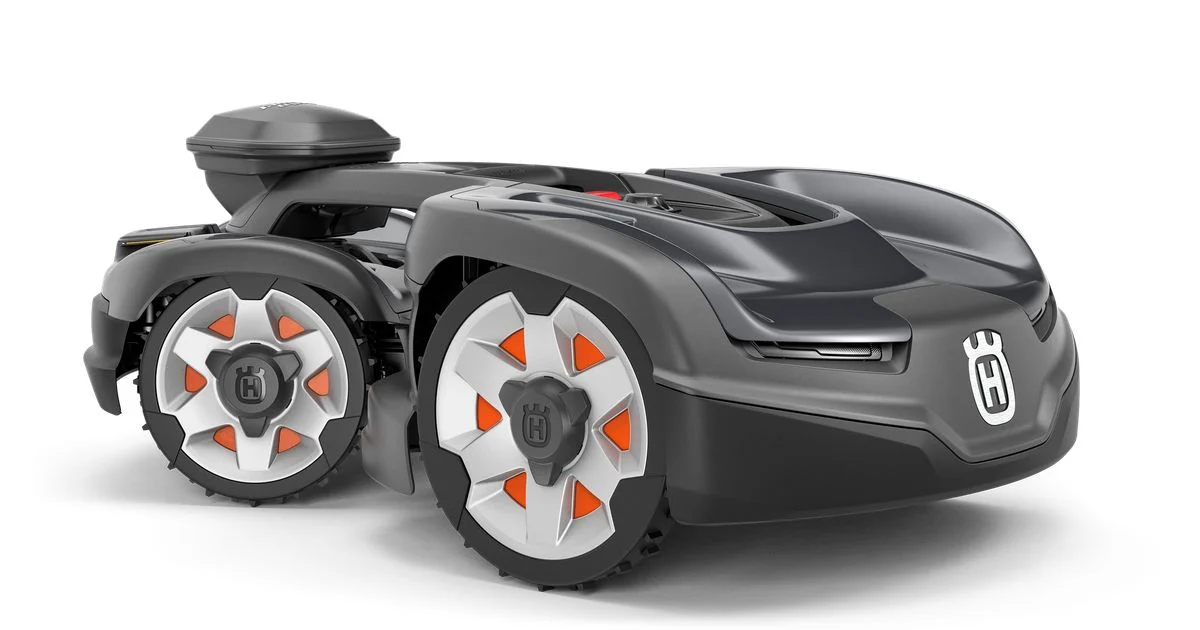
The 435 iQ AWD is visually and mechanically different from the conventional iQ models.
 10Standpoint Score7.7/10Research
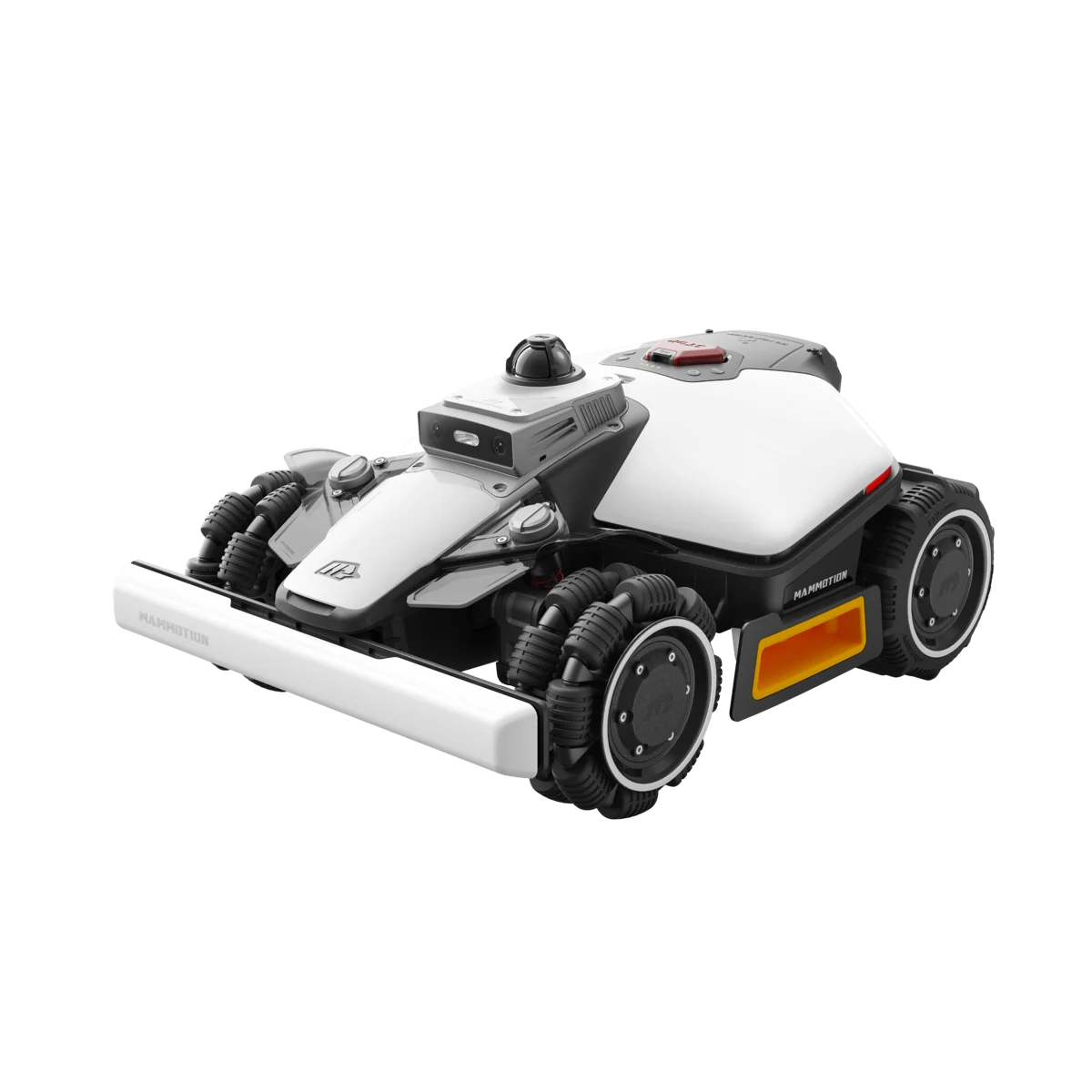
The LUBA mini 2 AWD 1500 targets a useful problem: a lawn that is not large enough to justify a flagship estate mower but still contains banks, uneven ground and awkward edges.
 11Standpoint Score7.6/10Research
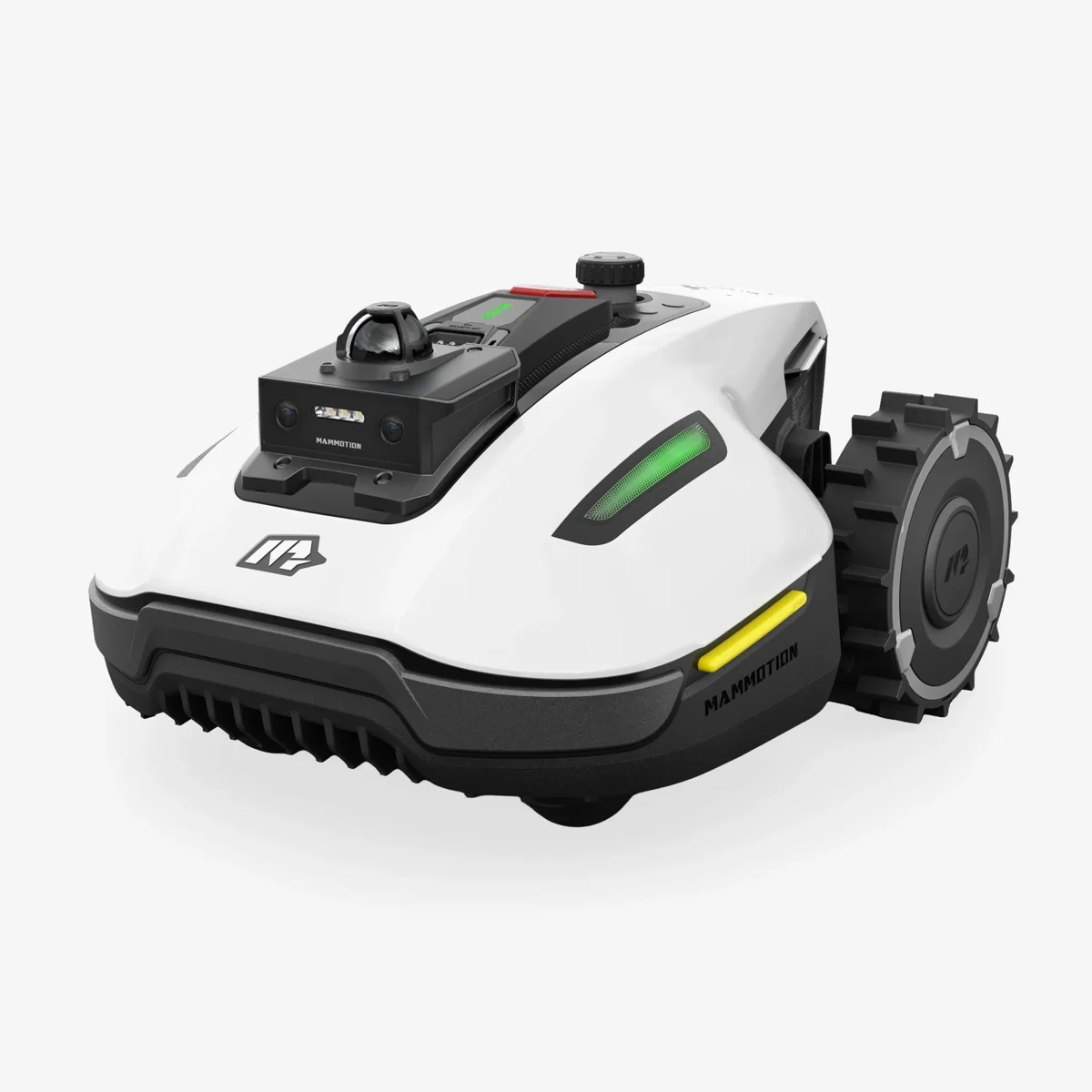
YUKA mini 2 1000H is interesting as a deliberate step away from Mammotion's more elaborate all-wheel-drive machines.
 12Standpoint Score7.2/10Research
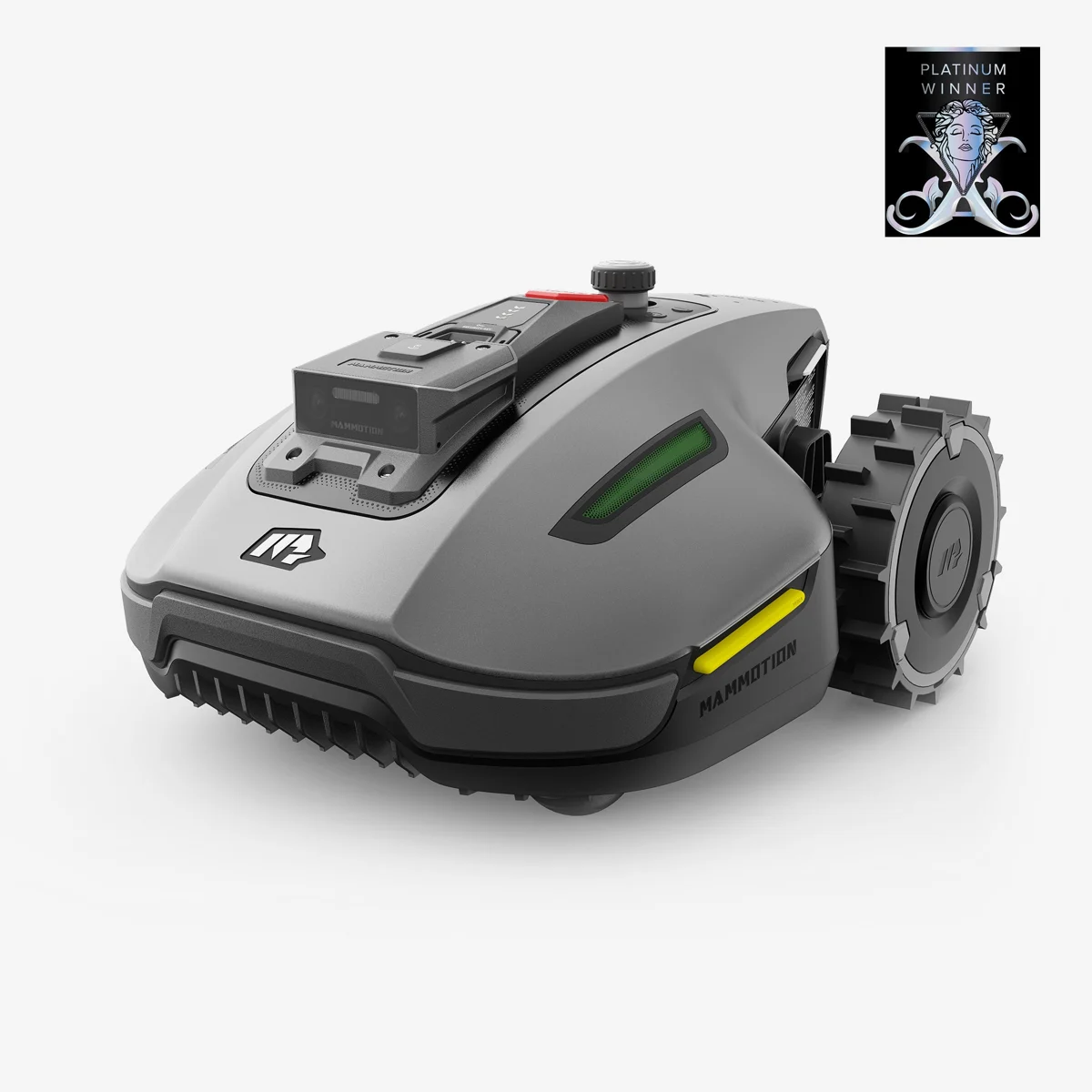
The original YUKA mini uses a package that includes an RTK reference station, antenna and related power hardware.
 13Standpoint Score7.4/10Research
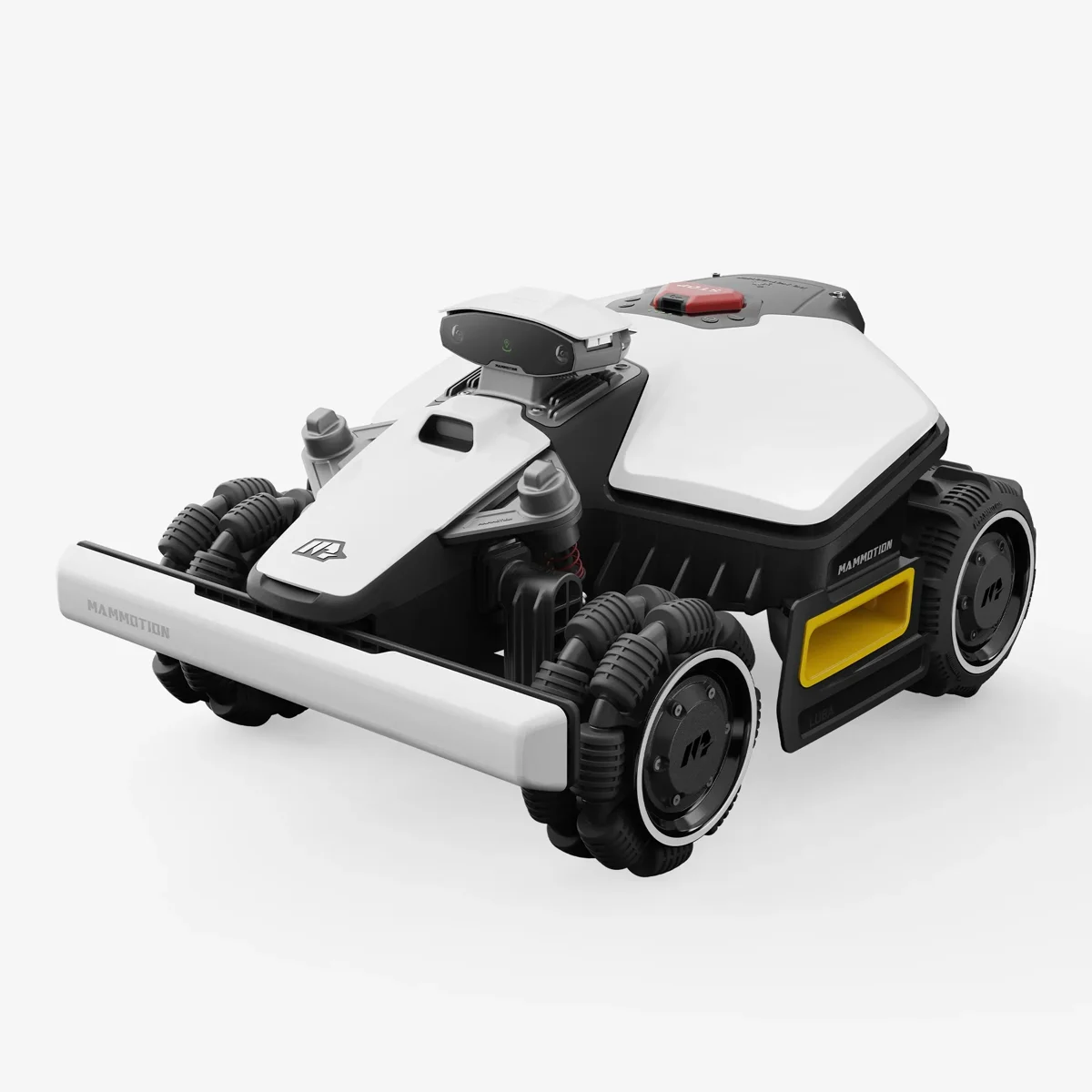
LUBA mini AWD takes Mammotion's traction-led design into a compact working-area class.
 14Standpoint Score7.4/10Research
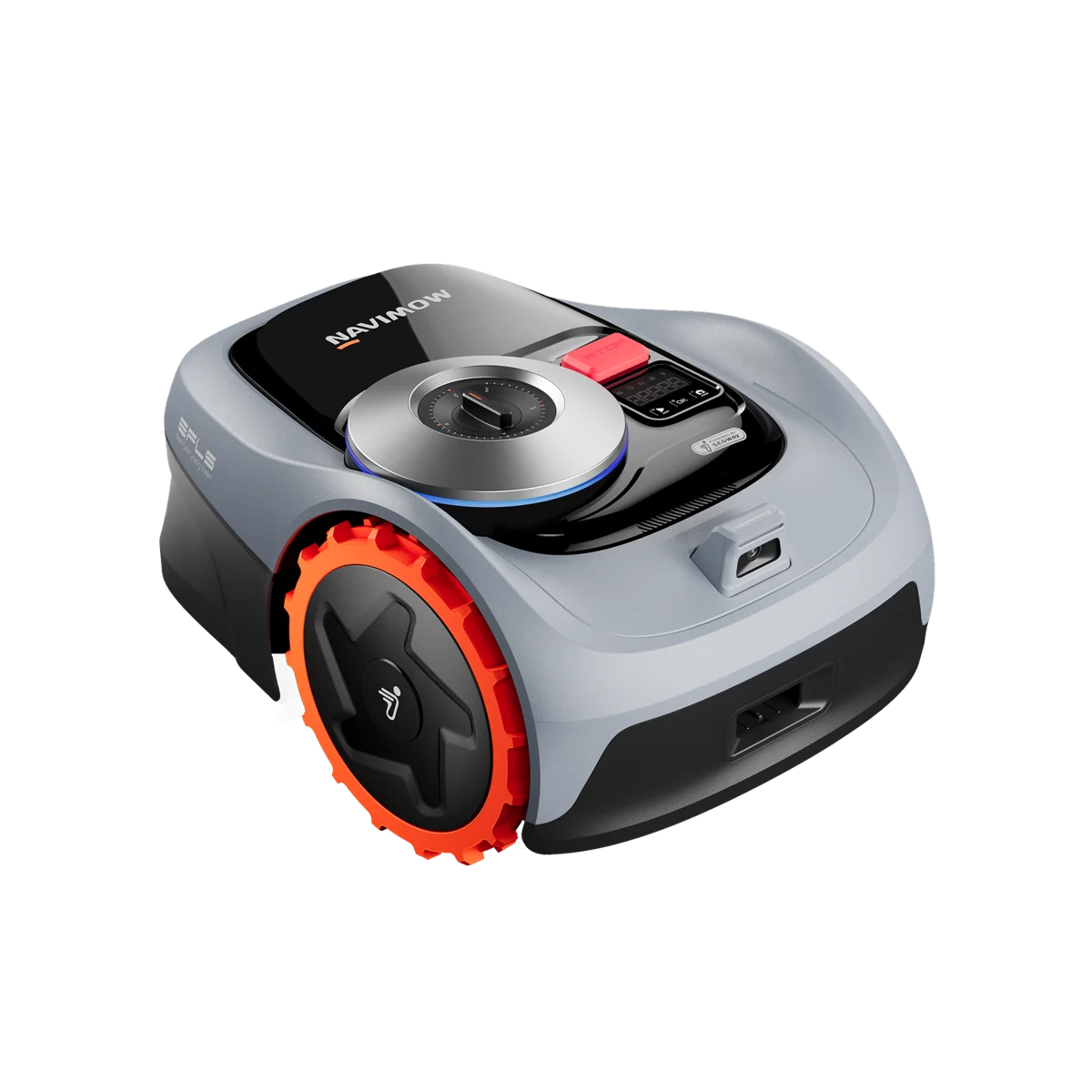
The i105N's 0.125-acre rating gives it a clear role: maintaining a modest amount of turf without paying for estate-scale capacity.
 15Standpoint Score7.5/10Research
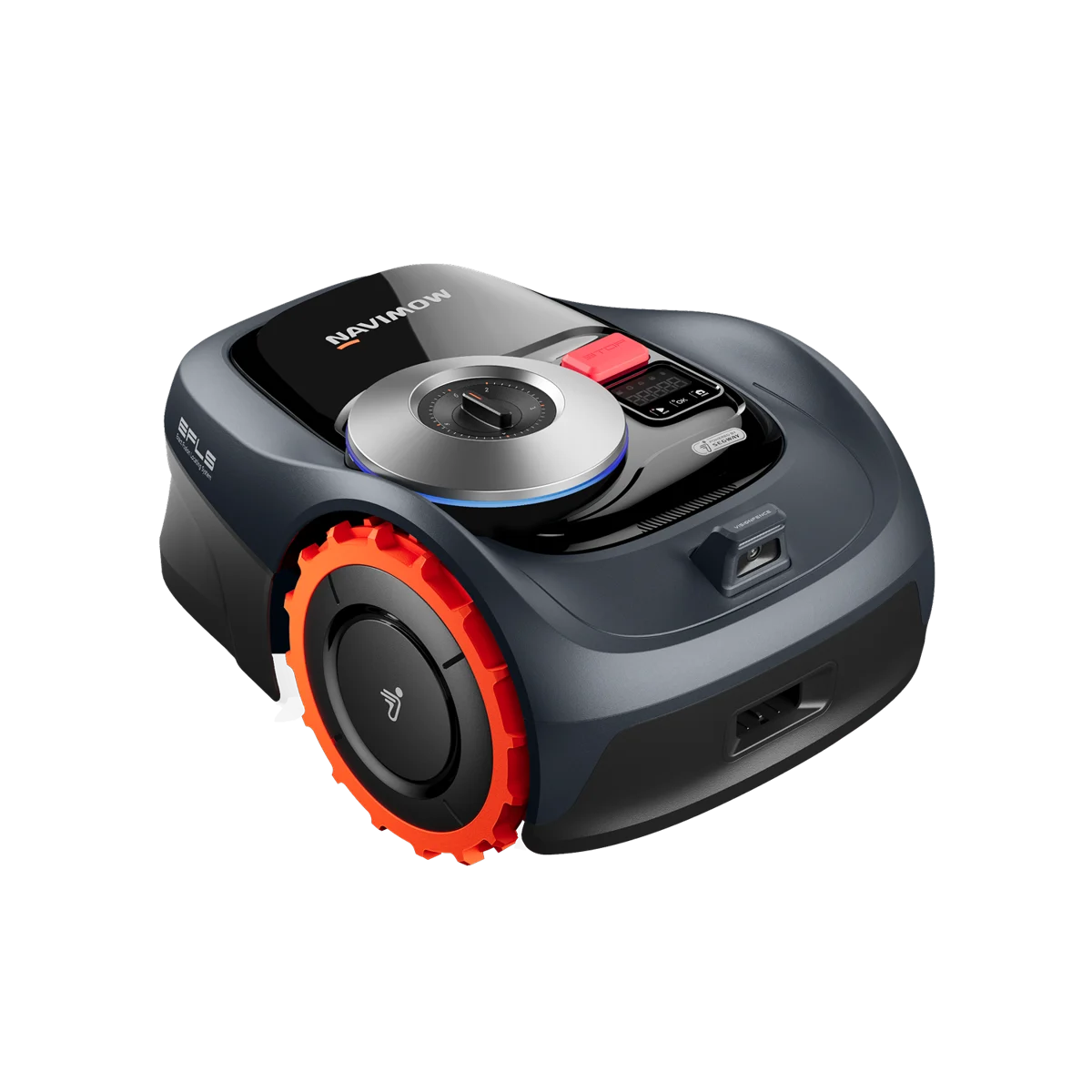
The i110N raises the original i-series area proposition to 0.25 acre.
 16Standpoint Score7.8/10Research
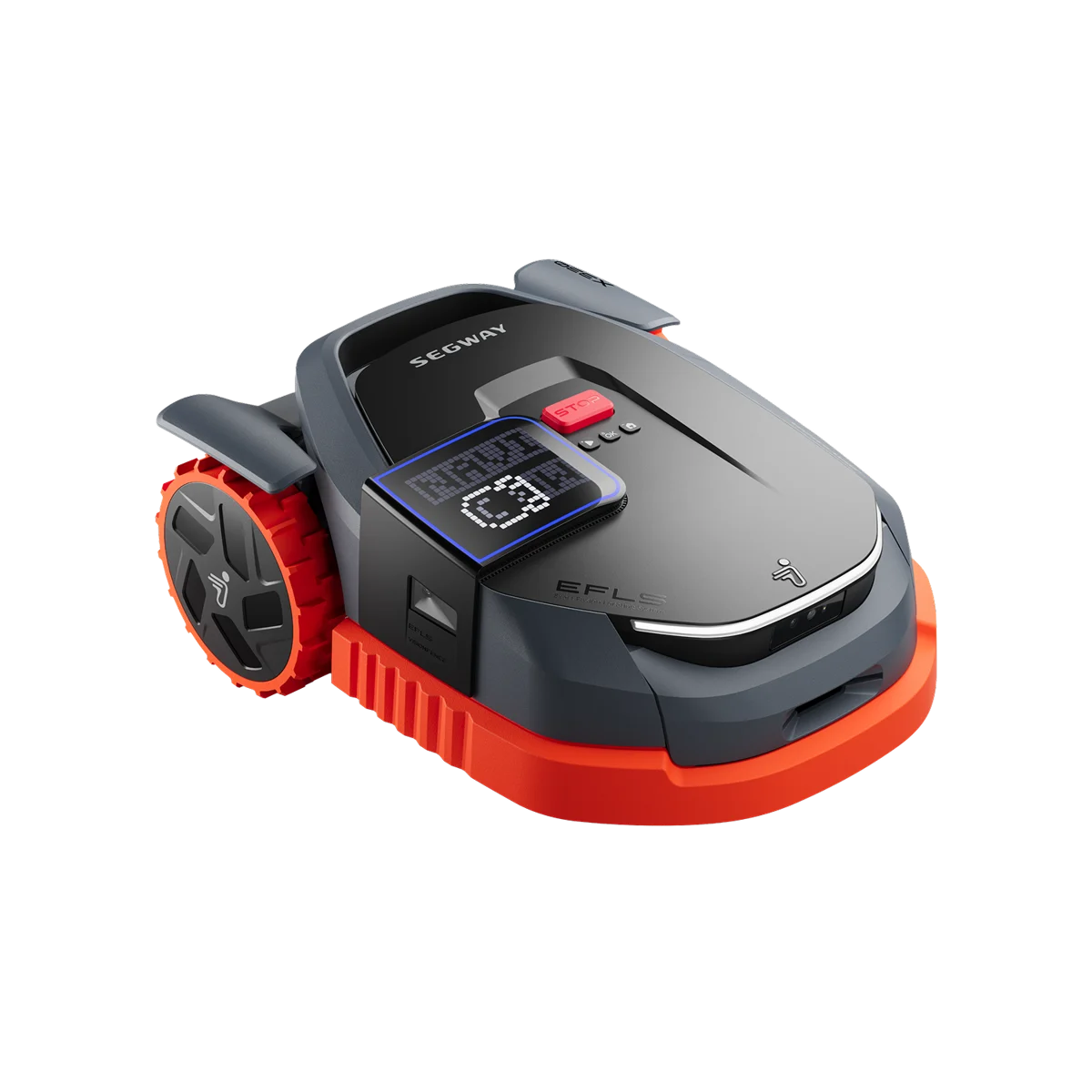
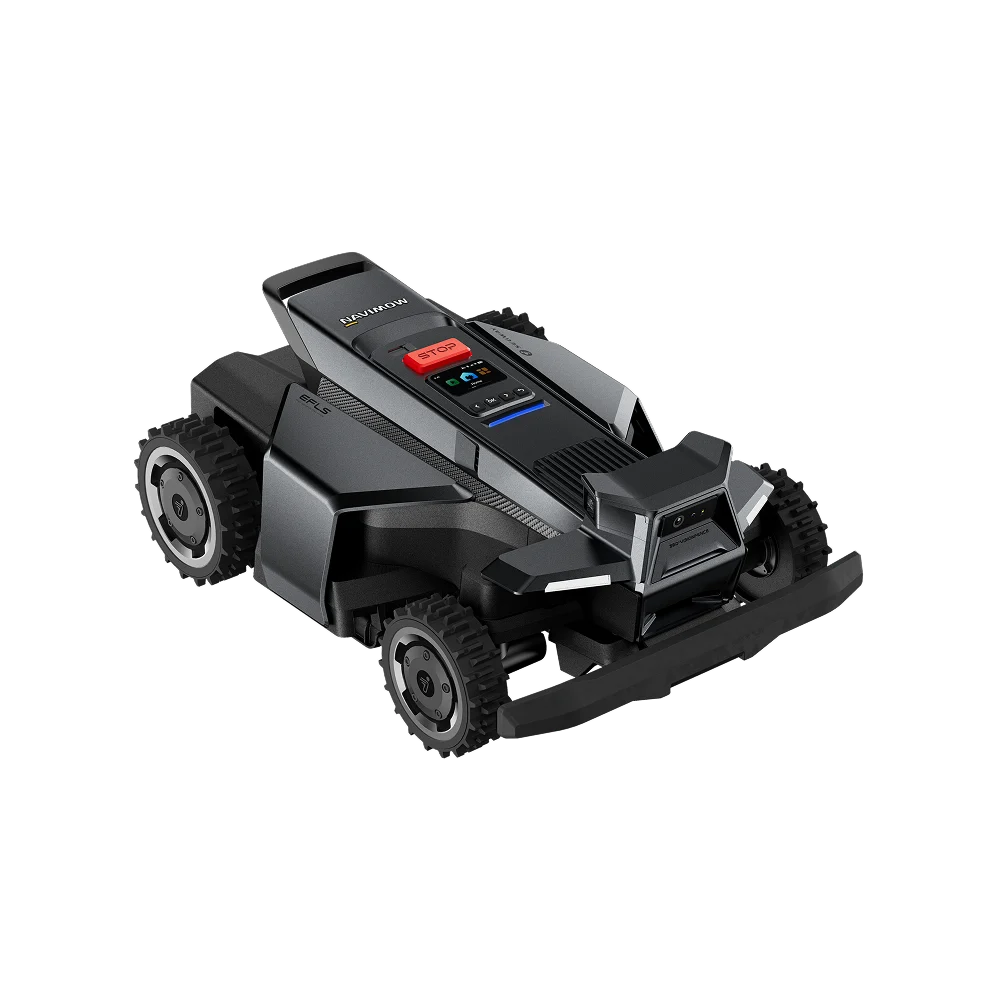
Navimow rates X390 for 2.5 acres and publishes a 240-minute full-charge mowing time with a 100-minute charging time.
 17Standpoint Score7.8/10Research
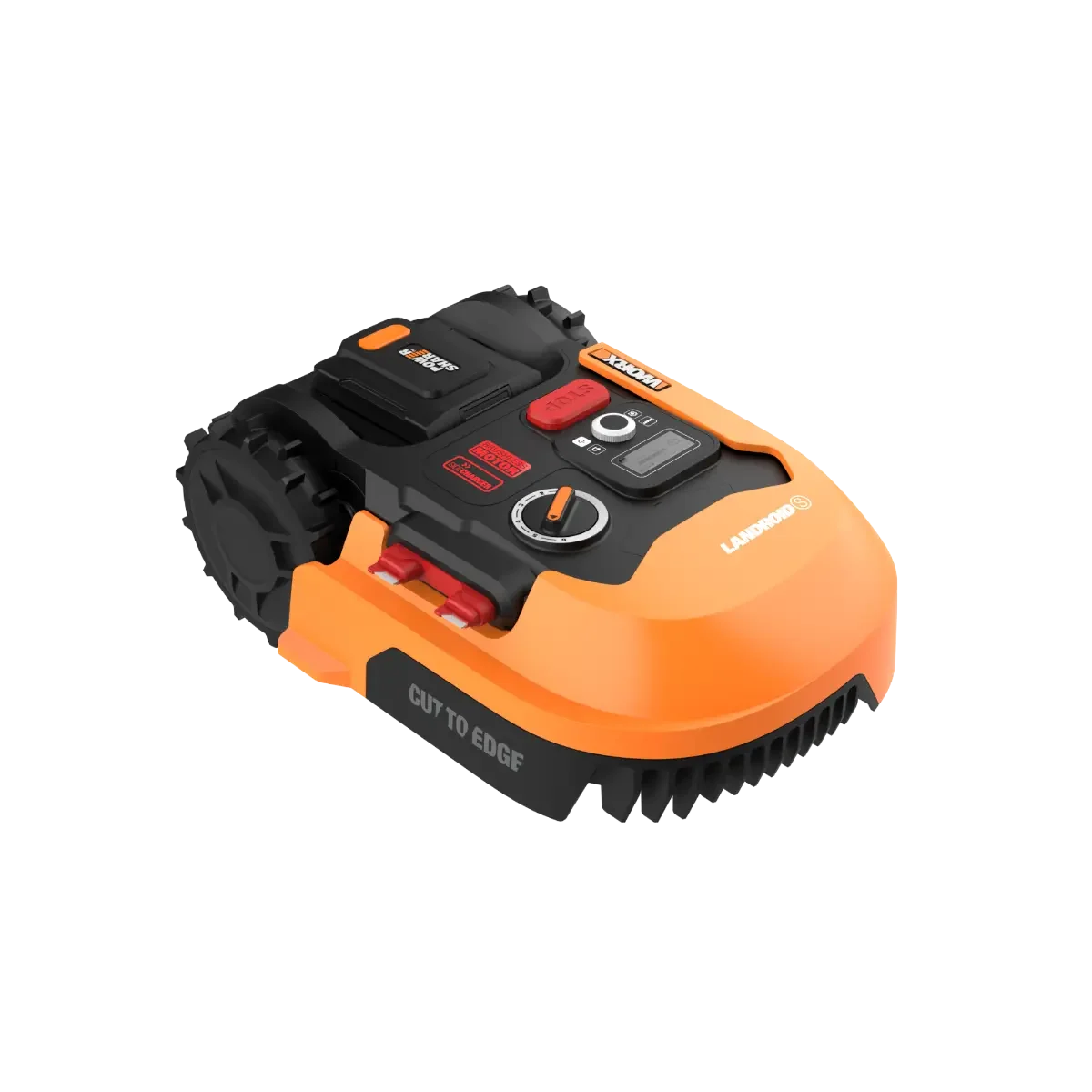
X4 changes the Navimow proposition more substantially than a simple capacity upgrade.
 18Standpoint Score6.3/10Research
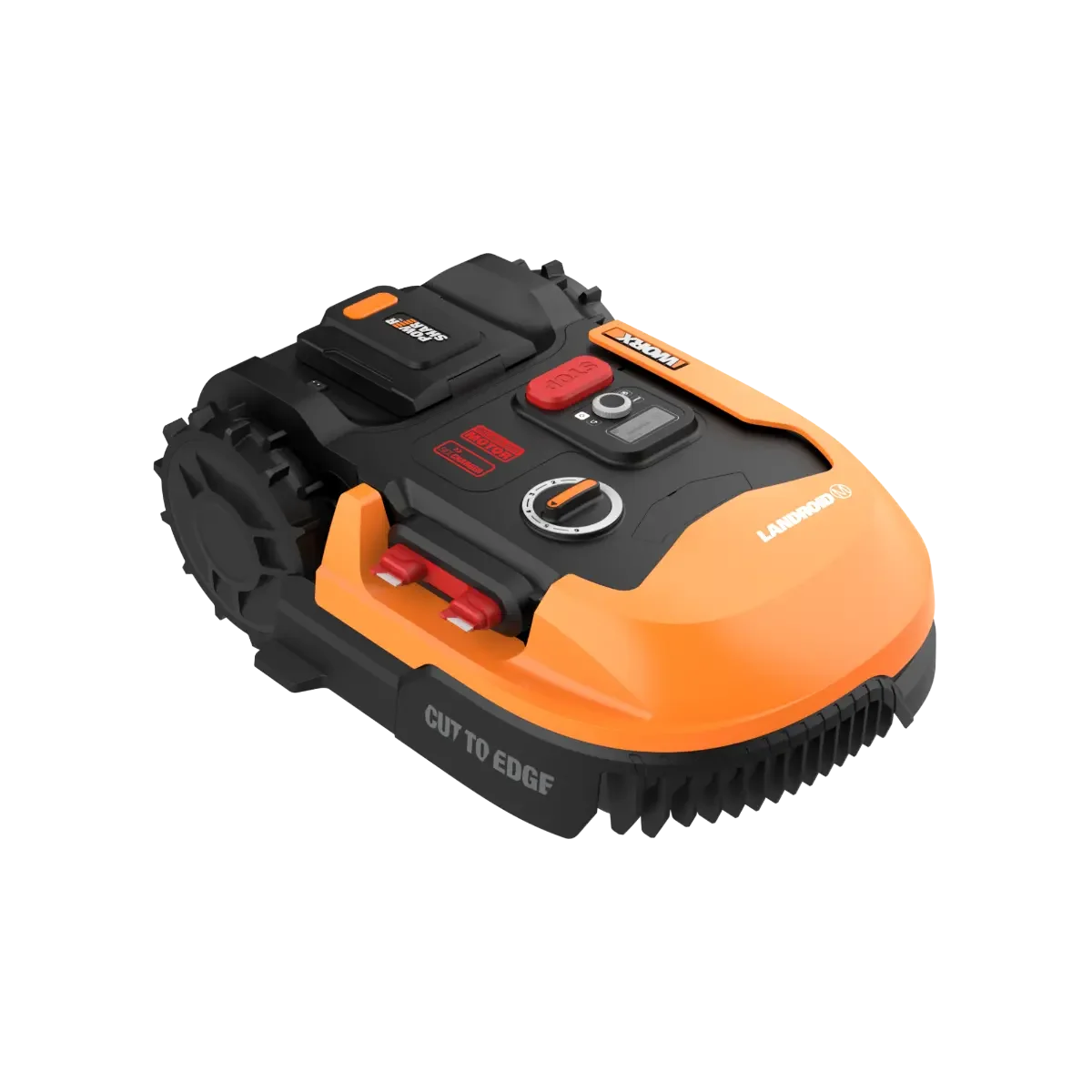
WR165 is the 1/8-acre Landroid S in Worx's model table, with a seven-inch cutting width and a 2.0 Ah battery.
 19Standpoint Score6.5/10Research
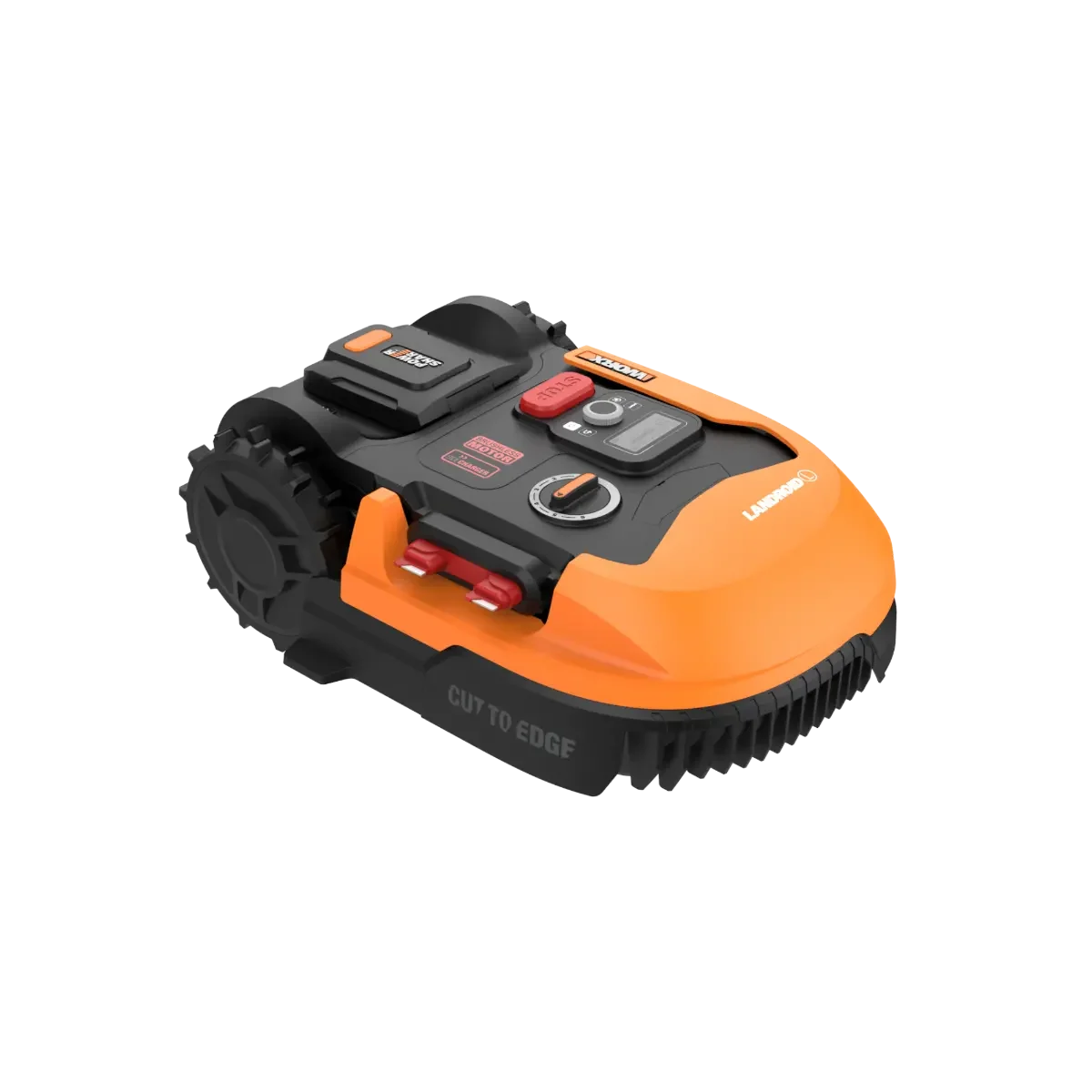
Worx's model comparison identifies WR147 as the quarter-acre Landroid M, with an eight-inch cutting width and a 4.0 Ah battery.
 20Standpoint Score6.8/10Research
The WR155 is the half-acre Landroid L, listed with a 6.0 Ah Power Share battery and an eight-inch cutting width.
 21Standpoint Score7.8/10Research
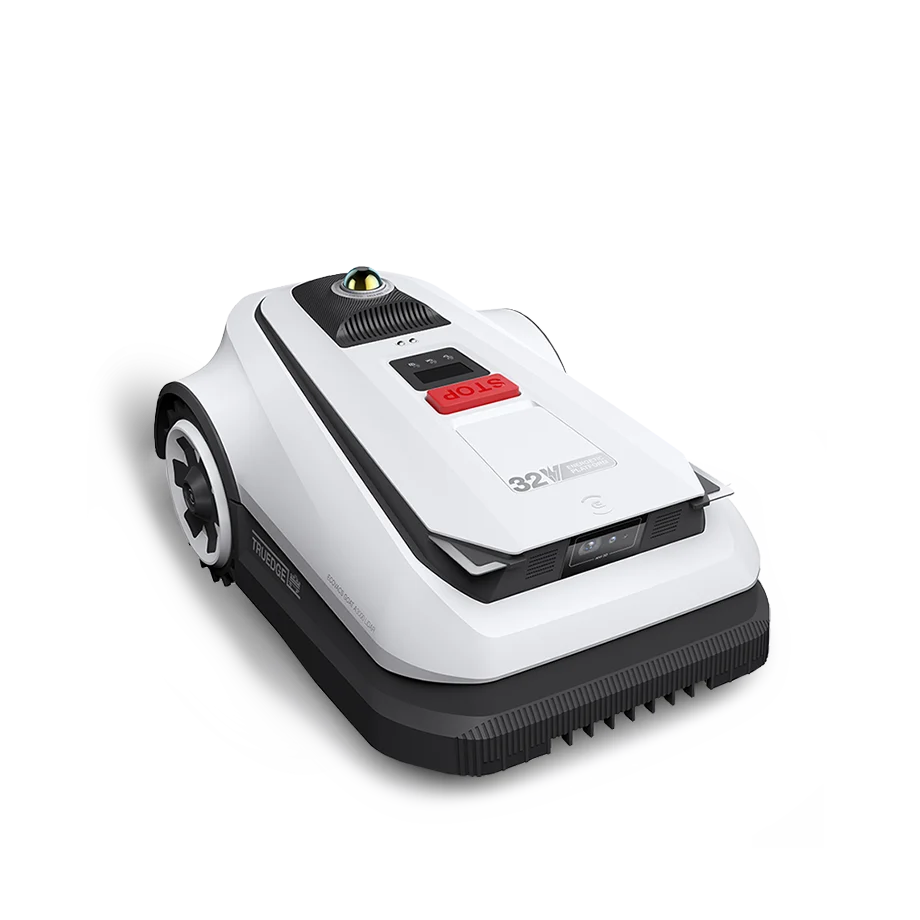
The GOAT A3000 LiDAR reviewed here is the original A3000 LiDAR, not a later LiDAR PRO with different edge hardware.
 22Standpoint Score7.1/10Research
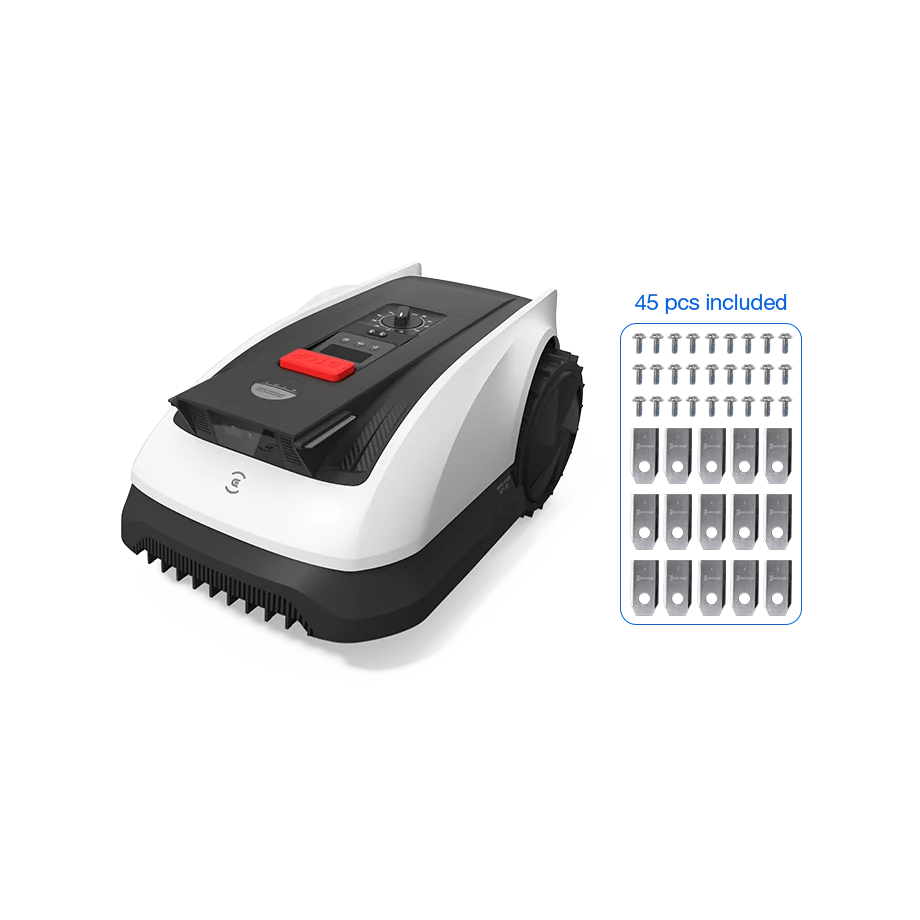
The current US source presents O1000 RTK as a Care Kit including extra blades.
 23Standpoint Score6.7/10Research
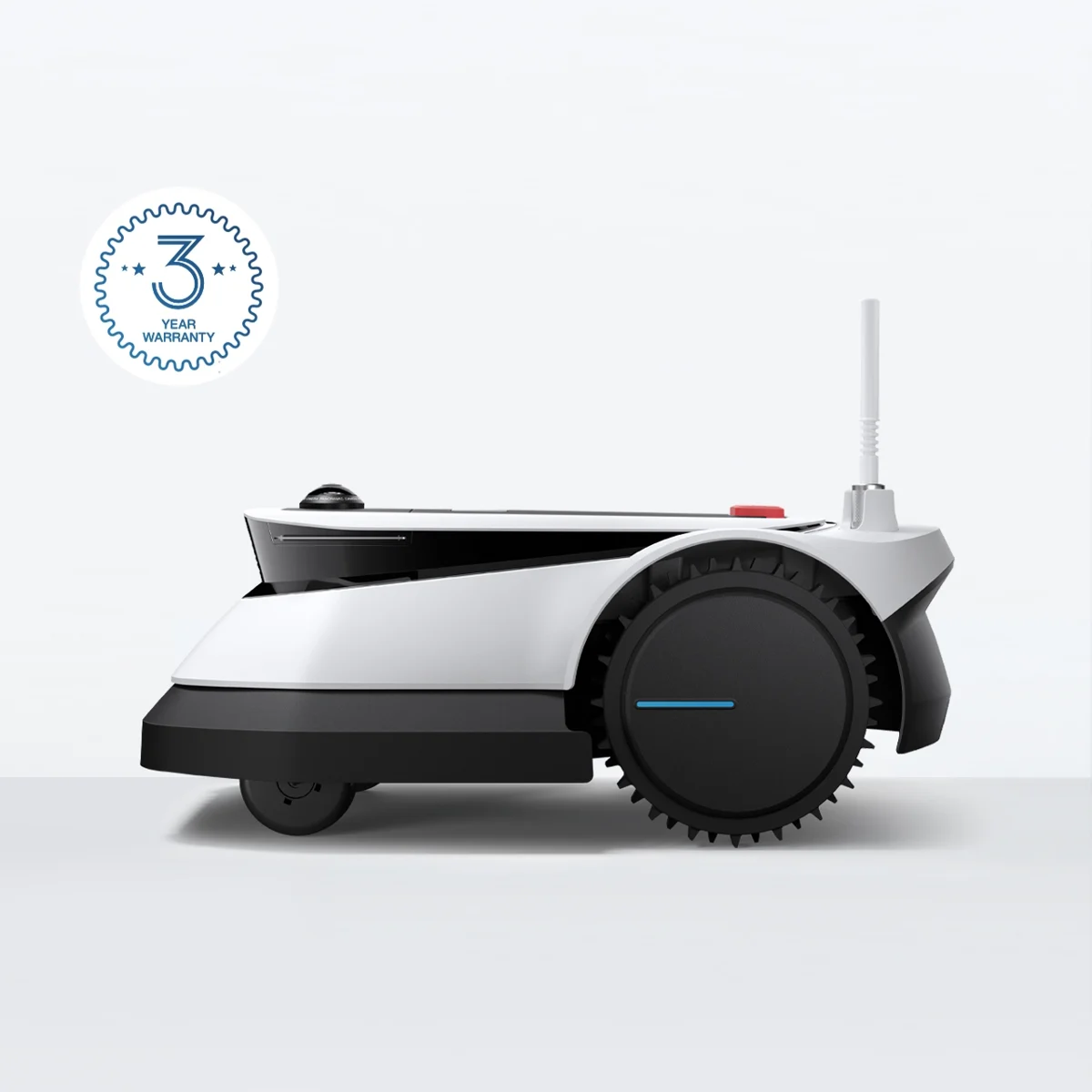
GOAT G1 uses navigation beacons as part of its TrueMapping arrangement.
 24Standpoint Score7.3/10Research
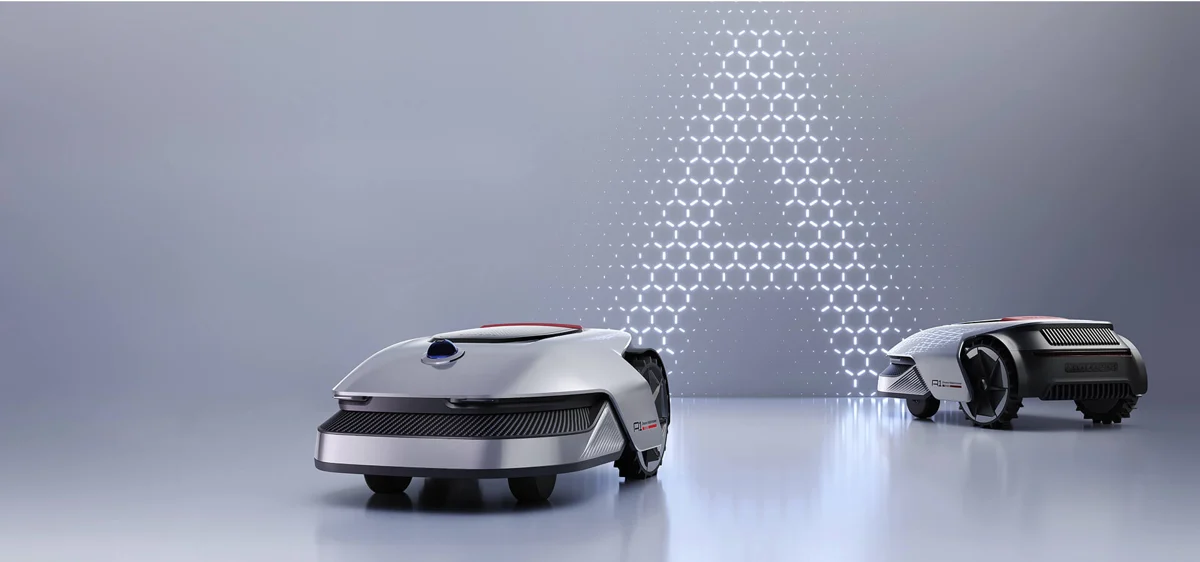
Dreame A1's central appeal is easy to understand: use a three-dimensional LiDAR view of the garden to navigate without a buried wire or RTK reference station.
Try another model, brand or department.