An editorial assessment of documented capabilities and ownership trade-offs. This is not a hands-on test result or a measurement of reliability.
Task capability 30%8.9
Continuously refreshed track, edge extension and broad dry capability create a distinctive task package.
Navigation & control 20%8.5
dToF, dual cameras and structured light provide a sophisticated documented sensing arrangement.
Ownership & upkeep 20%7.7
Extensive dock care is balanced by track, scraper and internal water-path maintenance.
Setup & usability 15%7.1
Dock configurations and a complex wet system require deliberate installation and trials.
Documentation & support clarity 15%8.3
Official page distinguishes dock variants and gives detailed track and water specifications.
Compare scores within the same product category. Small decimal differences should not override your needs or the evidence limits.
How the Standpoint Score works
We score five aspects of the documented product on a 0–10 scale, then calculate a weighted total:
- Task capability30% of the total
- Navigation & control20% of the total
- Ownership & upkeep20% of the total
- Setup & usability15% of the total
- Documentation & support clarity15% of the total
This product’s 8.2/10 is a provisional research assessment. It does not claim measured performance, tested reliability or a verified customer satisfaction rate. Compare it with products in the same category, and read each criterion’s reasoning above.
Read the full rubric and score bands ↗The ownership case.
The track-mop design is compelling for repeated wet cleaning, but its benefit needs to be measured against water-path care and real carpet transitions.
Reasons to consider it
- Mop refreshes during the floor pass
- Extending track for edge reach
- Conventional base dust collection and extensive wet care
Go in knowing
- More internal wet components to inspect
- Basic and refill/drain docks are distinct configurations
- Camera and voice features need considered setup
The specification sheet.
Published specifications from the linked sources. Configurations and availability can differ by country.
- Advertised suction
- 22,000 Pa
- Mop
- FlowWash self-cleaning rolling track
- Mop water
- 113°F / 45°C manufacturer claim
- Advertised body height
- 95 mm
- Navigation
- dToF LiDAR, dual RGB cameras and structured light
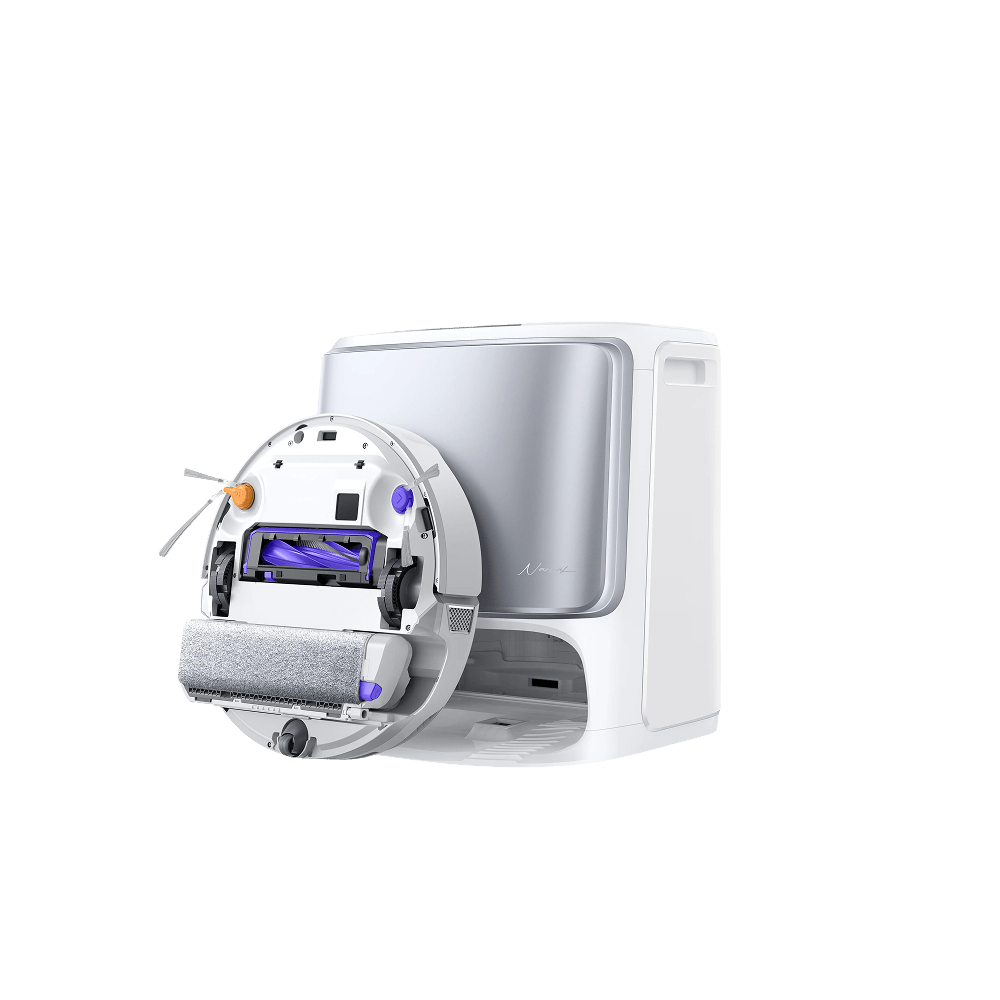
A moving belt changes the cleaning proposition
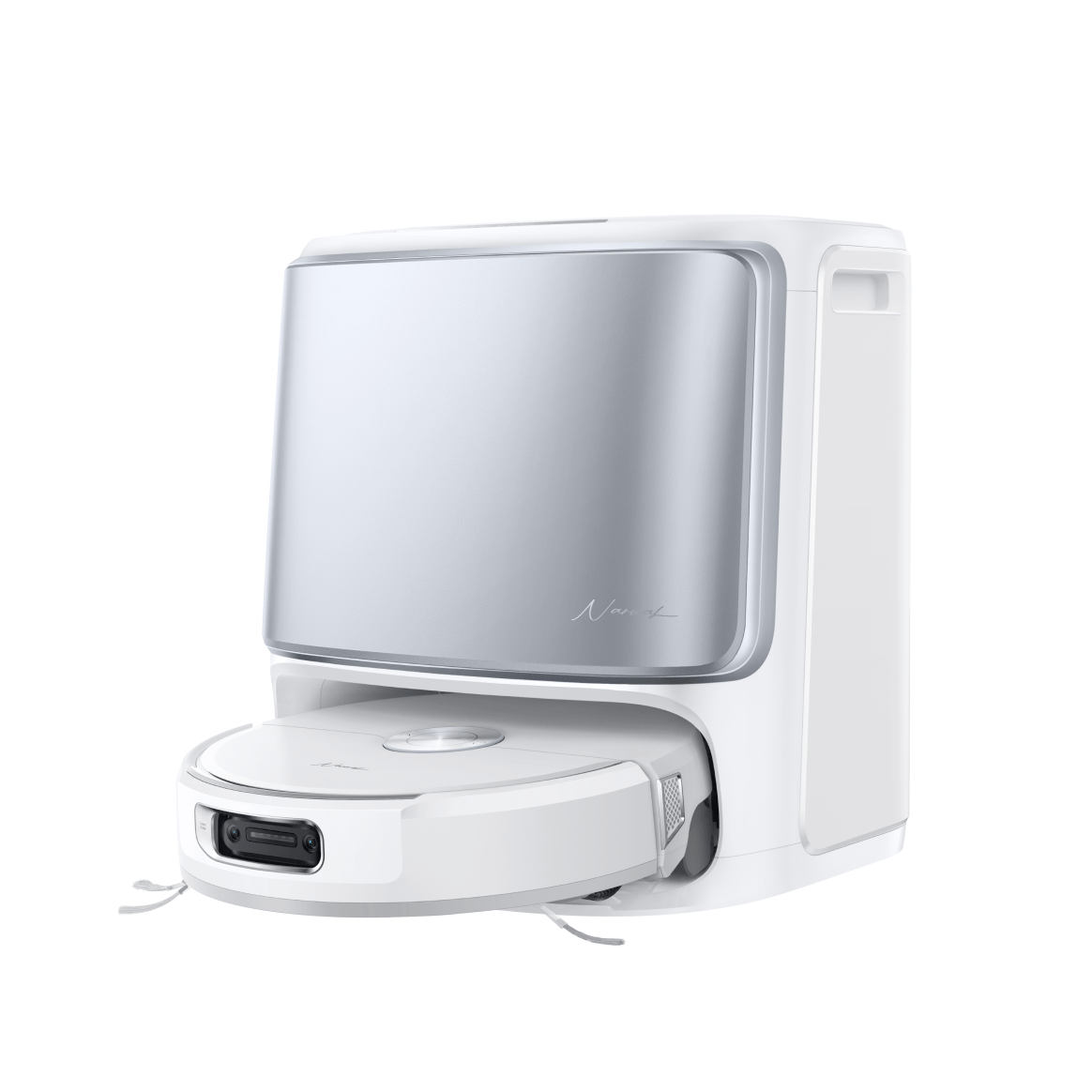
Narwal Flow's defining component is the FlowWash rolling track. The cleaning surface is refreshed while the machine moves, using water and a scraper to carry away residue. That differs from a pair of pads that collect dirt until the robot returns to wash them. The concept is particularly relevant to kitchens and dining areas where repeated contact with a dirty textile can leave streaks. It also moves some of the cleaning burden inside the robot, where removed dirt and water need a clear route. The right assessment should therefore consider both the floor result and the time required to keep that internal system clean.
Warm water and pressure need precise interpretation
Narwal advertises warm-water track cleaning at 113°F and a pressure range associated with the mop. Those specifications describe the intended wet-cleaning mechanism, not a guarantee that the entire floor reaches a particular temperature or is disinfected. Floor finish and permissible moisture remain decisive. A buyer with engineered timber should be more interested in water control and the dry result than in a headline about heat. For tile, inspect grout and dried food marks separately. A continuously cleaned track may improve consistency, but one impressive spill demonstration does not establish performance on every stain or permission to collect any liquid encountered in the home.
Edge extension and clearance solve different problems
The track can extend toward boundaries, while the advertised 95 mm body height affects access under furniture. Both can improve usable coverage, but neither cancels the round body's physical limitations. A tight chair cluster may prevent the robot aligning the track properly, and a cross brace can block entry beneath a sofa despite an apparently tall opening. Measure and test the actual route. We would inspect the strip along cabinets, the area around table feet and the dust beneath low furniture independently. A broad claim of complete coverage conceals those distinct tasks, each of which can fail for a different geometric reason.
The cameras add capability and choices
Flow combines dToF navigation, dual RGB cameras and structured-light sensing. Narwal also lists optional connected features including remote video and voice functions. The camera architecture is intended to help with obstacle understanding, but it should not be treated as a reason to leave thin cables or unsafe material on the floor. Test harmless household objects and inspect both collisions and the uncleaned space left around avoided items. Decide which remote features are actually useful before enabling them. Navigation assistance and home monitoring are different needs, and a buyer can value one without wanting the other running by default.
The dock configuration matters
The official page offers a basic dock and a separate refill-and-drainage configuration. That changes installation and ownership substantially. The basic arrangement requires tank handling; a plumbed installation needs appropriate access, compatible connections and a safe service plan. Neither should be selected on appearance alone. Consider where the dirty-water route ends, how the track system is inspected and what happens if a drain path becomes blocked. Automatic washing and drying are worthwhile, but the owner remains responsible for noticing residue and maintaining supplies. The most successful location is one where those checks are easy enough to perform routinely without shifting furniture or disconnecting the entire setup.
Compare architectures before choosing a winner
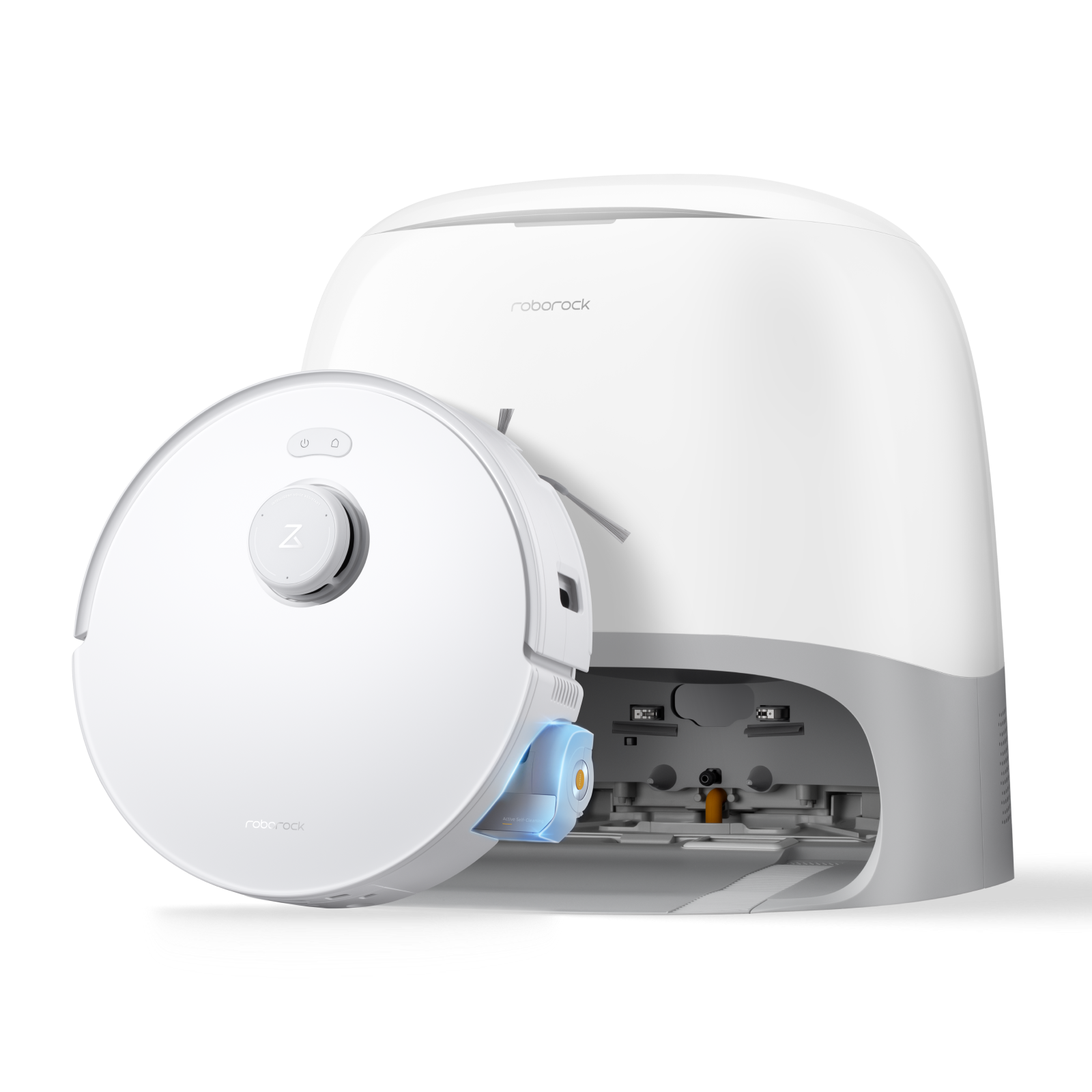
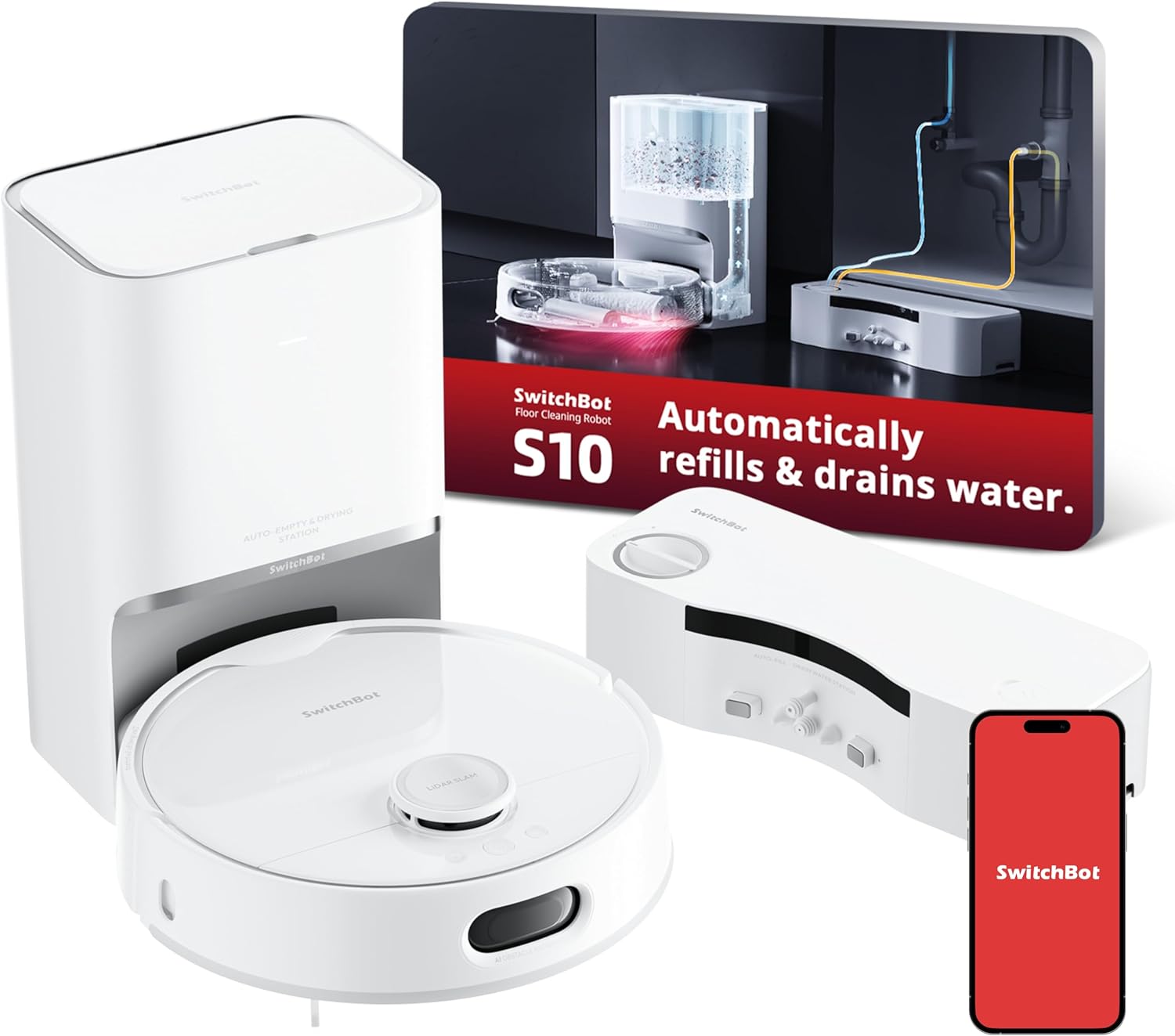
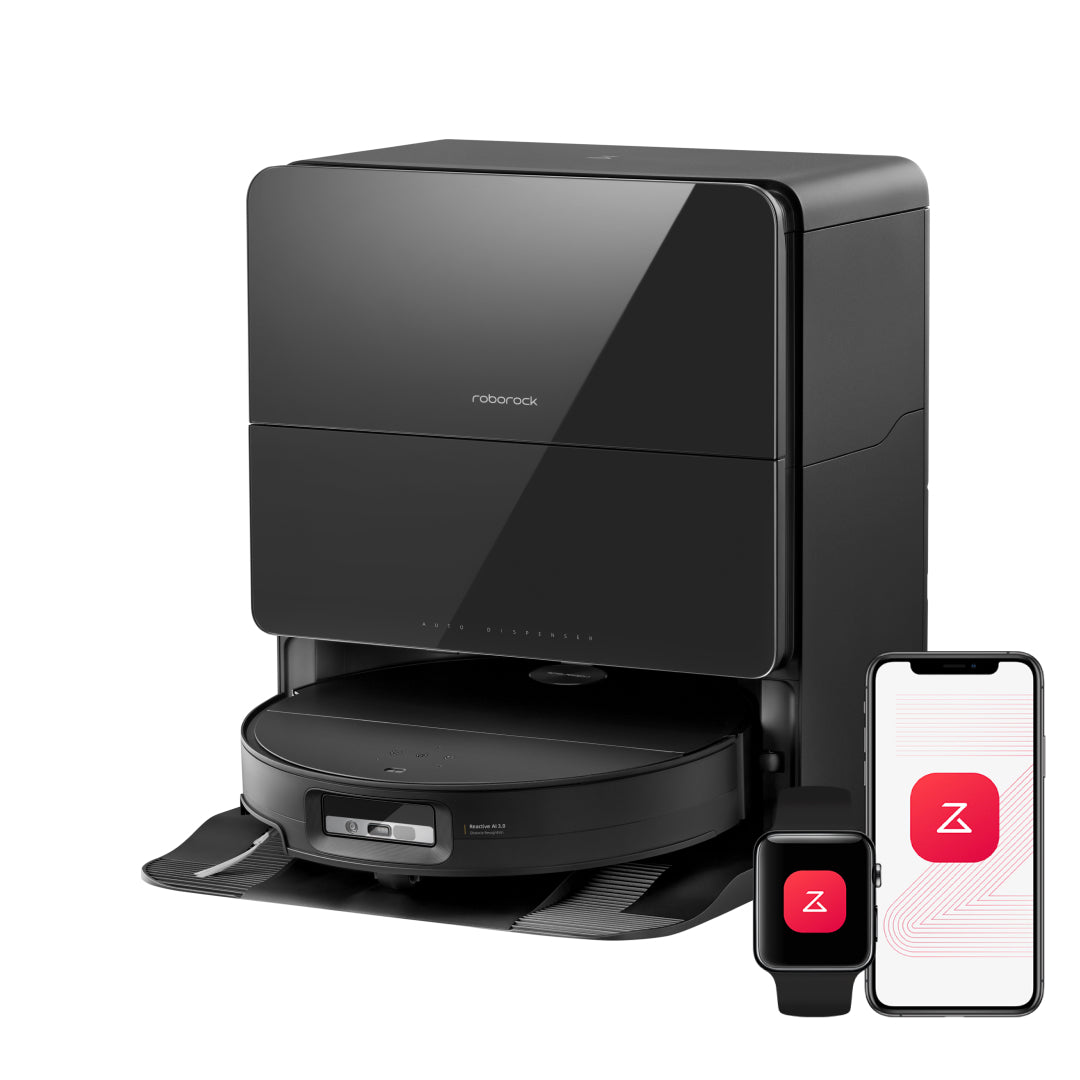
Roborock Qrevo Curv 2 Flow and SwitchBot S10 offer useful comparisons because both also emphasise continuously refreshed wet cleaning, although their stations and installation differ. Freo X10 Pro provides a more conventional spinning-pad alternative within Narwal. We have not measured Flow's stain removal, carpet extraction or water use against them. A proper trial would document residue after drying, track-cleaning effort, successful rug transitions and intervention frequency over time. The documented design is an interesting answer to dirty-mop reuse. It becomes a persuasive purchase when a hard-floor-heavy household gains visibly better routine results without replacing manual floor washing with an equally onerous internal cleaning ritual.
Following dirt through the track system
Flow's initial ownership checks should follow the path from floor to track, scraper, dirty-water collection and dock. Inspect only the parts the manual permits the owner to access, and learn which residues are normal after a task. Hair mixed with damp kitchen debris can behave differently from dry dust, so a floor that looks clean does not prove the internal wet path needs no attention. Use ordinary household cleaning conditions rather than deliberately introducing unsuitable spill materials. Note the time required to restore the system after a busy kitchen day. Continuous refresh is valuable if it keeps the contact surface cleaner while reducing overall effort; it is less valuable if the owner has to perform an unexpectedly elaborate internal cleanup after every modest task.
Choose the dock configuration before planning the room. A basic tank station needs convenient carrying access, while the separate refill-and-drain package needs compatible connections and a sensible service route. The two should not be treated as interchangeable on a retailer's feature table. Ask how water is shut off or the system disconnected for maintenance, and follow the manufacturer's installation guidance. For a tank model, rehearse removal under any proposed shelving. Inspect carpet transitions with the track wet and confirm that the selected strategy protects each rug. The 95 mm body height also deserves measurement beneath the furniture that needs cleaning. A track system that cannot reach the dustiest sofa area or must constantly be carried across a threshold may not supply the whole-home convenience its broad feature set suggests.
Flow's dual cameras, optional video functions and voice features introduce a larger connected-home decision than basic scheduling. Establish the cleaning map first, then enable only the remote functions the household actually wants. Review who can access the account and any live view, and consult the regional data and update information rather than relying on a general intelligent-navigation claim. Canadian buyers should verify availability of the track, scraper-related service parts and regional dock support before importing a US package. These components are more specific than ordinary circular mop pads. A meaningful comparison with Curv 2 Flow or S10 should include replacement supply, water handling and internal care as well as dry-floor results. The track architecture is the reason to investigate Flow, while serviceability determines whether that architectural interest remains useful after the first few months.
Sources & further reading.
These are the sources behind this research review. Manufacturer claims are not independent performance measurements. Community accounts, when cited, describe individual experiences.
Documentation reviewed: 9 October 2026. Product software and regional bundles can change. Corrections and editorial disclosures.