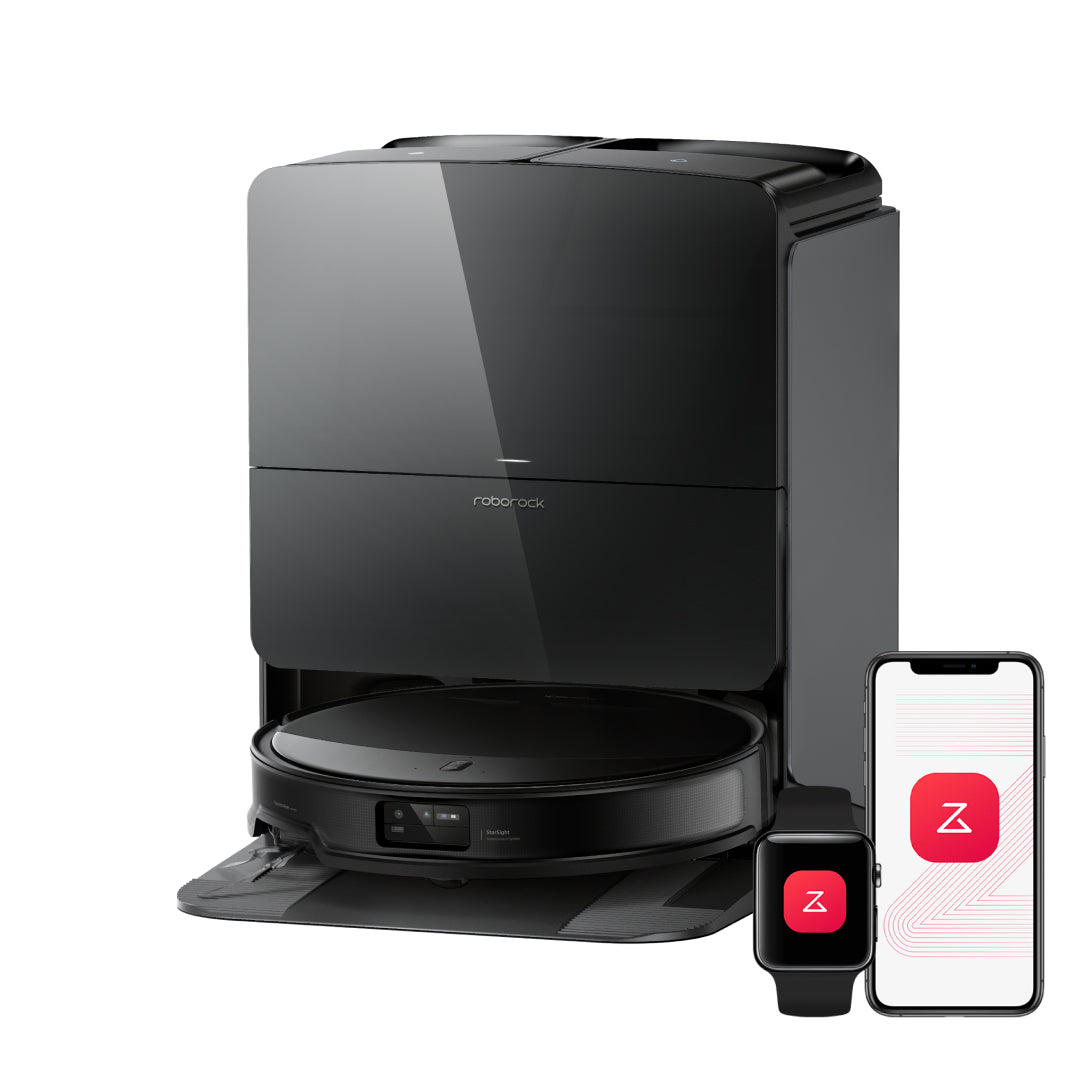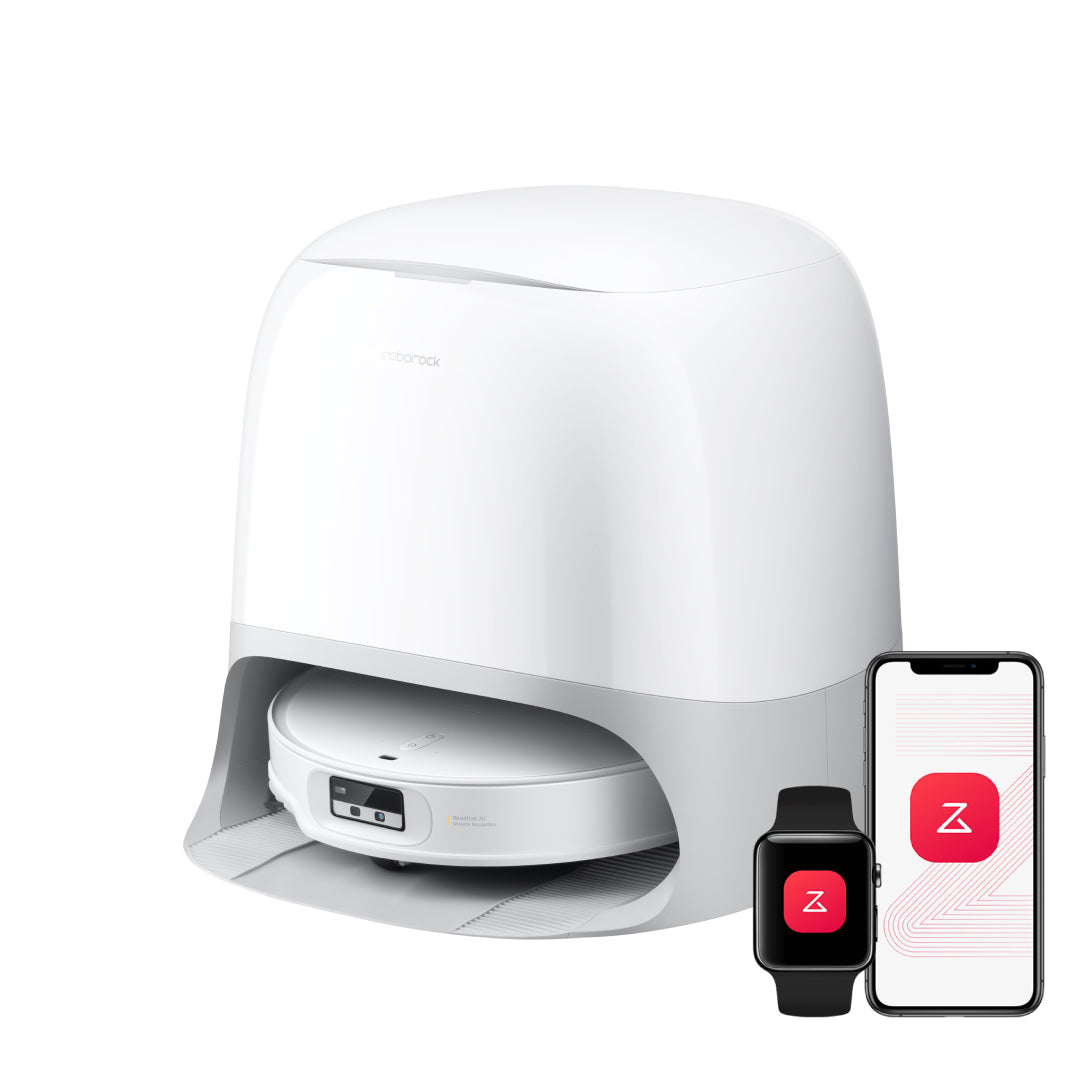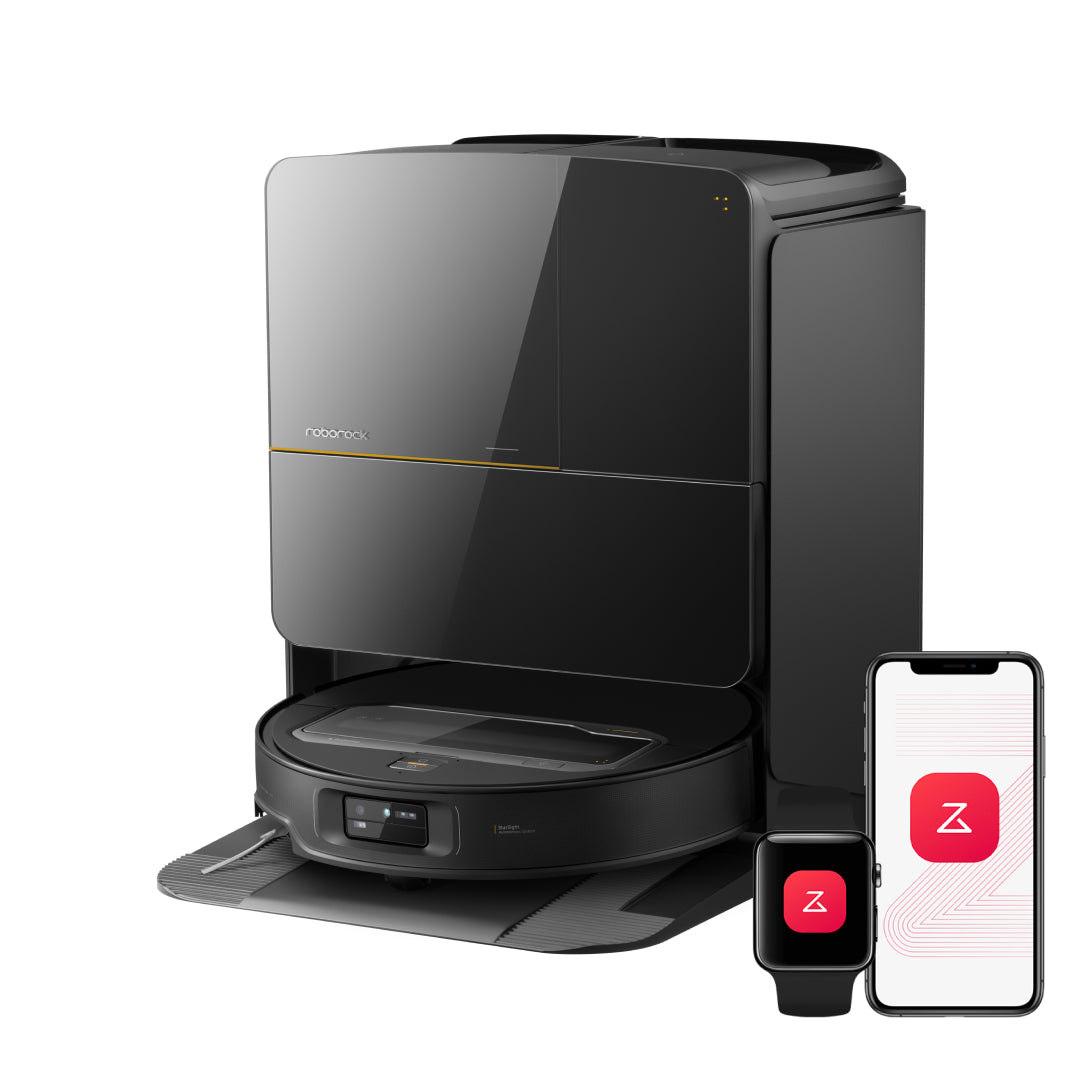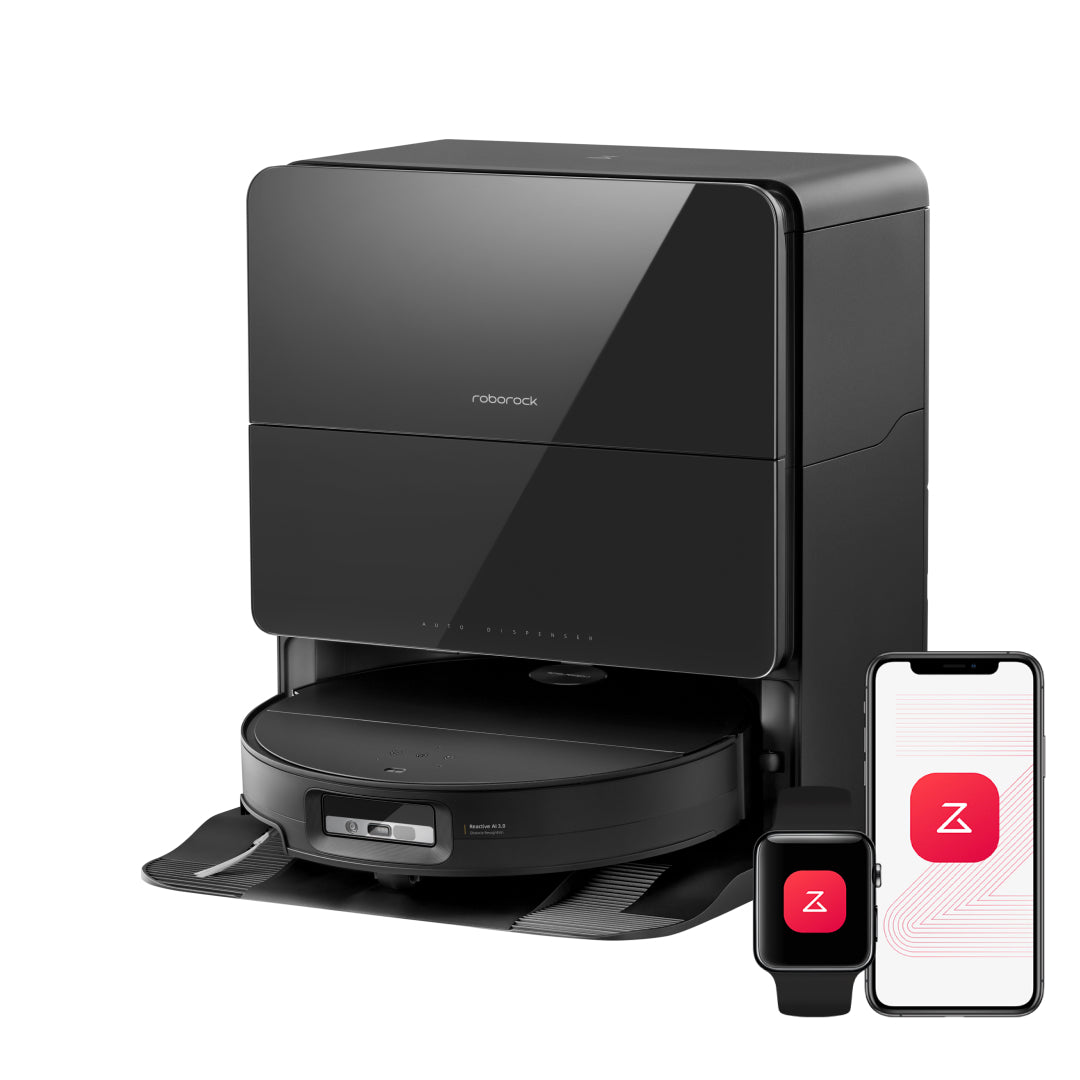
An editorial assessment of documented capabilities and ownership trade-offs. This is not a hands-on test result or a measurement of reliability.
Task capability 30%8.9
Detachable sonic mop, extending tools and low access cover a broad mixed-floor brief.
Navigation & control 20%8.6
RetractSense and camera recognition provide several navigation layers, with clearance-dependent limits.
Ownership & upkeep 20%8.4
Extensive dock care reduces pad work; tanks and moving mechanisms still need attention.
Setup & usability 15%7.5
Retracting sensor, carpet rules and a large dock require deliberate commissioning.
Documentation & support clarity 15%8.0
Official architecture is described clearly; some dimensions and broad claims need careful reading.
Compare scores within the same product category. Small decimal differences should not override your needs or the evidence limits.
How the Standpoint Score works
We score five aspects of the documented product on a 0–10 scale, then calculate a weighted total:
- Task capability30% of the total
- Navigation & control20% of the total
- Ownership & upkeep20% of the total
- Setup & usability15% of the total
- Documentation & support clarity15% of the total
This product’s 8.4/10 is a provisional research assessment. It does not claim measured performance, tested reliability or a verified customer satisfaction rate. Compare it with products in the same category, and read each criterion’s reasoning above.
Read the full rubric and score bands ↗The ownership case.
A compelling premium design when furniture clearance matters; the retractable sensor and sonic mop are more meaningful reasons to choose it than a suction headline.
Reasons to consider it
- Low profile with a retractable sensor
- Vibrating mop architecture
- Automatic dock care and detachable mop system
Go in knowing
- Clearance still needs measuring
- Camera and voice settings deserve review
- Complex lift mechanisms add service questions
The specification sheet.
Published specifications from the linked sources. Configurations and availability can differ by country.
- Navigation
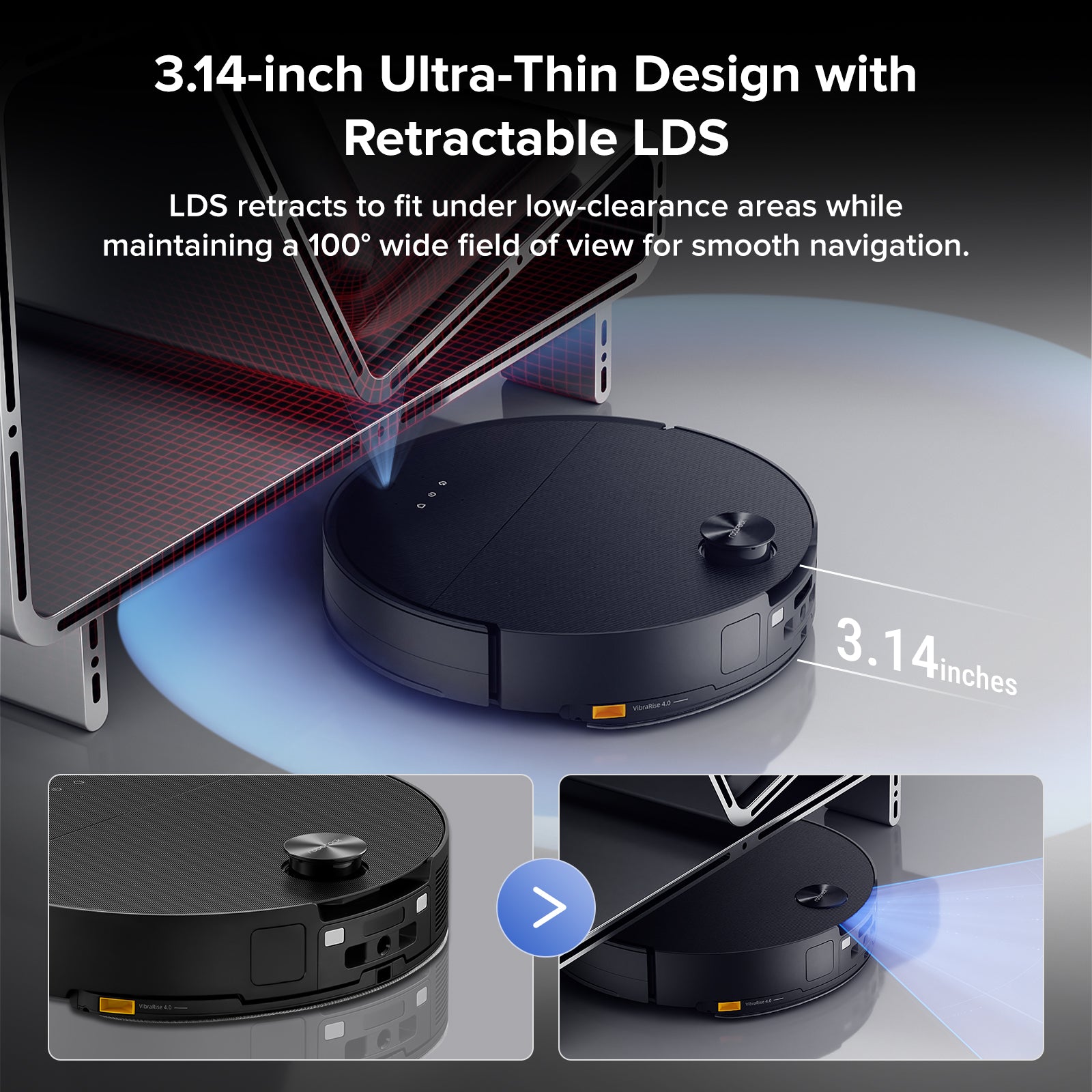
- RetractSense retractable LDS; Reactive AI 3.0
- Minimum advertised height
- 7.98 cm / 3.14 in
- Mopping
- VibraRise 4.0
- Dock
- RockDock Ultra 2.0
- Brush
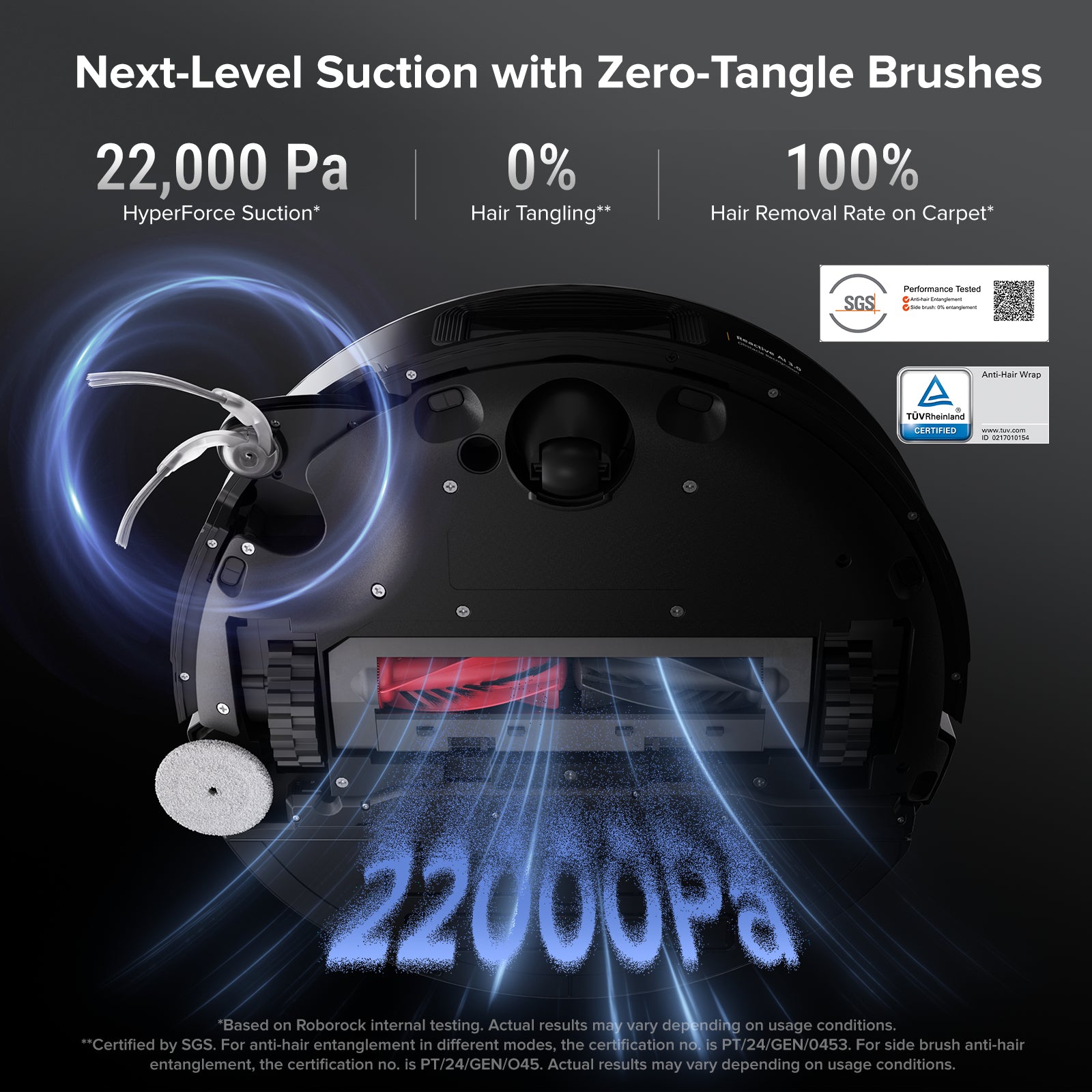
- DuoDivide anti-tangle design
The reason this model exists
The Saros 10 is interesting because it attacks a physical limitation that software cannot wish away: the space underneath furniture. Roborock specifies a 7.98 cm body when its navigation tower retracts. That could turn the dusty area under a low cabinet into an accessible cleaning zone, but the number is only the start of the assessment. The narrowest point might be a cross brace, a sagging sofa lining or a rug beneath the cabinet. Measure a complete route in and out. The useful outcome is repeatable access with the room furnished normally, not a single successful entry through a carefully prepared gap.
Sonic mopping gives it a distinct identity
VibraRise 4.0 is the principal reason to compare the Saros 10 with the similarly named 10R instead of treating them as cosmetic variants. This model uses a vibrating mop arrangement; the 10R uses rotating pads. Those architectures distribute contact and carry dirt differently, so a fair comparison needs the same stain, floor and water setting. The ability to detach the mop assembly also matters in a carpet-heavy plan: leaving wet material at the dock is a different solution from lifting it above a rug. Neither mechanism establishes that every delicate rug is safe to cross. Test transitions before allowing a combined routine to run unattended.
Brush design and pickup expectations
The DuoDivide design channels hair toward the central intake instead of leaving the owner to unwind one long roller. That is a sensible response to long hair, but anti-tangle should describe a maintenance advantage rather than a promise to ignore the underside. The side brush, wheel axles and intake can still encounter string or compressed debris. For a shedding household, the important question is whether hair reaches the collecting bag and the brush remains serviceable after repeated runs. For carpet, we would judge extracted debris and remaining embedded hair, not assume the newest motor specification settles the result. Hard-floor crumbs and fine rug dust are different workloads.
The dock determines the daily experience
RockDock Ultra 2.0 handles much of the repetitive aftercare, and Roborock advertises fast charging as part of the package. The practical benefit depends on the route back to it and the owner's access to the tanks. A dock hidden beautifully inside furniture can be awkward when a full wastewater container must be lifted out. Leave working room above and around it, check the actual manual's placement requirements, and keep the path across the dock ramp level. Wash, dry and empty cycles also extend the household noise beyond the minutes the robot spends moving. Plan the entire cycle around meetings and bedrooms, not just the initial start time.
The buying decision and the evidence still missing
Choose the Saros 10 when its combination of low clearance, detachable sonic mop and extensive dock care solves an actual layout problem. Compare the Saros 10R if rotating pads and its alternative navigation system suit your priorities, and the Qrevo CurvX if you want another retractable-sensor design to price against it. A hands-on verdict would need repeated low-furniture escapes, wet-to-carpet transitions, stain removal and several weeks of brush inspections. We have not performed those tests. On documented design, the Saros 10 is thoughtfully equipped; paying its premium only makes sense when those specific mechanisms reduce work in the rooms you actually own.
Planning a home around the retractable sensor
A sensible Saros 10 installation starts with a clearance map. Mark the sofa, bed and lowest cabinet on a sketch and note the narrowest entrance and exit for each. Include the thickness of any rug on the approach. This is worth doing before the first mapping run because a marginal gap can create a rescue that the app's room boundaries will not explain. Do not use the advertised minimum height as the exact gap to aim for; leave practical clearance for uneven flooring and fabric. During the return period, run those areas on different days with normal furniture positions. If low access was the reason for paying more, repeated entry, useful coverage and unaided exit should be the acceptance criteria. Photograph the result under the furniture as well as the route on the phone.
The combination of a vibrating main mop and a separate edge-cleaning arrangement means consumables should be ordered by the complete model name. A generic Saros accessory listing is not enough: Saros 10R uses a different wet-cleaning architecture. Check pad mounts and brush compatibility against the supplier's actual list, and keep the supplied part numbers with the invoice. Inspect the area around the retracting sensor for dust according to the care instructions without forcing the mechanism. The owner is maintaining a navigation component as well as a cleaning head. If an access fault appears, record whether the sensor retracts, whether the robot stops before entering and whether a particular floor transition causes it. Those observations are more useful to support than repeatedly remapping the entire home without identifying the physical trigger.
Saros 10's connected features should be configured around the cleaning job first. Give rooms clear names, establish rug boundaries and test a physical start or return command before adding optional remote viewing or voice integrations. A camera-assisted cleaner introduces decisions about who can access its view and map, so review sharing and account protection explicitly. Canadian buyers should also confirm that the serial number, dock and seller are eligible for Canadian service; the US source establishes this review's hardware description, not cross-border warranty coverage. Ask how the retractable navigation mechanism and dock are repaired if either needs attention. A premium purchase is easier to justify when the seller can explain those practical arrangements and the owner has verified the specific low-furniture route that made the machine attractive.
Sources & further reading.
These are the sources behind this research review. Manufacturer claims are not independent performance measurements. Community accounts, when cited, describe individual experiences.
Documentation reviewed: 9 October 2026. Product software and regional bundles can change. Corrections and editorial disclosures.