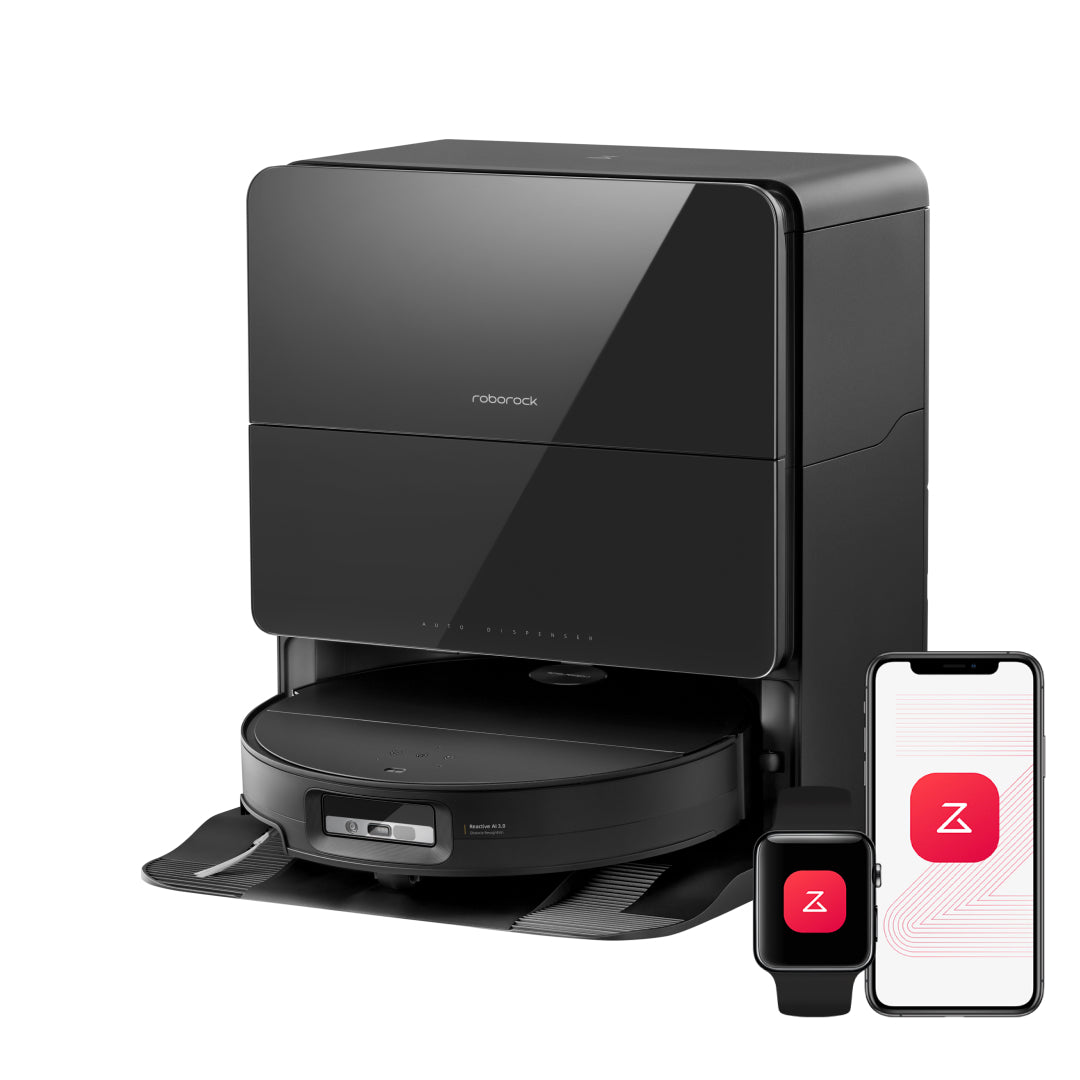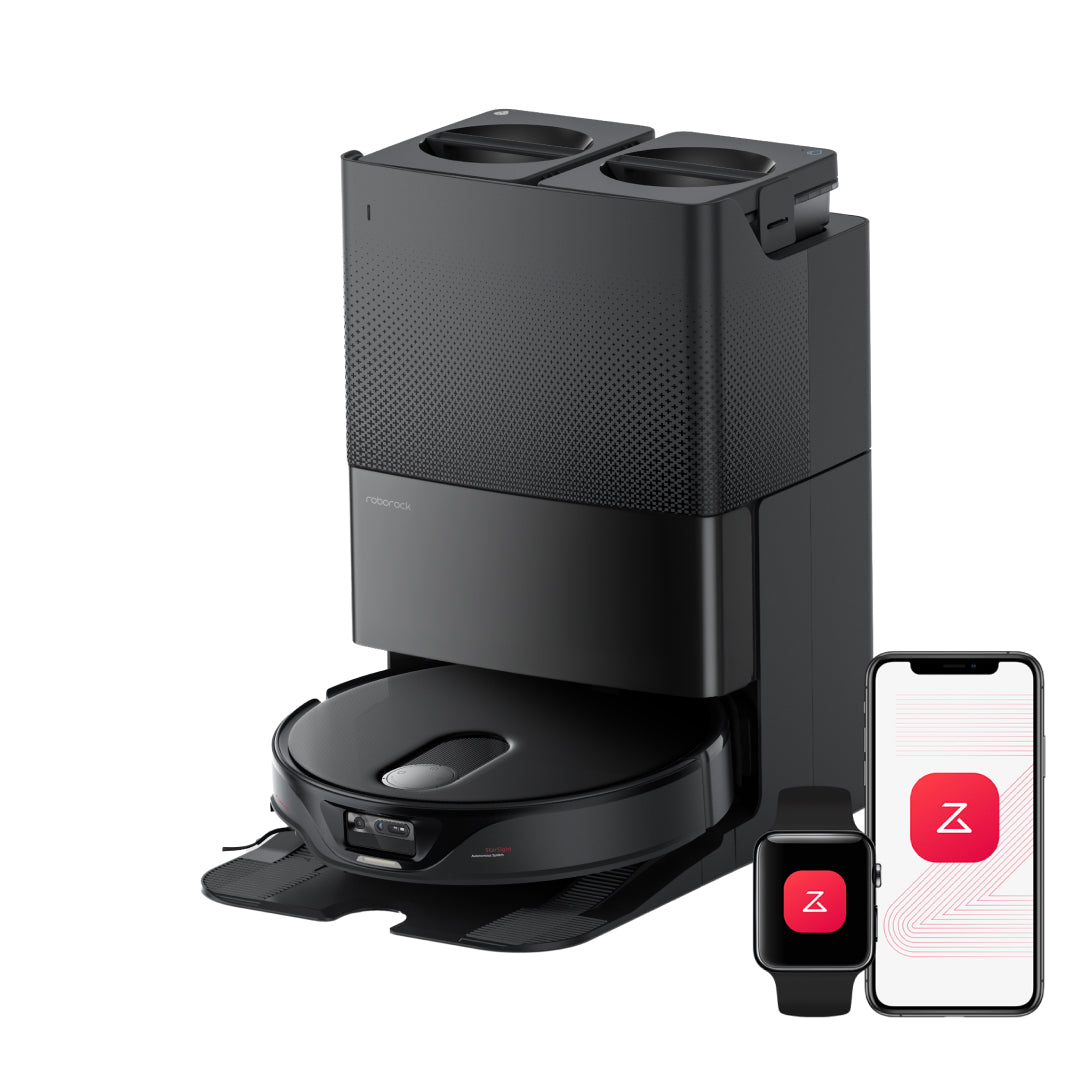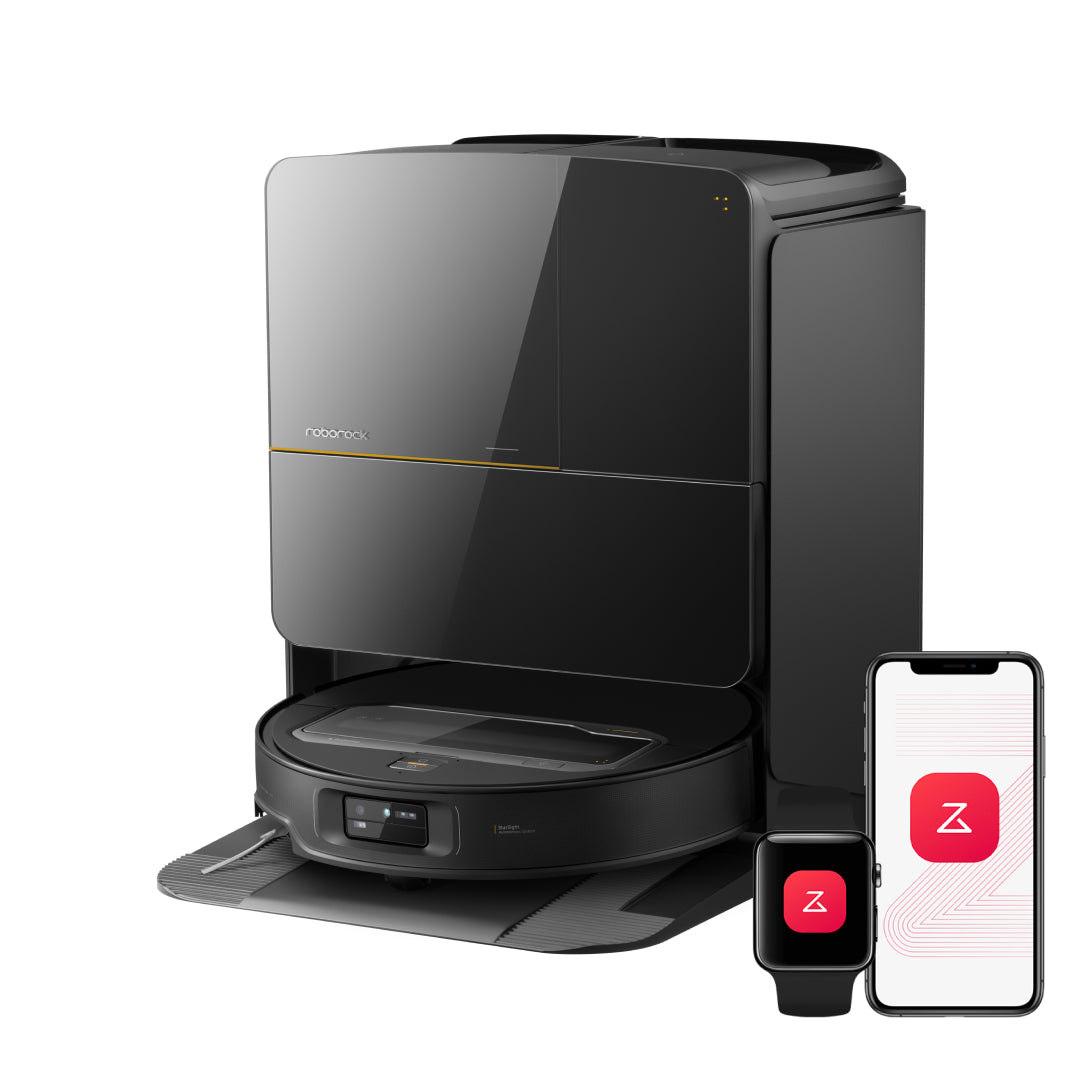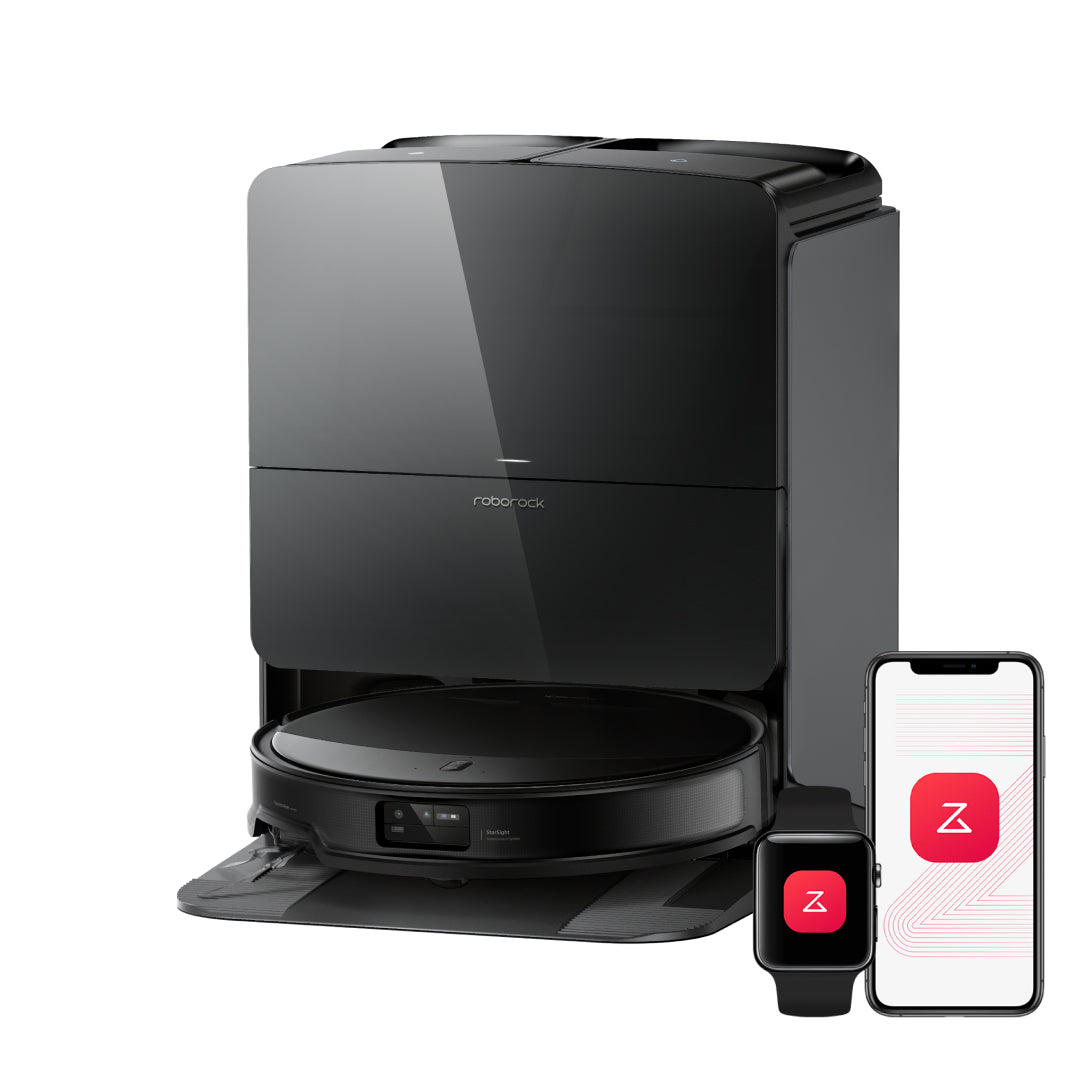
An editorial assessment of documented capabilities and ownership trade-offs. This is not a hands-on test result or a measurement of reliability.
Task capability 30%9.0
Low body, rotating mops, removal and extending tools address several practical floor tasks.
Navigation & control 20%8.8
StarSight and lateral sensing offer a sophisticated documented route-planning system.
Ownership & upkeep 20%8.5
Anti-tangle design and full station care reduce recurring jobs without eliminating water handling.
Setup & usability 15%7.7
Mixed-floor strategies and dock placement require setup, but solve identifiable household needs.
Documentation & support clarity 15%8.0
Model differences are documented; inconsistent page dimensions warrant manual confirmation.
Compare scores within the same product category. Small decimal differences should not override your needs or the evidence limits.
How the Standpoint Score works
We score five aspects of the documented product on a 0–10 scale, then calculate a weighted total:
- Task capability30% of the total
- Navigation & control20% of the total
- Ownership & upkeep20% of the total
- Setup & usability15% of the total
- Documentation & support clarity15% of the total
This product’s 8.5/10 is a provisional research assessment. It does not claim measured performance, tested reliability or a verified customer satisfaction rate. Compare it with products in the same category, and read each criterion’s reasoning above.
Read the full rubric and score bands ↗The ownership case.
The 10R has a persuasive collection of useful mechanisms, provided its camera-based features, dock footprint and real rug transitions suit the household.
Reasons to consider it
- Low body without a conventional raised laser tower
- DuoDivide brush and extending cleaning elements
- Automatic mop removal for suitable cleaning routines
Go in knowing
- Maximum wash temperature is a dock claim
- Navigation still needs a home-specific trial
- Dock and robot require regular inspection
The specification sheet.
Published specifications from the linked sources. Configurations and availability can differ by country.
- Navigation
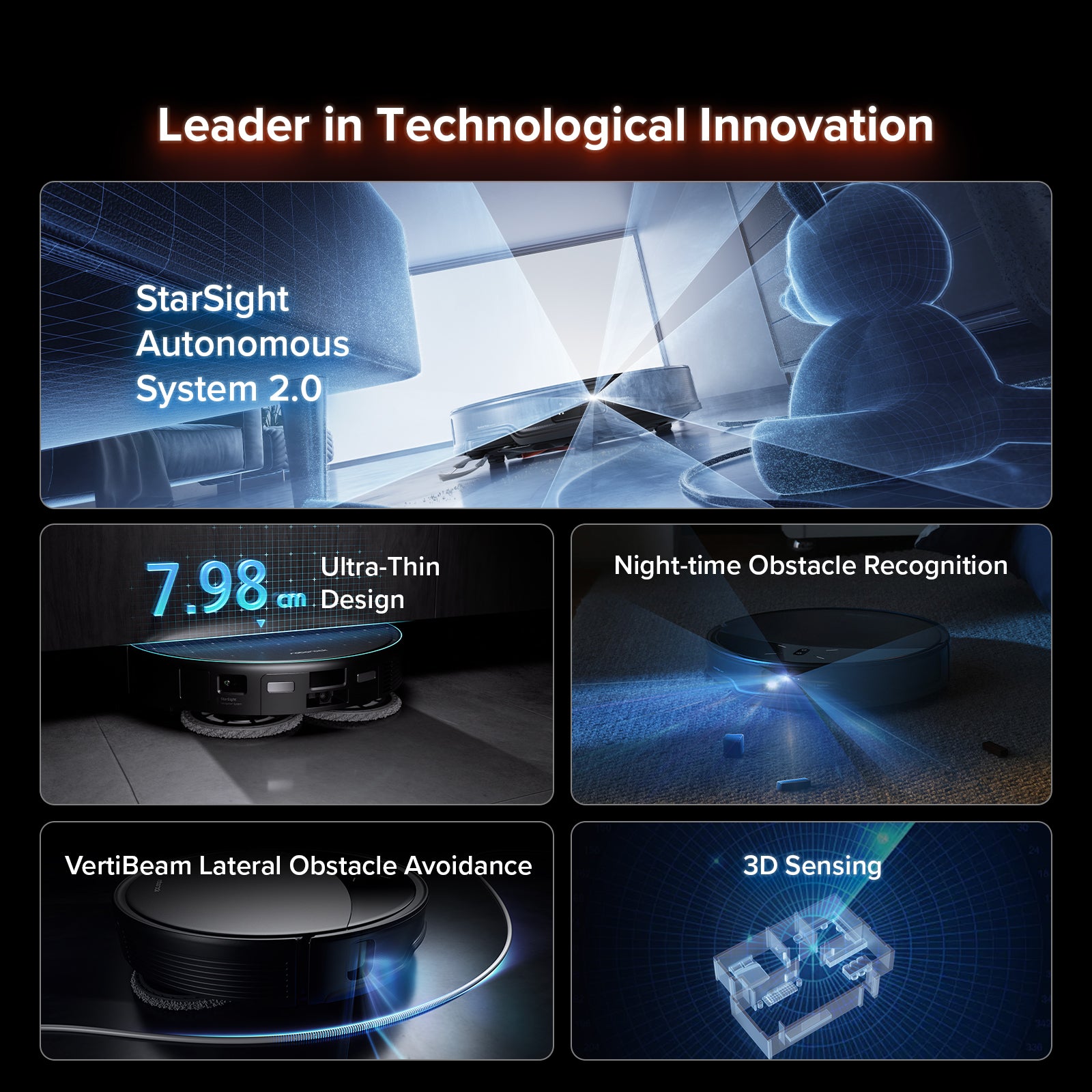
- StarSight Autonomous System 2.0
- Advertised height
- 7.98 cm / 3.14 in
- Mop lift
- 17 mm, manufacturer specification
- Mopping
- Dual rotating pads with automatic removal
- Dock wash
- Up to 80°C at the dock
A flagship built around reach
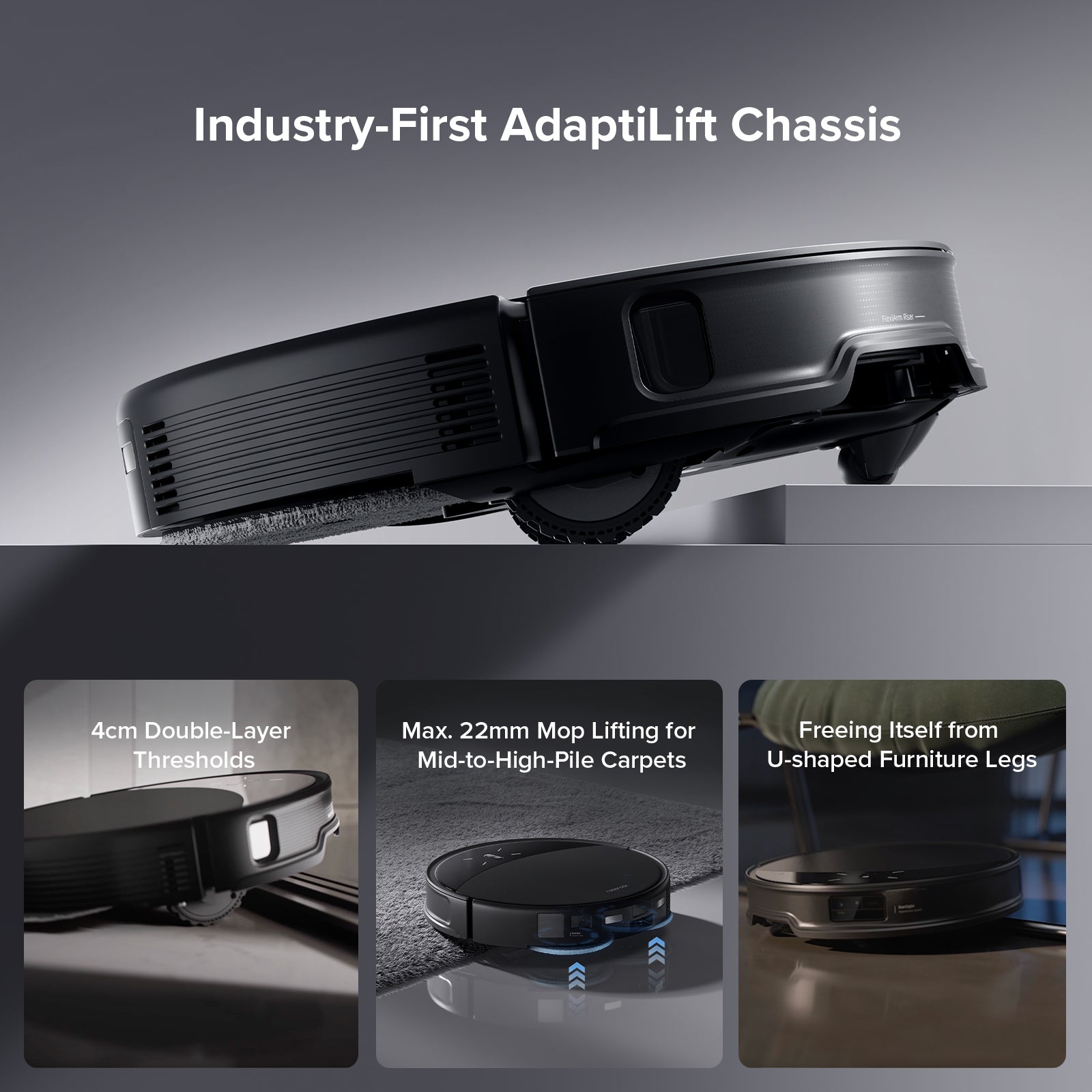
The Saros 10R's strongest argument is the way its parts work toward access. Roborock combines a low body, liftable cleaning elements and a lifting chassis so the robot can deal with more of a furnished floor without repeated human rescue. The absence of a traditional raised navigation turret is particularly relevant under beds and sofas. That does not mean any gap slightly taller than the quoted body height is usable: upholstery can droop and floor transitions can tilt the machine. The buyer should identify the actual inaccessible zones first. If every piece of furniture already has generous clearance, much of this design's special value becomes less important.
StarSight is the substantial distinction
StarSight Autonomous System 2.0 uses a different sensing arrangement from the retractable LDS design on the Saros 10. Roborock also lists lateral obstacle sensing and an RGB camera. The question for a buyer is not whether one acronym sounds newer, but whether the robot maintains a useful route in difficult spaces. Narrow chair gaps, furniture legs against mirrors and low objects beside walls are more revealing than an empty-room mapping run. Additional sensing may reduce intervention, but no source specification demonstrates perfect recognition in every lighting condition. Treat object avoidance as assistance and continue to remove cables, small valuables and anything with a trailing strap.
Rotating pads and a sensible carpet escape route
The 10R uses two rotating mops and advertises a 17 mm lift, together with automatic mop removal at the dock. These are separate capabilities. Lifting is convenient when moving across a suitable low rug during a mixed task; removing the pads is the more decisive separation for vacuum-only cleaning. Plan around that distinction instead of expecting a single combined mode to suit every floor. Spinning pads should help agitate dried marks, but their effectiveness depends on water, pressure, dwell time and how often they are washed. A useful test would compare one pass with a second pass after washing, rather than attributing every improvement to the motor.
Hair handling is about the whole route
The DuoDivide main brush and the shaped extending side brush address hair at different stages of collection. Moving hair toward the intake is only useful if the bin and dock transfer path then handle the load. In a pet home, monitor those junctions after the first several cycles. The extending elements should also be assessed beside chair feet and cabinet edges, because increased reach is not the same as complete corner coverage. Round machines still have to position themselves successfully. We would want to inspect the thin strip along the wall and compare it with the centre of the room, where pickup is generally the less geometrically demanding task.
What the automated dock does and does not settle
Roborock specifies hot washing up to 80°C at the dock and offers automatic dust emptying, drying and related maintenance functions. That temperature describes the dock's washing system; it should not be read as a promise that the floor is disinfected. Dirty water and wet textiles still need attention. The benefit is that each ordinary cleaning session can start with serviced pads without the owner standing over a sink. The remaining burdens move to tanks, tray, bags and occasional inspection. Decide where those jobs will happen before installing the dock in a living room niche. Easy tank access matters more over a year than an attractive launch photograph.
Who should shortlist it
The 10R belongs on a shortlist for homes that combine low furniture, hard floors and a persistent hair load. It is less compelling when the task is simply vacuuming one uncluttered carpeted level, where a simpler machine may cover the same ground. The Saros 10 is the closer comparison for buyers who prefer the sonic mop architecture; the Qrevo Slim offers a different balance of low-profile navigation and older brush hardware. Our unresolved questions concern object avoidance, carpet extraction and maintenance time over repeated use. The documented feature set makes sense, but it earns its premium only if those mechanisms reliably remove chores from this particular home.
Making a low-profile routine dependable
Set up the 10R with three deliberately different tasks: a room of hard flooring, a rug-focused vacuum run with the appropriate mop arrangement and a route under the lowest furniture. That separates cleaning quality from the robot's ability to reach the area. Inspect whether the pads are actually removed or lifted as intended rather than inferring the state from the selected mode. A carpet-first routine also needs an unobstructed return to the dock if the machine changes its cleaning equipment there. If a doorway is often closed, account for that in the schedule instead of expecting the saved map to make the room accessible. The 10R's automation is most valuable when these transitions happen predictably, so repeat the sequence several times before deciding that one successful demonstration has validated the entire house.
The dual rotating pads, extending side tool and split main brush create several small inspection points. Establish an early routine that checks the mop mounts, the side-brush pivot and the central intake after hair-heavy runs. This need not mean dismantling the robot after every task; it means learning where this design collects the household's debris before trusting long unattended intervals. The dock's drying choices also deserve attention. A longer cycle may keep pads drier but can extend the audible part of a kitchen clean into the evening. Locate the station with both tank handling and sound in mind. Keep a compatible spare pad pair so a damaged or heavily stained textile does not force cancellation of the next scheduled task while a replacement is ordered.
Buying decisions should separate useful low access from optional monitoring. The 10R's cameras help its navigation proposition, while remote viewing adds a different use of the same connected appliance. Review who has account access and whether the extra feature is needed in bedrooms or work areas. A claim about onboard recognition does not fully describe every optional cloud function, so use the policy linked to the installed regional app. For Canadian ownership, check service and consumables for the exact 10R rather than relying on the availability of generic Roborock bags. If comparing against Saros 10, price the appropriate pad sets and examine how each mop architecture fits the rug routine. The meaningful premium is the amount of inaccessible floor and manual pad handling the chosen model removes from the weekly workload.
Sources & further reading.
These are the sources behind this research review. Manufacturer claims are not independent performance measurements. Community accounts, when cited, describe individual experiences.
Documentation reviewed: 9 October 2026. Product software and regional bundles can change. Corrections and editorial disclosures.