An editorial assessment of documented capabilities and ownership trade-offs. This is not a hands-on test result or a measurement of reliability.
Features & capability 30%7.9
Valve Steam Link hardware has a documented feature set that can serve its intended the games and play spaces the buyer already uses, with the category's normal conditions and limits still in view.
Compatibility & connectivity 20%7.5
The product's practical compatibility depends on the listed standards, software, accessories and the devices already in the owner's setup.
Ownership & upkeep 20%6.9
Routine upkeep is understandable from the available documentation, but part availability, battery ageing and service experience require longer observation.
Setup & everyday use 15%7.1
The first-run path is legible when the buyer follows the manual and prepares the surrounding task; everyday friction has not been measured hands-on.
Documentation & support clarity 15%7.3
Valve provides a useful starting paper trail, while regional configurations, updates and future support should be checked at purchase.
Compare scores within the same product category. Small decimal differences should not override your needs or the evidence limits.
How the Standpoint Score works
We score five aspects of the documented product on a 0–10 scale, then calculate a weighted total:
- Features & capability30% of the total
- Compatibility & connectivity20% of the total
- Ownership & upkeep20% of the total
- Setup & everyday use15% of the total
- Documentation & support clarity15% of the total
This product’s 7.4/10 is a provisional research assessment. It does not claim measured performance, tested reliability or a verified customer satisfaction rate. Compare it with products in the same category, and read each criterion’s reasoning above.
Read the full rubric and score bands ↗The ownership case.
Valve Steam Link hardware is worth a closer look when its documented strengths match a defined task and the buyer accepts the surrounding library compatibility.
Reasons to consider it
- Clear purpose around living-room play
- A documented approach to performance envelope and supported games
- A product ecosystem with a defined setup and support trail
Go in knowing
- Real-world results depend on library compatibility
- Accessories, software or subscriptions may change the complete cost
- Hands-on performance and long-term reliability remain unverified
The specification sheet.
Published specifications from the linked sources. Configurations and availability can differ by country.
- Product type
- gaming product
- Release window
- 2021
- Primary task
- living-room play
- Key question
- subscription dependence
- Research status
- Documentation-based; no hands-on measurement
What Valve Steam Link hardware is trying to solve
The pitch for Valve Steam Link hardware is straightforward: a gaming product from Valve aimed at the games and play spaces the buyer already uses. The useful question is narrower than whether it has an impressive feature list: which repeated job does it make easier, and what new routine does it require in exchange? This review treats the product as a documented system. It follows the published specification, the linked reference material and the likely ownership work, while leaving measured performance for a physical evaluation. The exact Valve Steam Link hardware configuration is the useful comparison point. The useful anchor is the 2021 release: Valve may still list the original design, while a current retailer can quietly change the bundle, warranty or available configuration.
The 2021 release date matters here because stock, firmware and regional bundles can drift over time. A model name can cover several storage, radio, colour, regional or bundle variants. Confirm the exact identifier before comparing a retailer listing with this article. Valve Steam Link hardware should be judged alongside the charger, cable, application, subscription and accessories required for the particular task rather than as a bare headline specification. That keeps Valve Steam Link hardware tied to the 2021 release, rather than to a retailer's shorthand.
performance envelope and supported games and the physical workflow
The buying decision starts with performance envelope and supported games. For Valve Steam Link hardware, that feature matters when it is connected to living-room play, not when it is demonstrated in isolation. a balance between capability and the routine around it gives the product a clear reason to exist, but it also creates a boundary: the owner needs compatible content, materials, surfaces, files or devices to see the benefit. A specification can establish what the machine is designed to support; it cannot establish how consistently it will do so in a particular home. The published record lists gaming product for Valve Steam Link hardware. On paper, the published product type is gaming product; that figure gives Valve Steam Link hardware a useful point of comparison, but it cannot predict comfort in every room or routine.
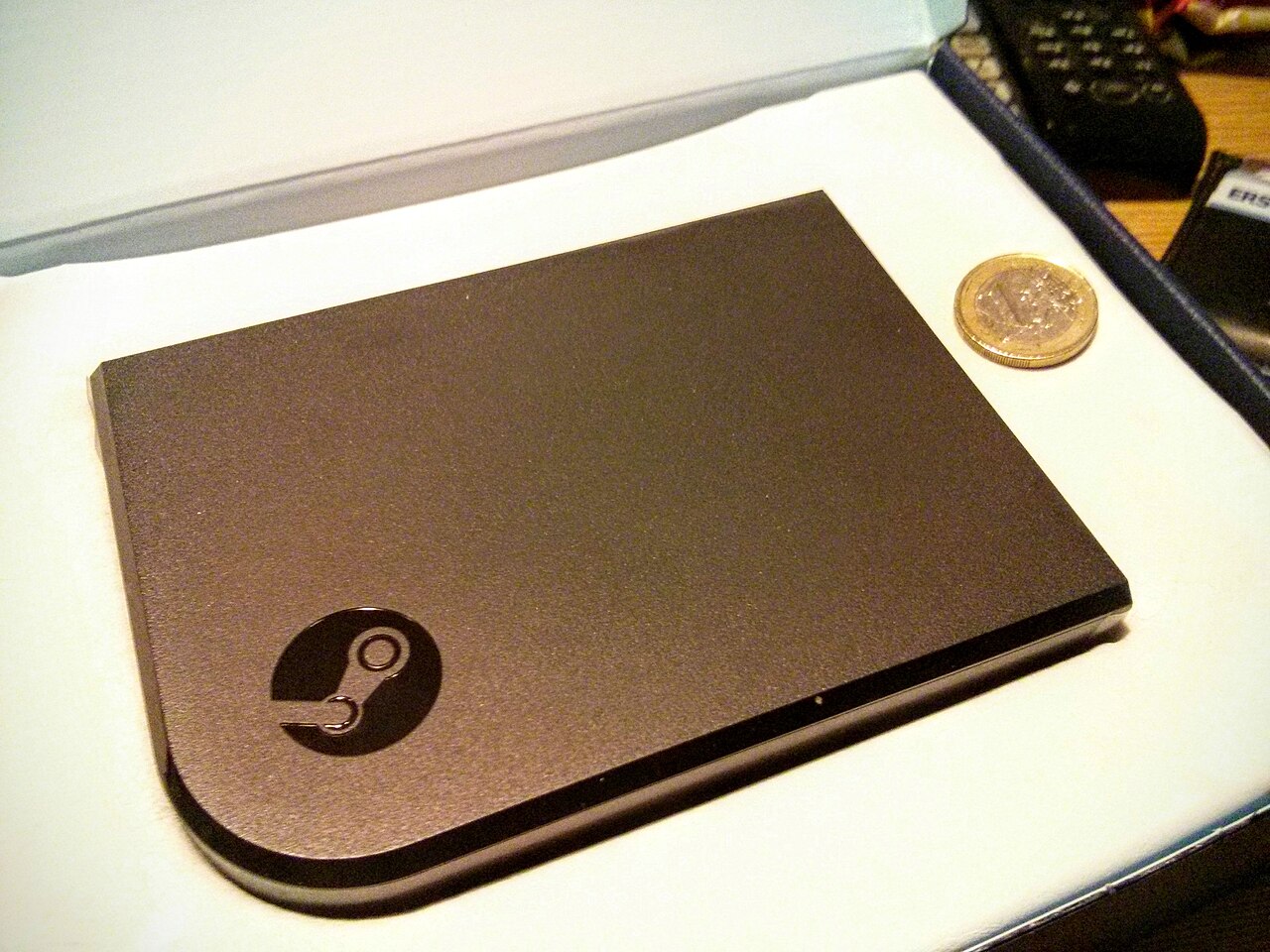
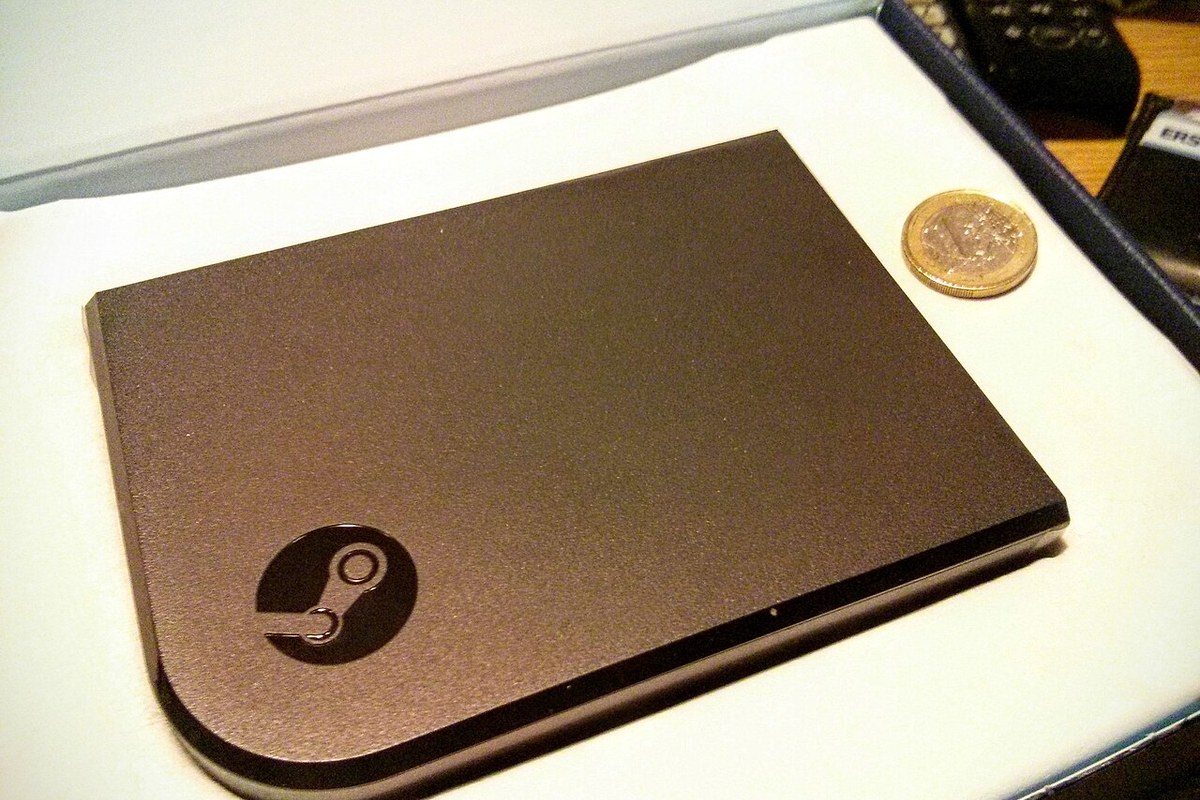
The physical design should be read as part of the workflow. Check where Valve Steam Link hardware will sit, how it is carried or mounted, what must remain accessible and which controls can be reached without opening an app. A compact device may still need clearance, ventilation, light, a stable network or a dedicated charging space. These details often decide whether living-room play becomes a habit or an occasional demonstration. That is the part of Valve Steam Link hardware most likely to shape the physical routine.
The system around Valve Steam Link hardware
Before calling Valve Steam Link hardware compatible, look at controls, display output and latency. Valve Steam Link hardware may have enough processing, sensing, amplification, display or motion capability for local multiplayer, but the result depends on the surrounding system. A phone needs a supported carrier and backup path; a computer needs memory, storage and peripherals; a camera needs cards and an editing plan; a connected device needs a network and account. The product is one part of a chain. The surrounding setup decides whether Valve Steam Link hardware feels seamless. The compatibility check should start with the required connection, software and accessories (gaming product), because a polished product page is only useful when the rest of the household can meet its requirements.
A compatibility badge is only a starting point, since standards rarely describe the whole experience. Look for regional frequencies, required applications, supported operating systems, ports, codecs, file types, smart-home protocols and account restrictions. Valve may publish a broad compatibility statement while a particular accessory or older device narrows the practical choice. Record those dependencies before purchase. For Valve Steam Link hardware, compatibility is a chain of small requirements rather than one badge.
Setup, controls and the first useful task
The first useful session turns online services and backward compatibility into a real routine. Start with the manufacturer instructions, update the firmware or operating system, and create a recovery or backup path before importing important data. If Valve Steam Link hardware uses a mobile application, review permissions and account recovery while access is easy. If it is a physical machine, reserve time for calibration, placement, charging, pairing or a first-run safety check. The first useful task for Valve Steam Link hardware should be small enough to repeat. A sensible first session with Valve Steam Link hardware is a small repeatable job using the account, cable, material or app it actually needs; that reveals friction earlier than a showcase demonstration.
The first week with Valve Steam Link hardware is likely to include interruptions. Wi-Fi can drop, batteries can arrive partly charged, a file can be unsupported, a room can be brighter than expected or a surface can fall outside the stated operating envelope. The sensible test is a small repeatable task: use Valve Steam Link hardware for living-room play, note every intervention, and only then attempt a more ambitious workflow. We have not performed that test here. That is where Valve Steam Link hardware either earns a place in the routine or becomes shelfware.
Maintenance, privacy and support
Look past the purchase price to storage, thermals and accessories. Consumables, filters, pads, cables, storage cards, ear cushions, batteries, nozzles, print surfaces or replacement parts should be treated as part of the product, not as afterthoughts. Ask how often the routine occurs, whether the part is available in Canada and the United States, and whether the owner can complete it without a service appointment. A low-maintenance claim is meaningful only when the maintenance path is visible. The cost of living with Valve Steam Link hardware includes the parts and accounts around it. The ownership question is practical rather than glamorous: whether library compatibility should still be acceptable after the first month, when the novelty has gone.
The running cost includes the privacy and service model. Valve Steam Link hardware may work without an account, or it may place important controls in Valve's application and cloud. Check retention, sharing, export, warranty region and what happens when support ends. library compatibility is a concrete ownership question for this category; it is more useful than a general promise that the device is easy to live with. A buyer should be able to explain the upkeep for Valve Steam Link hardware before ordering.
The limits and the alternatives
The clearest limitation is storage expansion. It does not automatically disqualify Valve Steam Link hardware; it tells the buyer where a good result is most dependent on preparation. A person who already owns the compatible ecosystem, has the required workspace or enjoys the setup work may experience the trade-off differently from someone seeking a self-contained appliance. The right score reflects fit and documented capability together. This is the trade-off to weigh against clear purpose around living-room play. The clearest boundary to plan around is Hands-on performance and long-term reliability remain unverified; it does not make Valve Steam Link hardware a bad choice, but it does make the buyer's use case matter.
Choose alternatives by the job they must do. A cheaper model may remove a feature but simplify service. An older model may have a larger accessory market but a shorter software horizon. A competing platform may offer fewer headline functions and better compatibility with the devices already in the home. Compare the complete routine around Valve Steam Link hardware, including installation, data, consumables, support and eventual disposal. The point is not to penalise Valve Steam Link hardware, but to make the boundary visible.
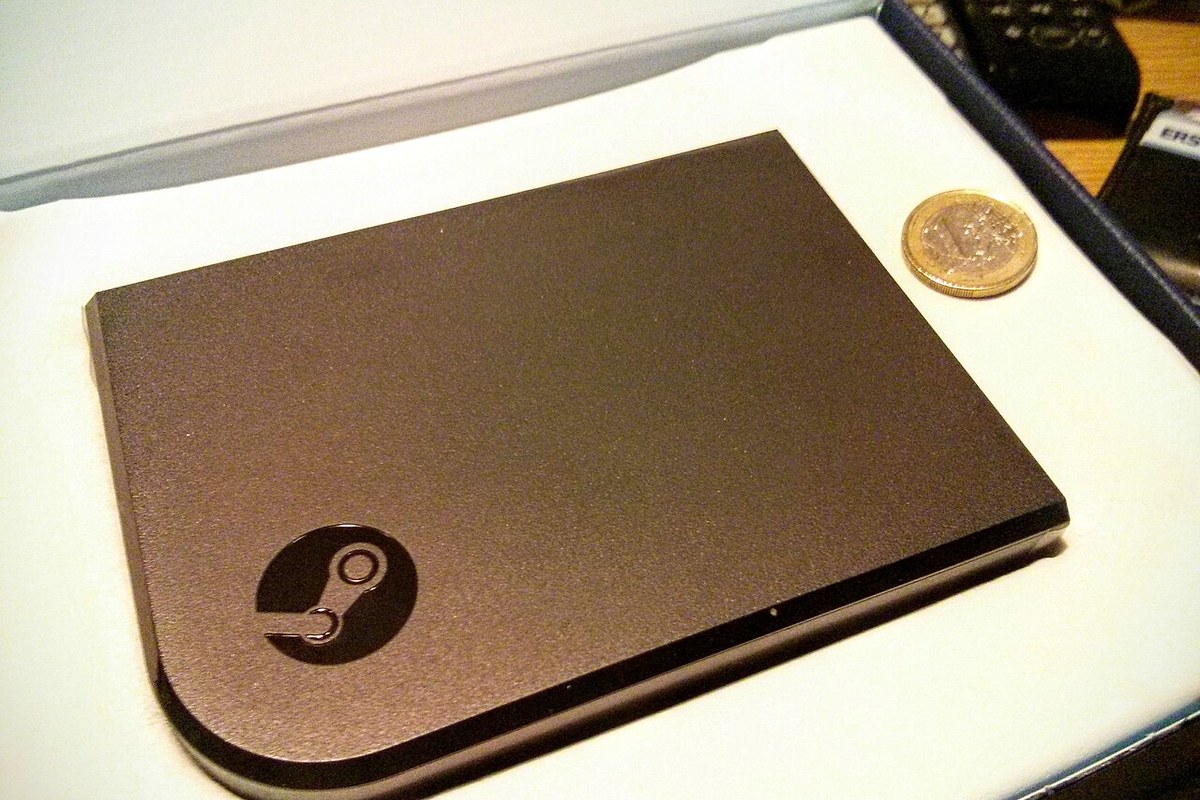
What the evidence can and cannot establish
A useful way into Valve Steam Link hardware is the documentation: it shows repairability and long-term platform support. The manufacturer page is the authority for the stated configuration; the public reference page provides context and an image record. Neither source is a substitute for a controlled performance test. We have not measured speed, accuracy, sound, image quality, battery degradation, thermal behaviour, obstacle handling, reliability or customer-service outcomes. Those questions remain open. The sources support a shortlist for Valve Steam Link hardware; they do not replace a hands-on test. The public record supports a narrower claim: Clear purpose around living-room play is a reason to shortlist Valve Steam Link hardware, not proof of performance in a particular home.
The shortlist becomes more useful when the task and failure plan are explicit. Define what counts as success for living-room play, what intervention is acceptable, what data must stay local, and which accessory or subscription costs are tolerable. If Valve Steam Link hardware still fits after those answers, the product has earned a closer look. If it does not, a simpler alternative may be the better technology. That distinction matters for Valve Steam Link hardware because accessories, software or subscriptions may change the complete cost.
Who should consider Valve Steam Link hardware
Valve Steam Link hardware is easiest to recommend to someone seeking a balance between capability and the routine around it and ready for the associated library compatibility. It is less persuasive for someone who needs a zero-setup product, broad repair access or guaranteed performance in conditions the documentation does not define. The score below is a provisional research assessment of the published design and ownership path, not a laboratory result. The strongest fit is a buyer who wants a balance between capability and the routine around it for living-room play and is prepared to own the supporting setup. That makes Valve Steam Link hardware a better fit for a buyer whose needs match the documented configuration than for someone shopping by badge alone.
Keep the model number, warranty region, support horizon, accessory list, return window and privacy terms in front of you at checkout. Keep a copy of the manual and record the configuration that was purchased. Those small steps make a later correction or service request easier and protect the buyer from confusing a retailer bundle with the product described here. That is the audience for whom Valve Steam Link hardware has the clearest case.
Sources & further reading.
These are the sources behind this research review. Manufacturer claims are not independent performance measurements. Community accounts, when cited, describe individual experiences.
- Valve product website ↗manufacturer
- Valve support and documentation ↗support
- Valve Steam Link hardware public reference page ↗community
Documentation reviewed: 9 October 2026. Product software and regional bundles can change. Corrections and editorial disclosures.