An editorial assessment of documented capabilities and ownership trade-offs. This is not a hands-on test result or a measurement of reliability.
Features & capability 30%8.7
Hybrid modes and Joy-Con input options create a broad documented play proposition; games determine results.
Compatibility & connectivity 20%8.1
Dock and handheld arrangements are flexible, while exact game and accessory compatibility remains important.
Ownership & upkeep 20%7.6
Storage cards, extra controllers and online services affect the complete cost.
Setup & everyday use 15%8.3
Moving between settings is the central usability promise, with handling and handoff still to test.
Documentation & support clarity 15%8.7
Nintendo distinguishes output, storage and battery conditions explicitly in its technical material.
Compare scores within the same product category. Small decimal differences should not override your needs or the evidence limits.
How the Standpoint Score works
We score five aspects of the documented product on a 0–10 scale, then calculate a weighted total:
- Features & capability30% of the total
- Compatibility & connectivity20% of the total
- Ownership & upkeep20% of the total
- Setup & everyday use15% of the total
- Documentation & support clarity15% of the total
This product’s 8.3/10 is a provisional research assessment. It does not claim measured performance, tested reliability or a verified customer satisfaction rate. Compare it with products in the same category, and read each criterion’s reasoning above.
Read the full rubric and score bands ↗The ownership case.
A persuasive platform for someone who values Nintendo games and movement between handheld and TV play; an upgrade should follow exact titles and complete accessory costs.
Reasons to consider it
- Hybrid television and handheld arrangement
- Joy-Con 2 includes mouse sensors
- Several documented output modes
Go in knowing
- Output capabilities are not every game’s frame rate
- Storage expansion requires microSD Express
- Older games and accessories need compatibility checks
The specification sheet.
Published specifications from the linked sources. Configurations and availability can differ by country.
- Handheld screen
- 7.9-inch 1080p LCD
- TV output
- Up to 4K at 60 fps; supported lower-resolution 120 fps modes
- Internal storage
- 256 GB; system reserves a portion
- Expansion
- microSD Express; up to 2 TB supported
- Battery claim
- Approximately 2–6.5 hours depending on the game
The games come first
Nintendo Switch 2 is a hybrid console whose main advantage is the option to move between a television and a portable screen. That is useful for a shared household television, travel and sessions that continue in different places. It does not make the console the right purchase for every player. Begin with the games you want to play and the people you want to play with. A console with an appealing specification list is still a poor fit if its library does not match those preferences.
This review examines Nintendo's technical documentation and the ownership implications of its design. It is not a game-performance test. We have not measured frame rates, assessed the screen or tracked handheld endurance. The provisional Standpoint Score reflects the versatility of the documented arrangement and the questions that need attention at purchase. In particular, screen mode, storage expansion, game compatibility and online services deserve separate decisions rather than being bundled into the assumption that a new console is a straightforward upgrade.
Handheld and television modes have different ceilings
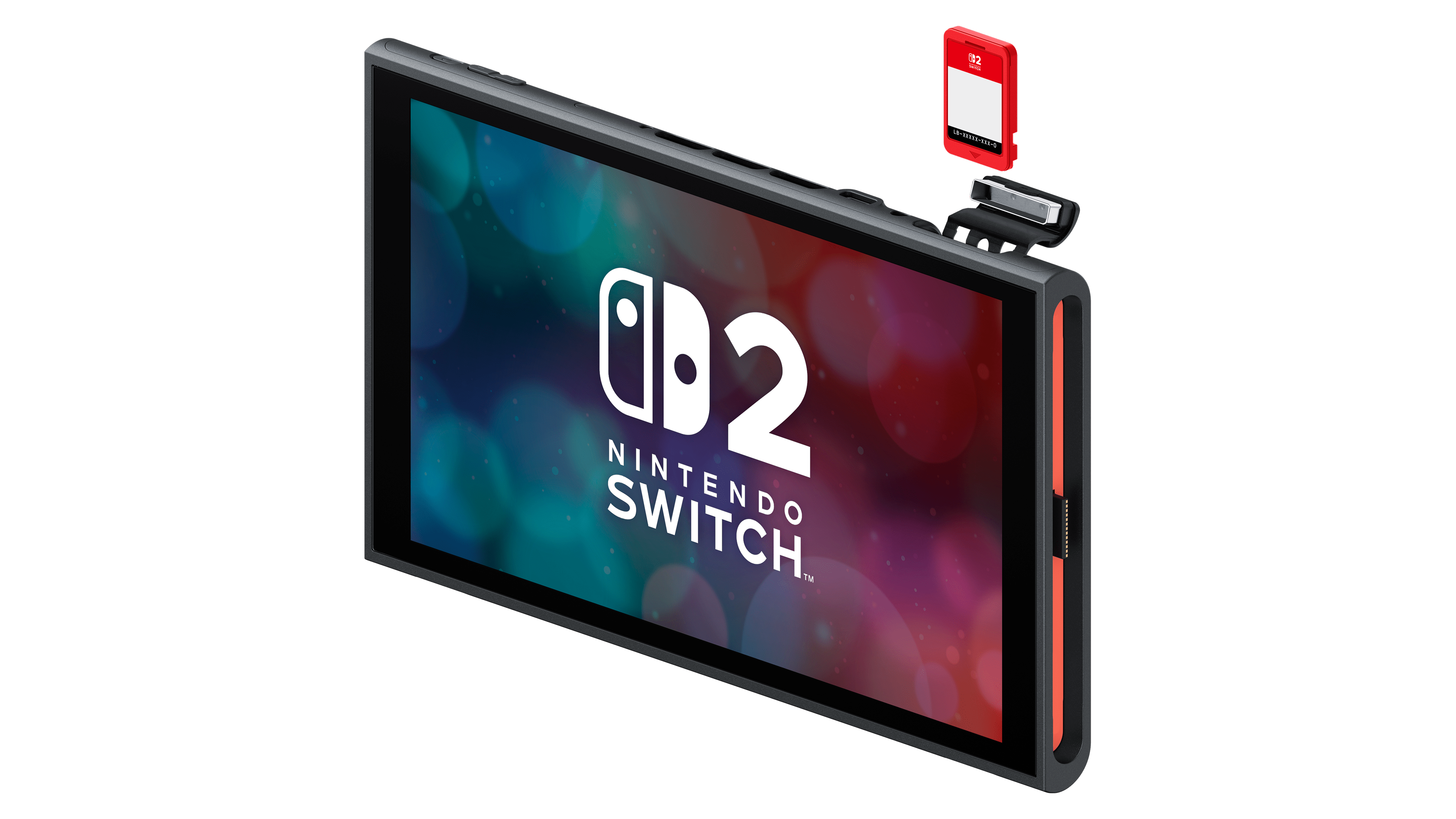
Nintendo specifies a 7.9-inch 1080p LCD for handheld use and documents television output up to 4K at 60 frames per second, with other modes supporting higher refresh at lower output resolutions. Those are supported output arrangements, not promises that every game renders at those resolutions and frame rates. Games make their own choices about performance and image quality. A buyer should look at the exact titles and modes they care about before treating the display specification as a game benchmark.
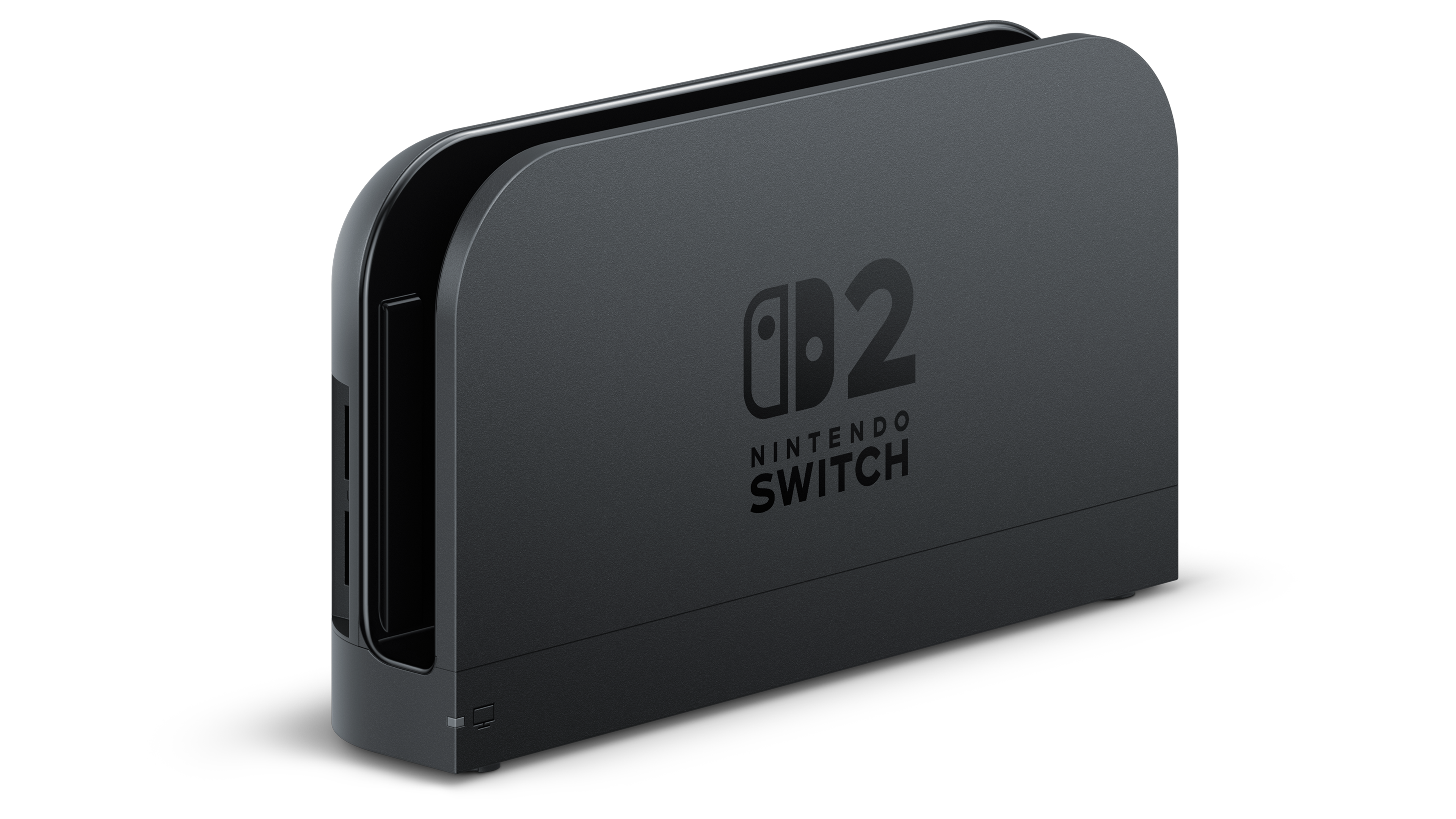
The household television matters too. Check its supported inputs and settings, including the complete path through a receiver or soundbar if one is used. A console can only use a mode the connected equipment supports correctly. We would verify handoff between the dock and handheld use during ordinary play, rather than judge the hybrid proposition from a successful menu display alone. The useful outcome is being able to continue a session predictably, with controls and text that remain comfortable in the setting where the console will actually be used.
The larger portable screen changes handling
A larger handheld display can make text and interface elements easier to inspect, but it also changes how the console is held and packed. Try the device with the intended grip and carrying case if possible. Notice whether the controls remain comfortable during the kind of game played most often. A short shop demonstration does not tell us how the system feels after an hour of repeated inputs. For children or players with smaller hands, those physical details deserve particular attention.
Tabletop use presents another set of requirements. Consider the surface, viewing distance and where separate controllers can be used without crowding another person. The hybrid design is flexible, but flexibility does not mean every arrangement is equally convenient. We would test text-heavy and action-oriented games in several positions. The right size is the one that lets the intended player enjoy the game comfortably, rather than the size that looks most impressive beside an earlier console in a product comparison photograph.
Joy-Con 2 features depend on the software
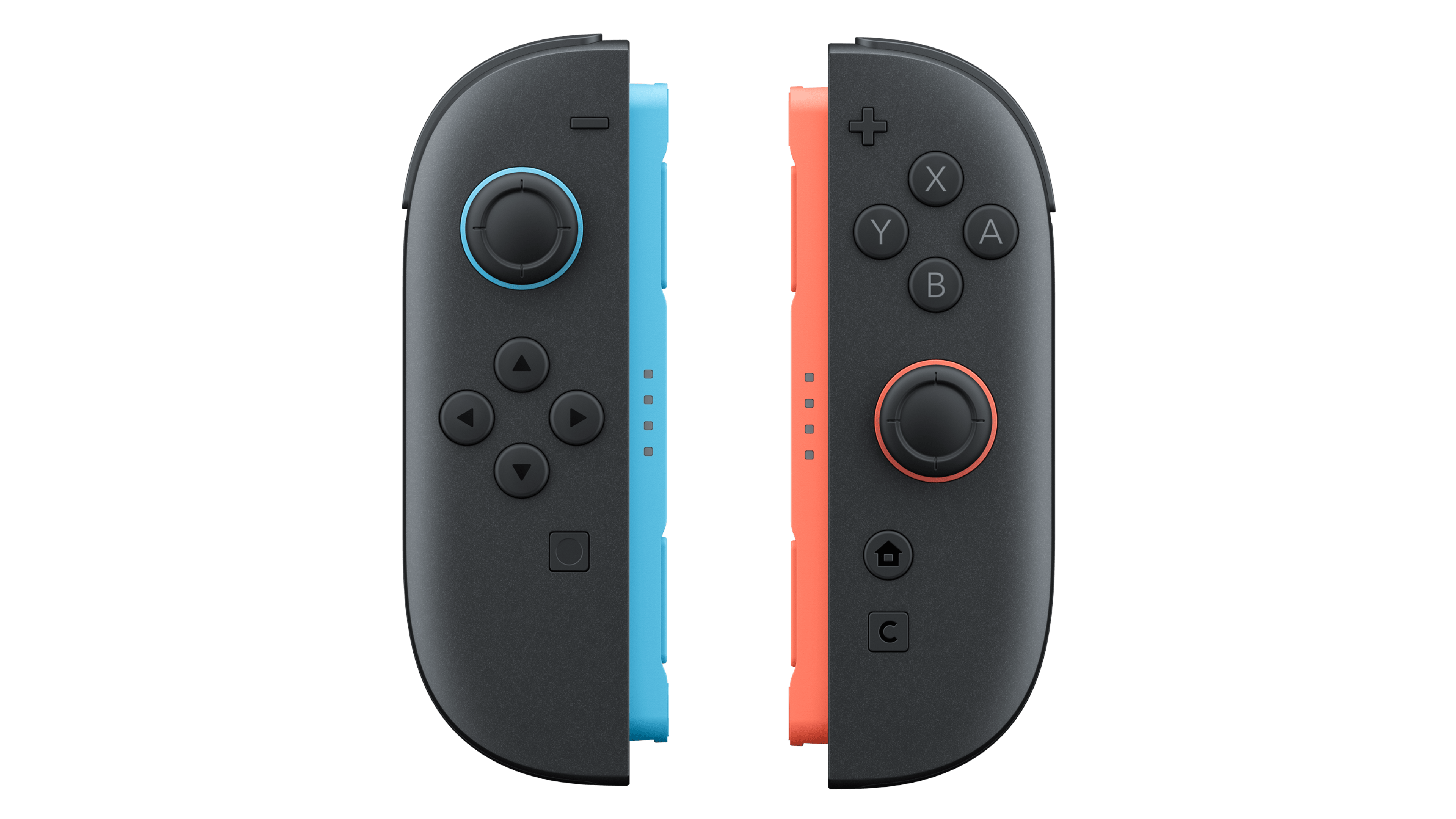
Nintendo documents mouse sensors in Joy-Con 2 alongside their buttons, motion sensors and vibration features. Those create new input possibilities, but a game must support the relevant behaviour. A buyer should check demonstrations and instructions for the actual title rather than assume every game gains mouse-style control. The most useful question is whether the new input makes a recurring action easier or enables an experience the player wants, not merely whether it is technically different.
Controller arrangements also affect multiplayer costs. Identify how many people will play at once and which controllers the selected games require. Do not assume one pair is sufficient for every two-player title or that an existing accessory supports every new feature. Nintendo's current compatibility guidance should decide that question. We would inspect pairing, charging and switching between players as part of an evaluation. The purchase becomes more useful when everyone has an appropriate controller and understands how to join, rather than when the hardware box alone appears to cover a household's plans.
Storage expansion has an important compatibility boundary
The console lists 256 GB of internal storage, with part reserved for the system, and supports microSD Express expansion. Nintendo distinguishes those cards from ordinary microSD cards. That is a critical shopping detail for someone planning to reuse storage from an earlier console. Read the current guide before transferring a library or buying a card. A physically similar card is not evidence of compatibility for installed games, and a bargain card should not be chosen without checking its exact standard.
Estimate space around the games and downloads actually planned. Physical ownership can still involve updates or additional data, so the game package deserves a closer look. Keep enough free space for ordinary changes and avoid buying the largest card solely because it eliminates a hypothetical future decision. We would test installation and transfer with the intended card before reporting its convenience. Storage capacity is useful when it supports the library comfortably; a larger number does not improve a game that was already loading and running satisfactorily.
Older games and purchases require title-specific checks
Nintendo's specification page lists support for both Switch 2 and Switch game cards. That should not be treated as a blanket promise that every older game and accessory behaves identically. Consult the current compatibility information for the titles that matter, including any required update, upgrade or special controller. A household with an extensive earlier library should make this a written checklist before buying. The value of an upgrade depends partly on what can remain useful.
Digital purchases and household sharing need attention as well. Check the current account and licence arrangements, and distinguish owning a title from being able to use it simultaneously on multiple systems. If the old console will remain in the household, plan how each person will access their games and saves. We would verify a realistic family workflow rather than assume that one successful account sign-in settles every sharing question. A clear migration can preserve convenience; an improvised one can turn a new console into a source of avoidable restrictions.
Portable endurance and online play carry conditions
Nintendo gives an approximate battery range of two to six and a half hours, with the game affecting the result. That wide range makes charging plans relevant for travel. Consider the length of the journey, the games selected and whether a suitable power source will be available. This review does not report an average across games we have not played. A future endurance assessment should identify the title, settings and connection state so that the result can be interpreted sensibly.
Online functions, communication and subscriptions should be checked separately from the hardware price. Decide which services the household actually wants and read their current conditions. For younger players, configure communication and purchase restrictions before the first multiplayer session rather than after an unwanted transaction or interaction. A console can be welcoming while still needing deliberate account setup. The strongest ownership arrangement is one where the player can get into a game easily and the person managing the household understands the costs and permissions attached to that convenience.
The research verdict
Switch 2 has a persuasive documented proposition for someone who values Nintendo's game library and movement between portable and television play. It is a more conditional upgrade for a person satisfied with an earlier console or primarily interested in games available on other platforms. Compare the complete cost of storage, controllers and services against the specific new experiences you want. No amount of specification improvement makes an unwanted library the right purchase.
Our next report would examine real titles in both modes, handling over longer sessions, charging during travel and a multi-user household setup. It would identify the game versions and accessories used. Until then, the Standpoint Score is an assessment of the documented platform rather than a measured frame-rate or screen-quality verdict. Its appeal is practical flexibility around games the buyer actually enjoys. The outstanding evidence is how well that flexibility holds together through ordinary sessions, transfers, controller changes and the interruptions that occur in a shared home.
Sources & further reading.
These are the sources behind this research review. Manufacturer claims are not independent performance measurements. Community accounts, when cited, describe individual experiences.
- Nintendo Switch 2 — official US technical specifications ↗manufacturer
- Switch 2 — Nintendo technical specification support ↗manufacturer
Documentation reviewed: 9 October 2026. Product software and regional bundles can change. Corrections and editorial disclosures.