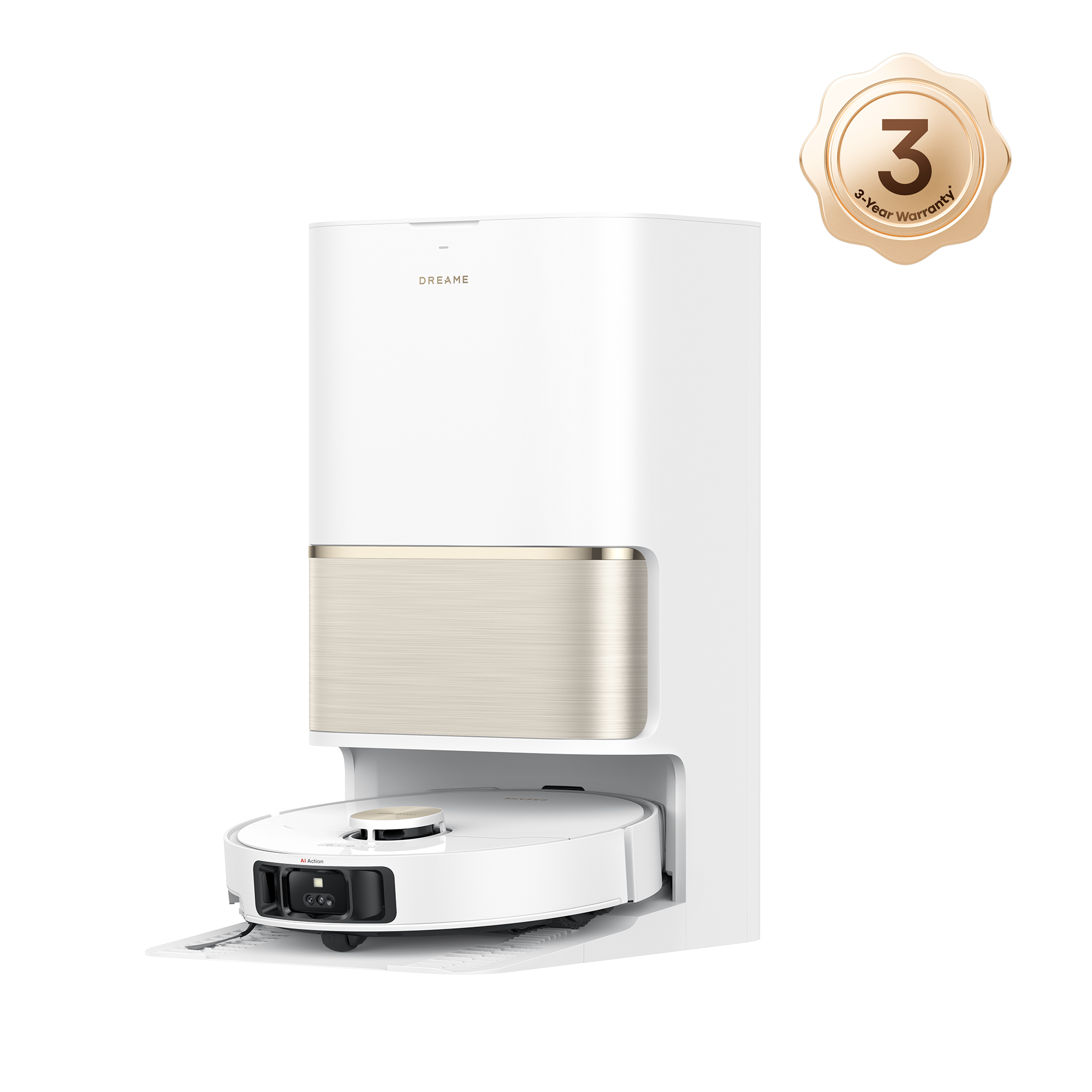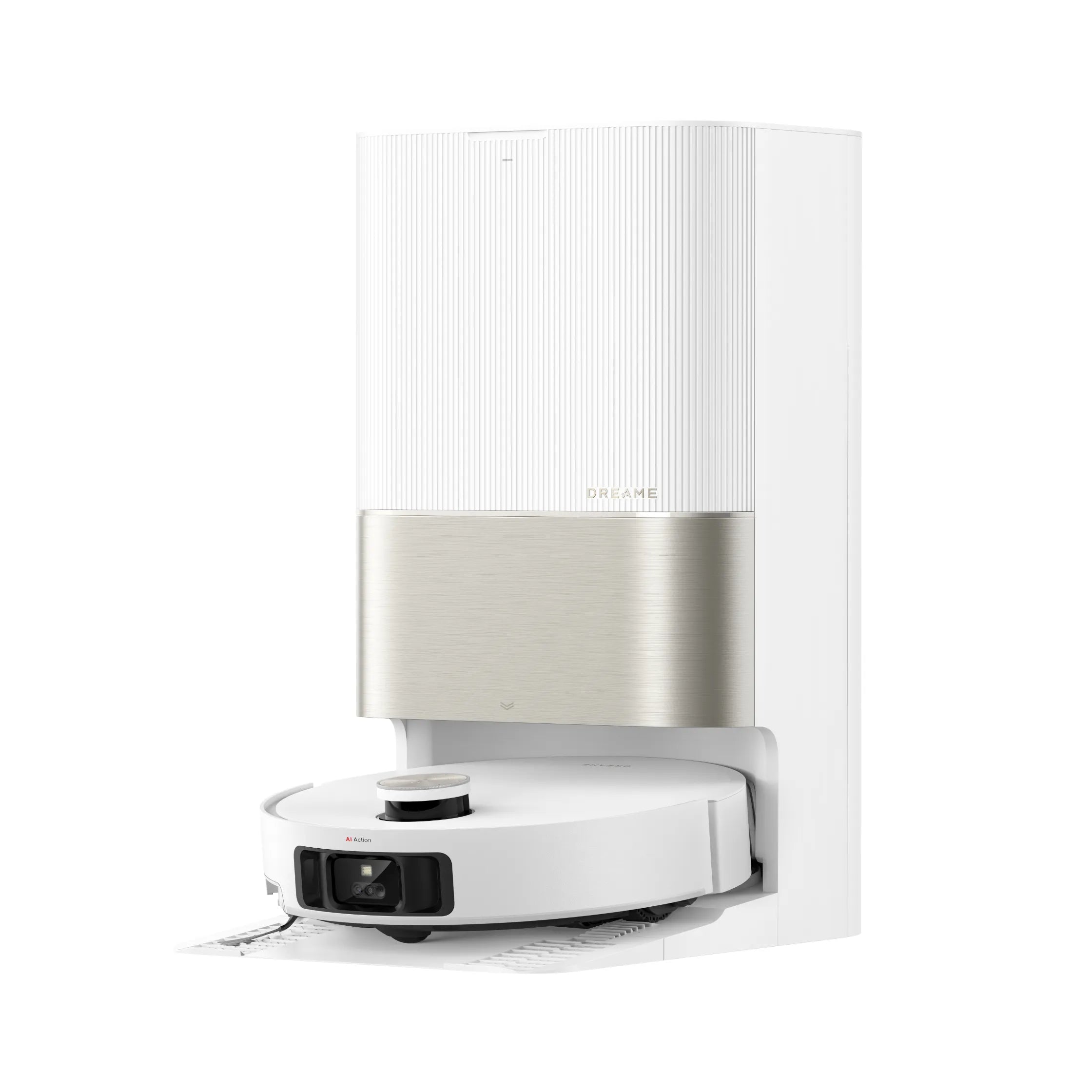
An editorial assessment of documented capabilities and ownership trade-offs. This is not a hands-on test result or a measurement of reliability.
Task capability 30%9.1
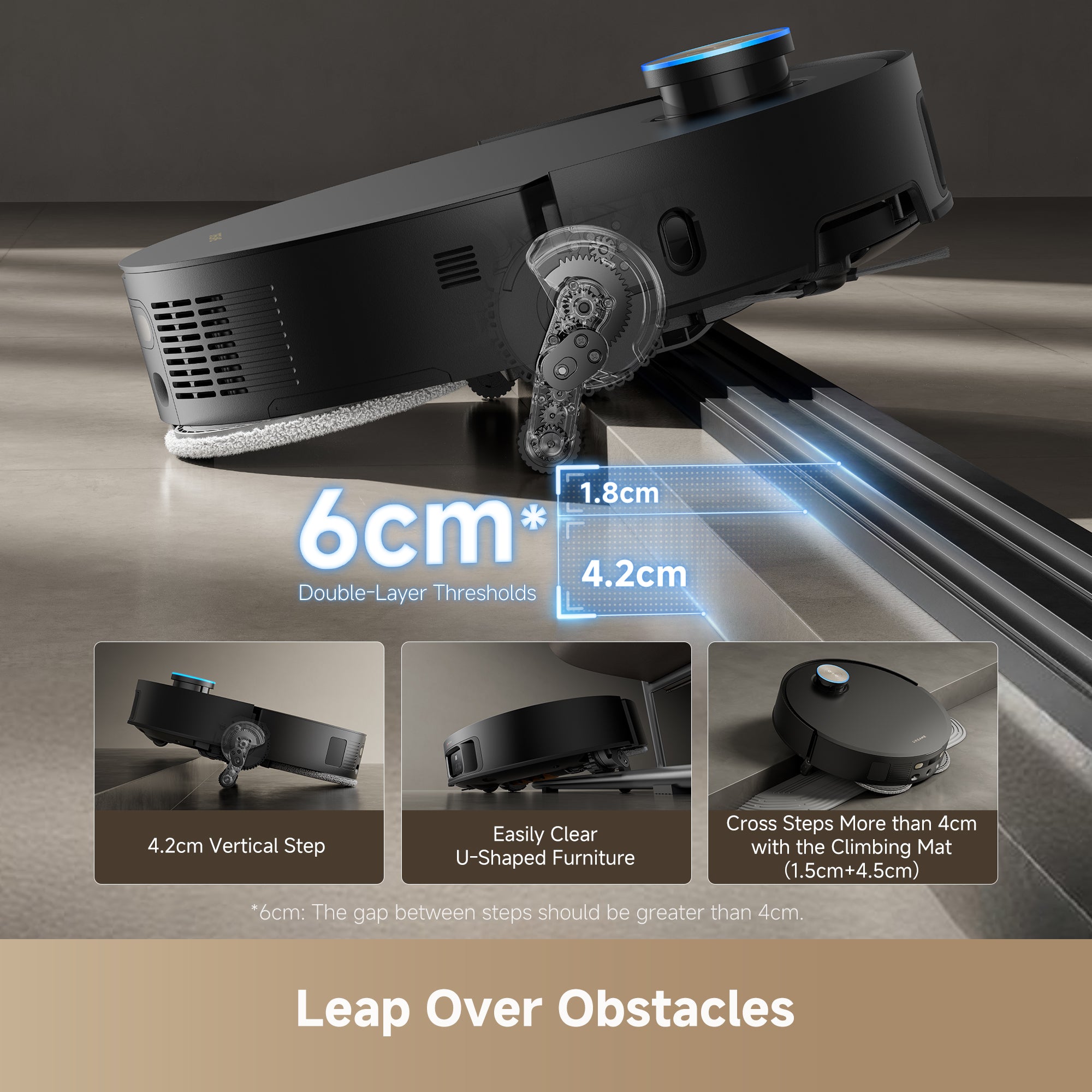
Threshold legs, retracting sensor, dual brushes and extending tools address demanding physical access.
Navigation & control 20%8.5
VersaLift sensing and configurable carpet strategies provide sophisticated documented control.
Ownership & upkeep 20%7.9
Station automation helps, while multiple mobility and cleaning mechanisms increase service complexity.
Setup & usability 15%7.0
Threshold geometry, low clearance and station installation require a substantial home trial.
Documentation & support clarity 15%8.4
Official comparison distinguishes single-step and two-step limits and sensor-dependent height.
Compare scores within the same product category. Small decimal differences should not override your needs or the evidence limits.
How the Standpoint Score works
We score five aspects of the documented product on a 0–10 scale, then calculate a weighted total:
- Task capability30% of the total
- Navigation & control20% of the total
- Ownership & upkeep20% of the total
- Setup & usability15% of the total
- Documentation & support clarity15% of the total
This product’s 8.3/10 is a provisional research assessment. It does not claim measured performance, tested reliability or a verified customer satisfaction rate. Compare it with products in the same category, and read each criterion’s reasoning above.
Read the full rubric and score bands ↗The ownership case.
The access hardware is a meaningful reason to shortlist it, but the advertised two-step crossing figure must not be mistaken for universal stair-climbing ability.
Reasons to consider it
- Lifting legs target troublesome room transitions
- Retractable sensor for low furniture
- Dual brushes and extending cleaning tools
Go in knowing
- Threshold geometry matters as much as height
- Additional moving mechanisms need service support
- 2.4 GHz Wi-Fi required
The specification sheet.
Published specifications from the linked sources. Configurations and availability can differ by country.
- Advertised suction
- 20,000 Pa
- Threshold claim
- Up to 60 mm across two steps; 42 mm single step
- Sensor
- VersaLift retractable navigation unit
- Minimum height
- 89 mm with sensor retracted
- Brush
- HyperStream Detangling DuoBrush
Access is the strongest reason to consider it
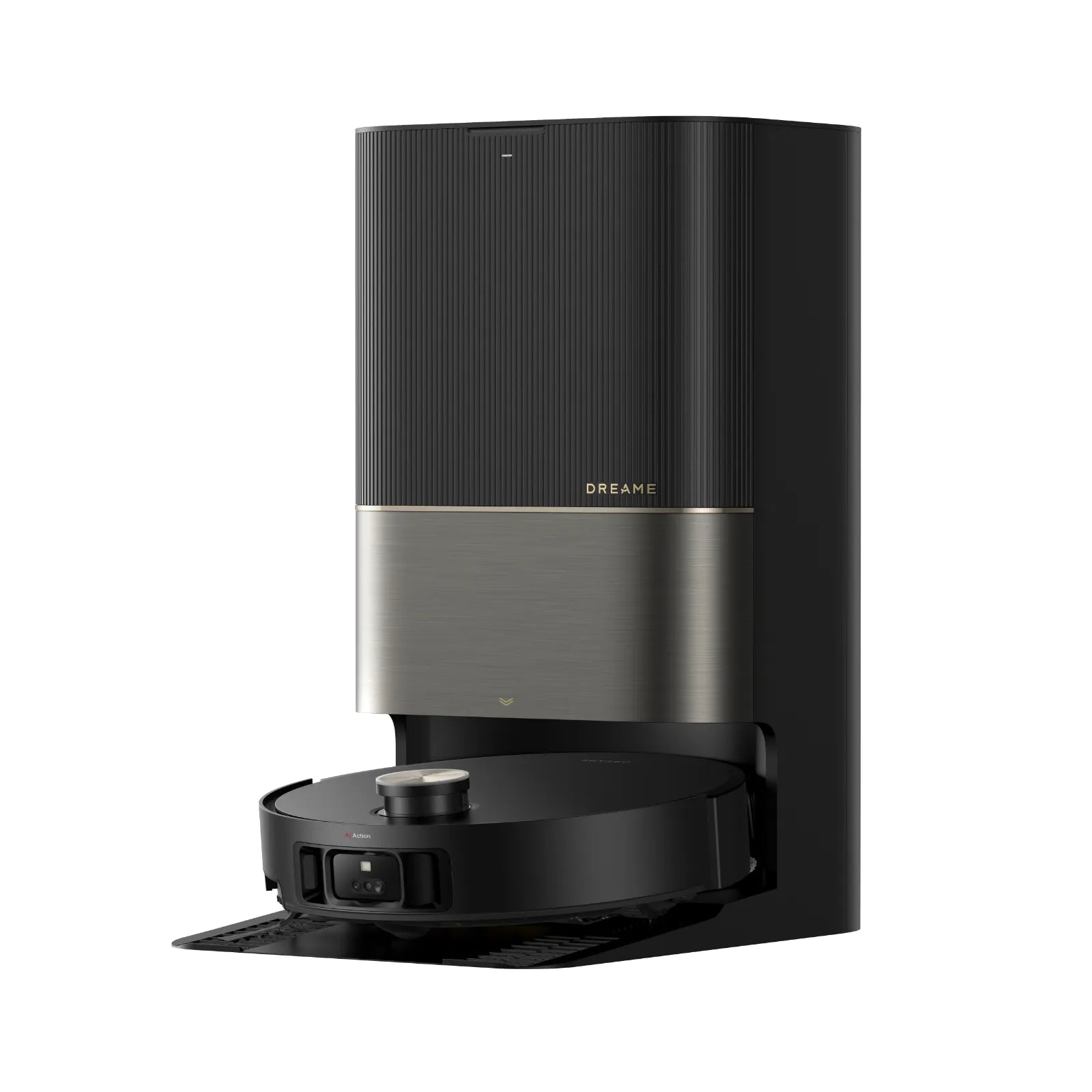
X50 Ultra's most interesting components are its ProLeap lifting system and VersaLift navigation unit. They tackle two different barriers: getting over transitions and getting under furniture. Dreame distinguishes a maximum two-step crossing claim from its lower single-step figure, which is essential context. A threshold with a useful landing is not equivalent to a vertical block of the same total height. Before shopping, measure the actual troublesome transition and the space for approach. The X50 is potentially valuable when those obstacles prevent a simpler robot from cleaning an entire room. On a flat, open floor, its most elaborate mechanisms may contribute much less to daily life.
Low height is a temporary operating state
With the VersaLift sensor retracted, Dreame specifies an 89 mm height; with it raised, the robot is taller. This creates a dynamic navigation task rather than merely a low shell. We would want to see how it moves beneath a bed, maintains its location and exits when its usual high viewpoint is unavailable. Measure braces and sagging upholstery, not just the visible furniture leg. A thick rug can also change the entry angle. Access should be tested repeatedly in normal conditions because one successful pass may not reveal a tight clearance that causes trouble after furniture moves slightly or bedding drapes onto the floor.
The brush system targets long hair
HyperStream Detangling DuoBrush combines two brush elements and airflow management, with Dreame advertising long-hair handling as a central benefit. That is relevant in a household where brush cutting has become a routine chore. It should still be tested separately from carpet extraction. A machine can avoid wrapping hair yet leave embedded strands in a rug, or pick up well while retaining some material at the brush ends. Inspect the intake, rollers and small wheels after representative use. The 20,000 Pa claim identifies the advertised motor capability; it is not a substitute for measuring remaining fine debris and hair across the floors you actually need cleaned.
Extending tools add reach, not unlimited coverage
The X50 also uses extending cleaning elements and a sophisticated wet-care routine. Those mechanisms are useful beside cabinets and furniture supports, but the robot must still fit and position itself. A protruding toe-kick, tight dining-chair cluster or deep grout line can remain challenging even when the edge tool moves outward. Mopping should be evaluated with ordinary dried marks and the floor manufacturer's permitted moisture level. Compare the dry result after one pass with a deliberately repeated task. The available carpet strategies, including mop removal, are a reason to plan separate routines rather than insist that every surface be cleaned identically on the same journey.
Automation shifts work to the station
The X50's station and washboard systems aim to make repeated wet cleaning practical. They also occupy a permanent service area. Dreame lists a substantial station height, so check overhead clearance and whether a full tank can be lifted comfortably. For an upstairs installation, think about carrying water and the entire unit if service is required. An automated wash cycle is valuable when it prevents repeated manual pad cleaning, but it cannot answer every maintenance issue in a machine with lifting legs, retracting sensors and moving arms. Preserve access to the underside and learn the normal operating sounds before a schedule becomes fully unattended.
A commissioning plan for legs and a lowering sensor
X50's first week should isolate the two access mechanisms. Test the difficult threshold with the room otherwise straightforward, then test the low furniture on a flat approach. Record the profile of the threshold rather than only its total height: a single lip and two separated steps are different conditions in Dreame's specification. Observe the return journey too. For the furniture test, check clearance when the robot is on any adjacent rug, and secure hanging fabric. Do not use a stair edge as a mobility experiment. Physical barriers remain appropriate wherever an accidental fall could cause harm. A successful demonstration earns confidence only in the tested route, not permission to let the robot attempt every raised area in the house because it has lifting hardware.
The retracting sensor, lifting mechanism, dual brushes and extending tools create a maintenance profile that deserves attention beyond pad washing. Inspect accessible joints for trapped debris as the manual permits, without forcing movement by hand. Record unusual sounds or repeated deployment errors while the pattern is clear, and keep videos of the normal behaviour for comparison. Ask the seller how these assemblies are serviced and whether a fault in one mechanism requires shipping the complete robot. The large dock also needs convenient access to its tanks and washboard. A premium machine can save time on the floor while still being inconvenient to package and move for repair, so regional support arrangements should be part of the purchase calculation rather than an afterthought once something needs attention.
Dreame's cited X50 description specifies 2.4 GHz Wi-Fi. Verify router compatibility and configure the map and carpet rules before adding optional connected functions. The manufacturer's cybersecurity certification is relevant documentation, but it is not a personal guarantee that every optional data-sharing choice suits the household. Review camera access, account sharing and update settings in the installed regional app. Canadian buyers should confirm local warranty eligibility, particularly for an imported US bundle, and check the price of the actual DuoBrush replacement set. The most defensible value calculation is the number of rescues and manual cleaning areas eliminated by the legs and lowering sensor. If the home has no difficult thresholds or low furniture, those mechanisms add complexity without delivering the access benefit that makes X50 distinctive.
Sources & further reading.
These are the sources behind this research review. Manufacturer claims are not independent performance measurements. Community accounts, when cited, describe individual experiences.
Documentation reviewed: 9 October 2026. Product software and regional bundles can change. Corrections and editorial disclosures.