An editorial assessment of documented capabilities and ownership trade-offs. This is not a hands-on test result or a measurement of reliability.
Task capability 30%8.2
Extending mops and a full station offer a useful everyday wet-and-dry balance.
Navigation & control 20%7.8
Configurable carpet strategies and room routines support a conventional mixed-floor plan.
Ownership & upkeep 20%8.0
Automated base care reduces pad handling, with water and tray work retained.
Setup & usability 15%8.0
No specialised climbing installation is assumed, but similar model names require care.
Documentation & support clarity 15%7.8
Official feature list establishes the generation; exact accessories still need model-level verification.
Compare scores within the same product category. Small decimal differences should not override your needs or the evidence limits.
How the Standpoint Score works
We score five aspects of the documented product on a 0–10 scale, then calculate a weighted total:
- Task capability30% of the total
- Navigation & control20% of the total
- Ownership & upkeep20% of the total
- Setup & usability15% of the total
- Documentation & support clarity15% of the total
This product’s 8.0/10 is a provisional research assessment. It does not claim measured performance, tested reliability or a verified customer satisfaction rate. Compare it with products in the same category, and read each criterion’s reasoning above.
Read the full rubric and score bands ↗The ownership case.
A coherent daily-cleaning design; distinguish it carefully from the original L10s Ultra and the Pro variants, and evaluate the actual station workflow.
Reasons to consider it
- Extending mop reaches beyond the basic circular footprint
- Automatic station supports frequent cleaning
- Balanced wet and dry brief
Go in knowing
- Long model names are easy to confuse
- Basic layout and dock access still govern usefulness
- Manufacturer claims do not establish pickup rankings
The specification sheet.
Published specifications from the linked sources. Configurations and availability can differ by country.
- Advertised suction
- 10,000 Pa
- Edge system
- MopExtend RoboSwing
- Station
- Fully automatic base station
- Carpet handling
- Configurable carpet cleaning strategies
- Review scope
- L10s Ultra Gen 2
A name that needs careful checking
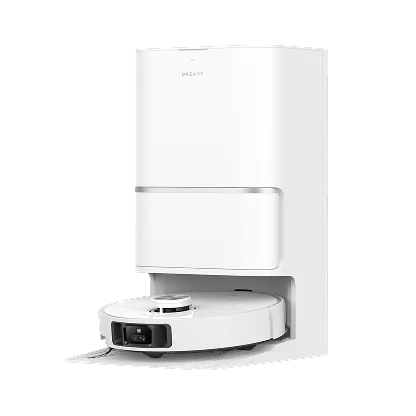
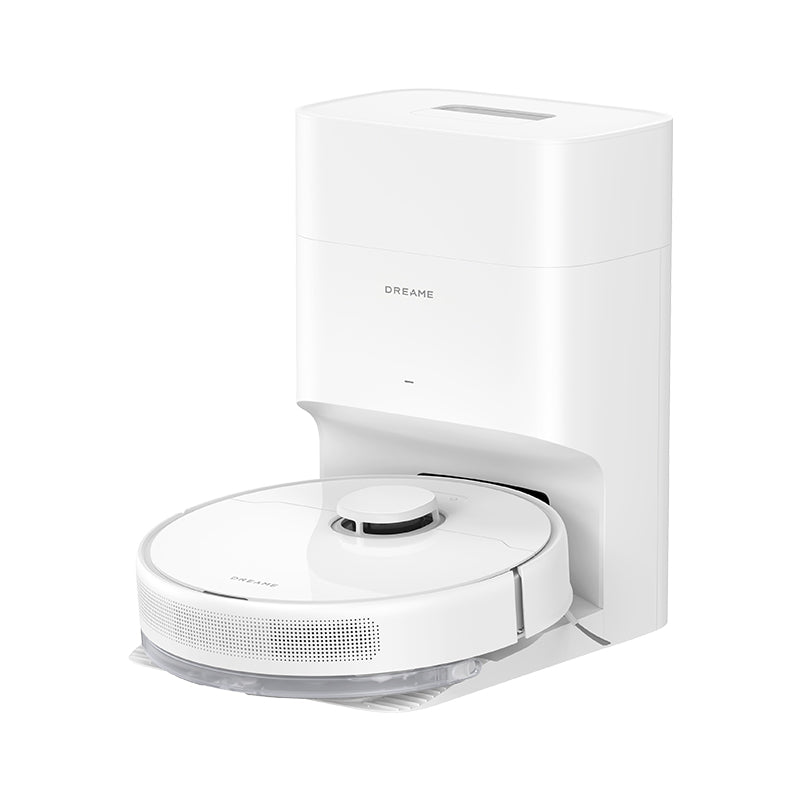
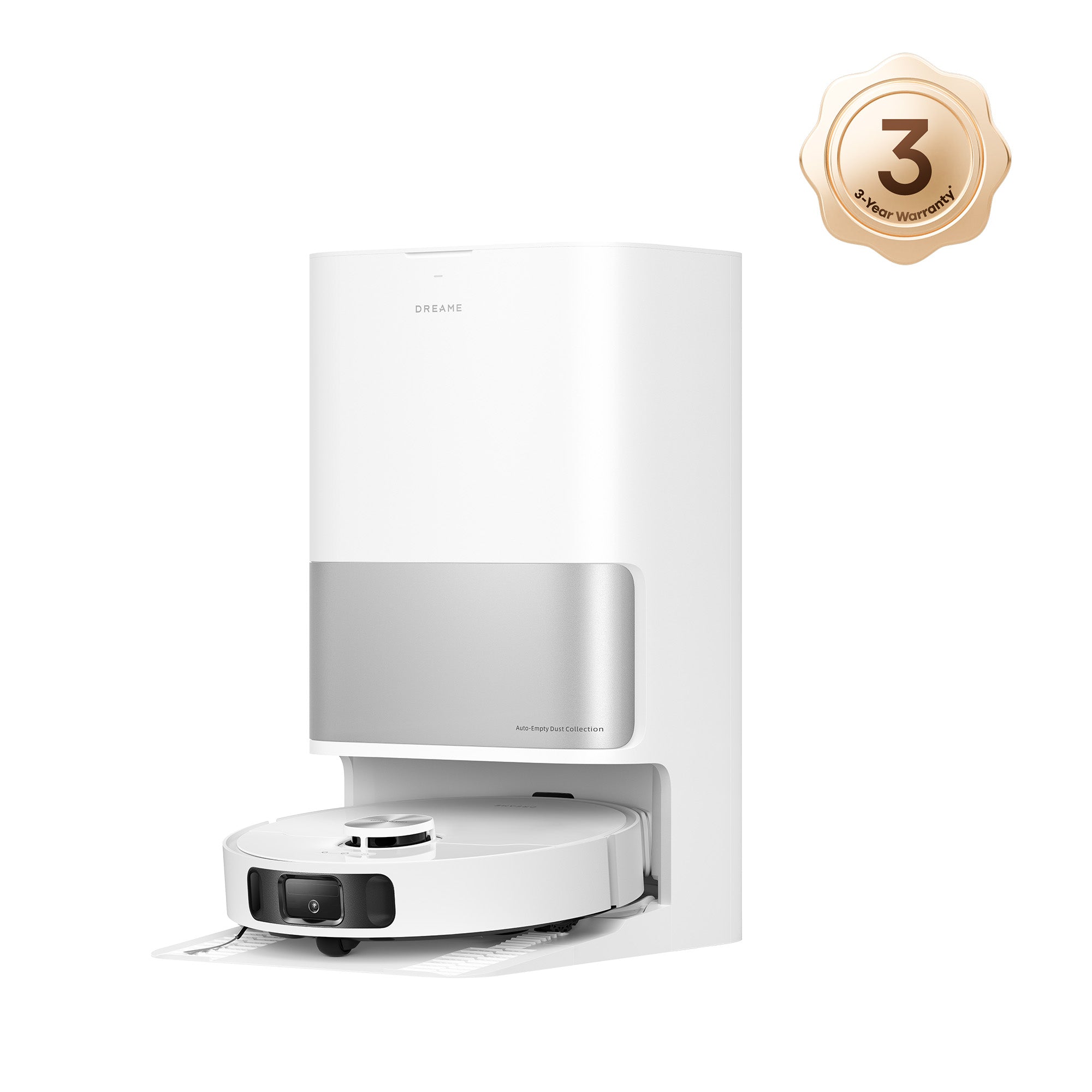
L10s Ultra Gen 2 is a specific product, not a shorthand for every Dreame robot carrying L10s. The original Ultra, Pro Ultra, Pro Gen 2 and Plus versions can allocate chores differently, especially at the station. Check the full model name on the retailer listing and box before comparing price or replacement parts. For this Gen 2, the central proposition is a full automated base paired with MopExtend RoboSwing and a 10,000 Pa advertised suction system. That is a useful set of features for routine mixed-floor work. Its appeal should be judged by how well it covers the kitchen, hall and living areas, not by navigating the naming scheme.
Edge reach is the meaningful wet-cleaning feature
MopExtend RoboSwing lets the cleaning pad move toward boundaries beyond the main body. The intended benefit is a narrower unwashed strip along cabinet bases and furniture edges. That is worth investigating in a home where the perimeter collects visible dirt. It does not mean the robot can scrub every hidden recess or pass through a chair gap narrower than its body. Inspect the result in those difficult places after a normal task. If the central floor is clean but the same edges need hand wiping, the feature has not fully solved the owner's problem. Coverage and stain removal should be assessed independently rather than combined into one vague impression.
A suction upgrade is not a cleaning score
The manufacturer's 10,000 Pa figure describes the advertised vacuum system. It can help identify the generation, but it should not be used to predict twice the cleaning of a model with half the numerical claim. The floor, brush, filter, speed and debris all matter. A household with a shedding dog should inspect the brush ends and bin transfer after several runs, while a carpeted home needs to look for remaining embedded material. On hard floors, pay attention to fine grit near seams and the scattering of larger crumbs. We have not measured those outcomes, so this review does not award a performance ranking from the specification alone.
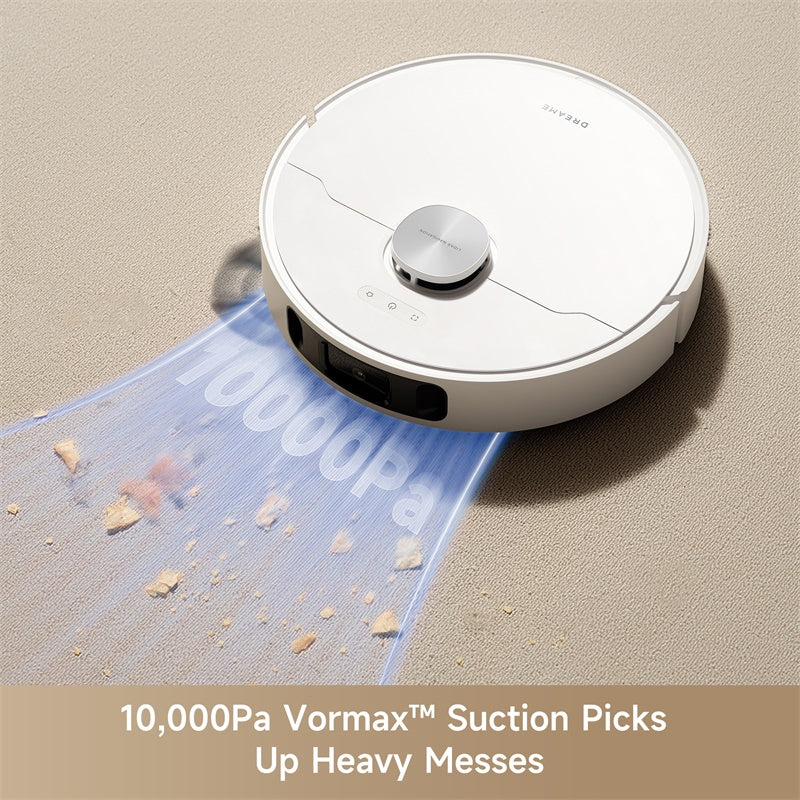
Carpet strategies should simplify the route
The Gen 2 offers configurable carpet cleaning approaches, which is useful because a flat washable mat and a deep-pile rug should not necessarily be treated alike. Set a deliberate plan for each surface instead of relying on one global combined mode. Observe the first transition with wet mops and check the rug afterwards. A small runner that slides or curls can become a navigation problem even when the carpet-detection setting is correct. Sometimes a kitchen-only wet task and a separate vacuum routine are the clearest solution. The app should help express the household's requirements, not force every floor into the same automated routine.
The station turns capability into repeat use
The fully automatic base is what can make daily mopping realistic. Without aftercare, the owner might be willing to prepare and wash pads once a week but not after every dinner. Automation reduces those repeated steps, although water-tank and tray work remain. Give the dock a location where servicing it is easy enough to become habitual. Check the approach path, clearance above the tanks and whether the floor beneath is suitable. The best feature combination is of little value if the station is so awkwardly placed that mopping is disabled to avoid dealing with it. Usability after the cleaning run is part of the machine's practical performance.
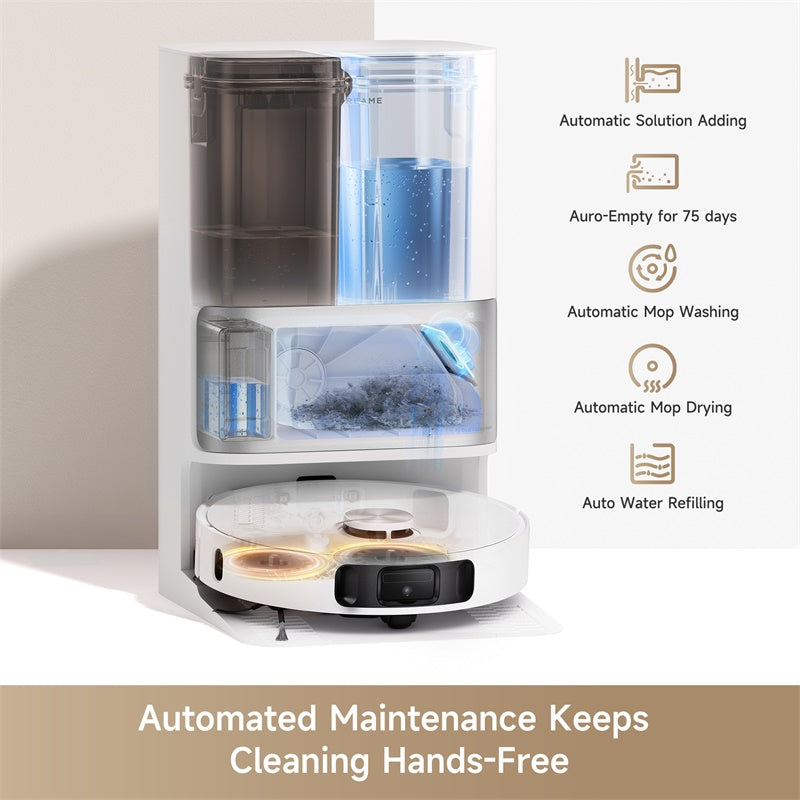
The right role in the range
Compare L10s Ultra Gen 2 with L40 Ultra when an extending and liftable side brush is important, and with D10 Plus Gen 2 when automatic dry collection with simpler wet care is sufficient. The two Gen 2 labels do not imply the same level of station automation. We would want a home trial to measure edge residue, rug transitions, brush attention and total weekly maintenance. On documented features, this is a sensible daily-cleaning configuration for a conventional floor plan. It becomes less compelling if the main obstacles are unusually tall thresholds or low furniture, where a different physical design may solve the problem more directly.
Keeping Gen 2 ownership unambiguous
The first ownership task is administrative but useful: photograph the full L10s Ultra Gen 2 label and store it with the manual and invoice. Dreame's similar L10s names make it easy to order the wrong pad mount, brush or station accessory from a broad compatibility listing. Confirm each replacement against the actual model, especially if buying a kit intended for several generations. Keep a clean spare pad pair available so a damaged textile does not interrupt the schedule. For a local price comparison, include those genuine supplies rather than assuming an inexpensive generic kit will fit equally well. The machine's value depends on remaining easy to service after the original box of consumables is used, not only on the features present at unboxing.
Use MopExtend RoboSwing on a route that can reveal its benefit. A cabinet edge with ordinary dried kitchen marks is more informative than an empty room of loose dust. Inspect the strip near the wall after the floor dries, and observe whether the robot has space to swing when a chair is nearby. Then run a separate rug task to verify the chosen carpet strategy. A home with several floor types benefits from a map that reflects those differences rather than one all-purpose mode. Keep the dock's approach and position stable while commissioning. If the robot fails, note whether the issue was access, floor classification or cleaning residue. Those are different problems, and changing every setting together makes it difficult to identify which adjustment actually helped.
The fully automatic base still requires different care intervals for wet and dry components. A dust bag's advertised duration has little to do with how promptly wastewater should be emptied or a tray inspected. Establish the water routine from actual usage, especially if the kitchen is mopped daily. Place the station where those checks are easy, and listen to the complete cycle near the intended living or work area. App maps and household sharing deserve review even when camera monitoring is not the feature being purchased. Canadian buyers should confirm regional service and the exact supplied bundle. If comparing against L40, decide whether the extra side-brush mechanism addresses a real uncleaned area. The Gen 2 package can be enough when its edge mop, standard access and station workflow already cover the home's recurring chores reliably.
Sources & further reading.
These are the sources behind this research review. Manufacturer claims are not independent performance measurements. Community accounts, when cited, describe individual experiences.
Documentation reviewed: 9 October 2026. Product software and regional bundles can change. Corrections and editorial disclosures.