An editorial assessment of documented capabilities and ownership trade-offs. This is not a hands-on test result or a measurement of reliability.
Task capability 30%8.2
Expanded lighting capacity and documented sensing options serve large installations
Control & connectivity 20%8.1
Wired wireless and external ecosystem control provide useful flexibility
Ownership & upkeep 20%7.0
Migration aftercare and account-linked configuration add ongoing responsibilities
Setup & usability 15%6.8
Existing-home migration is materially more involved than connecting the box
Documentation & support clarity 15%8.5
Detailed current migration and exclusion guides clarify important limits
Compare scores within the same product category. Small decimal differences should not override your needs or the evidence limits.
How the Standpoint Score works
We score five aspects of the documented product on a 0–10 scale, then calculate a weighted total:
- Task capability30% of the total
- Control & connectivity20% of the total
- Ownership & upkeep20% of the total
- Setup & usability15% of the total
- Documentation & support clarity15% of the total
This product’s 7.8/10 is a provisional research assessment. It does not claim measured performance, tested reliability or a verified customer satisfaction rate. Compare it with products in the same category, and read each criterion’s reasoning above.
Read the full rubric and score bands ↗The ownership case.
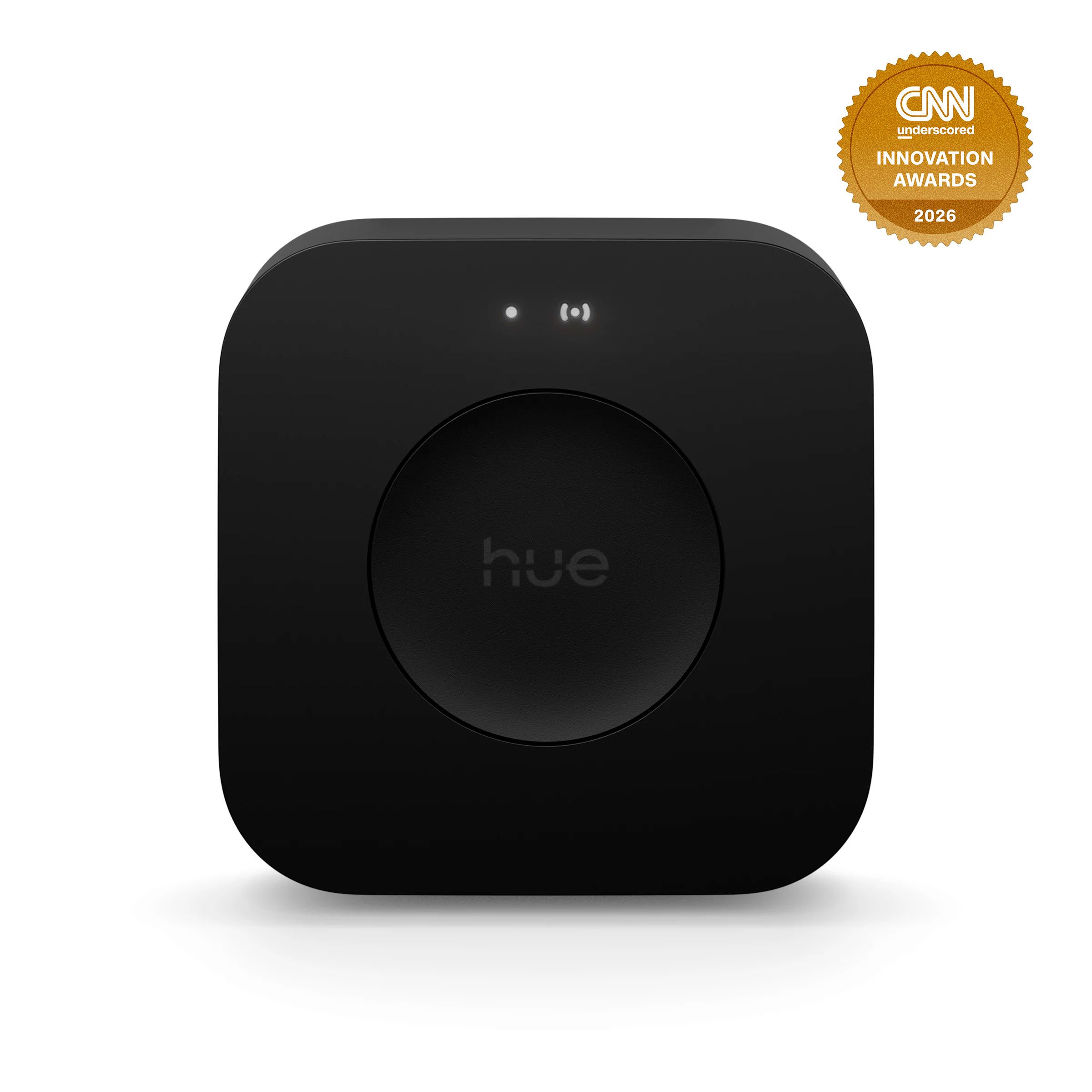
Philips Hue Bridge Pro is a sensible research-based upgrade for a large Hue household that can use the added capacity or has a verified MotionAware use case.
Reasons to consider it
- Documented capacity for a larger lighting installation
- Ethernet or Wi-Fi placement options
- Current support for migration from multiple bridges
Go in knowing
- Additional-bridge automations and accessory behaviors need recreation
- MotionAware excludes specific device models
- Future software announcements should not be treated as installed features
The specification sheet.
Published specifications from the linked sources. Configurations and availability can differ by country.
- Conservative planning capacity
- 150 lights and 50 accessories
- Scenes
- Up to 500
- Network
- Ethernet or Wi-Fi
- Motion feature
- MotionAware on eligible devices
- Indoor protection
- IP20
- US product number
- 046677582111
An upgrade for a crowded lighting system
Philips Hue Bridge Pro has its clearest purpose in a home whose lighting installation has become difficult to contain within older bridge arrangements. Its expanded capacity and migration tools are practical reasons to look beyond the familiar white bridge. MotionAware adds another proposition: selected existing lights can participate in detecting motion. The essential buying question is whether those changes solve a present problem. A home with a handful of reliable bulbs may experience less benefit than a large installation spread across multiple controllers. This research review examines the current official product and migration documentation, including changes since launch. We have not measured command latency, tested motion detection or migrated a real household. The hardware's more capable positioning should therefore be treated as a specification claim rather than a demonstrated speed improvement.
Capacity needs an inventory
Hue advertises support for more than 150 lights and 50 accessories, while its technical table lists 150 and 50 respectively; it also documents up to 500 scenes. We would plan conservatively around the listed limits and leave headroom rather than design a home at the edge of a promotional plus sign. An inventory should include switches, sensors, rooms, zones and integrations as well as visible bulbs. This makes it possible to decide whether consolidation will actually simplify management. Capacity is not the same thing as radio coverage: bringing devices under one controller does not make distance, walls or power availability disappear. Before replacing several working bridges, we would map the physical installation and identify any far-flung outdoor lights that deserve testing from the proposed new location.
Ethernet or Wi-Fi is a placement decision
Bridge Pro supports either Ethernet or Wi-Fi, and Hue recommends Ethernet for the most dependable connection. The wireless option can nevertheless be useful when the router's location is a poor place for the lighting controller. We would weigh a convenient central placement against the additional wireless dependency, then test the chosen arrangement with the actual home network. This is not a decision that a generic range claim can settle. A bridge hidden behind equipment may be tidy yet difficult to access when pairing or troubleshooting is needed. The product's indoor rating also matters: controlling outdoor lights does not imply that the bridge belongs outside. US and Canadian buyers should choose the appropriate regional package and account for a dry, accessible location with suitable power before treating installation as finished.
MotionAware deserves a room-level trial
Hue's MotionAware proposition is distinctive because it uses compatible lights for motion sensing rather than requiring a separate sensor in every intended location. The manufacturer's guide specifies three or four lights per motion area, up to four areas, and a separate compatibility page lists excluded model IDs. We would check the actual installed models before buying the bridge for this feature. More fundamentally, a room's lighting layout was probably designed for illumination, not sensing geometry. A practical trial should examine entry paths, quiet occupancy, adjacent-room movement and the effect of changing furniture. It should also establish a sensible timeout and an easy manual override. We would not treat a successful walk-through demonstration as proof that lights will behave appropriately while someone sits still reading or moves around just outside the intended area.
Migration has improved, but still needs planning
The current official guide supports moving multiple bridges into one Bridge Pro, so early launch-era statements that this cannot be done are outdated. However, the first bridge moved into an empty Pro and subsequent bridges are handled differently. The guide says additional-bridge automations and accessory behaviors need manual recreation, among other aftercare. That makes the choice of the first bridge strategically important. We would begin with the arrangement containing the most complex rules, document the others and set aside a quiet period for the change. A migration is successful only when physical switches, scheduled scenes and external integrations work as expected afterward. Counting transferred bulbs is insufficient. This is an opportunity to simplify old experiments, but the simplification should be deliberate rather than an accidental consequence of missing configuration.
The bridge does not replace every accessory
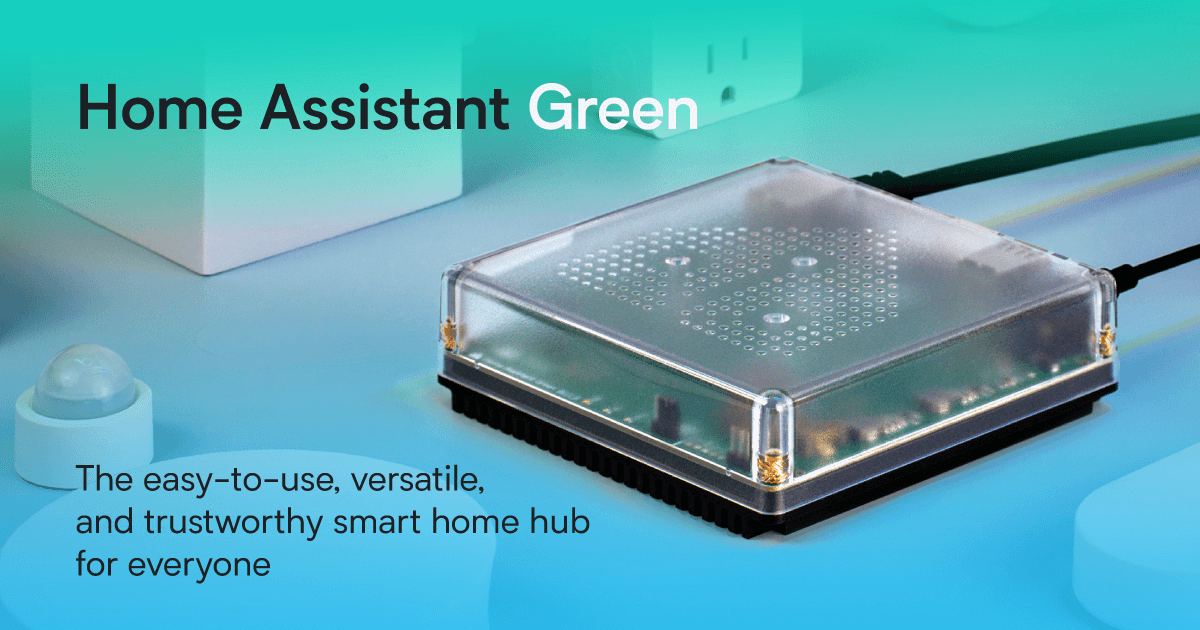
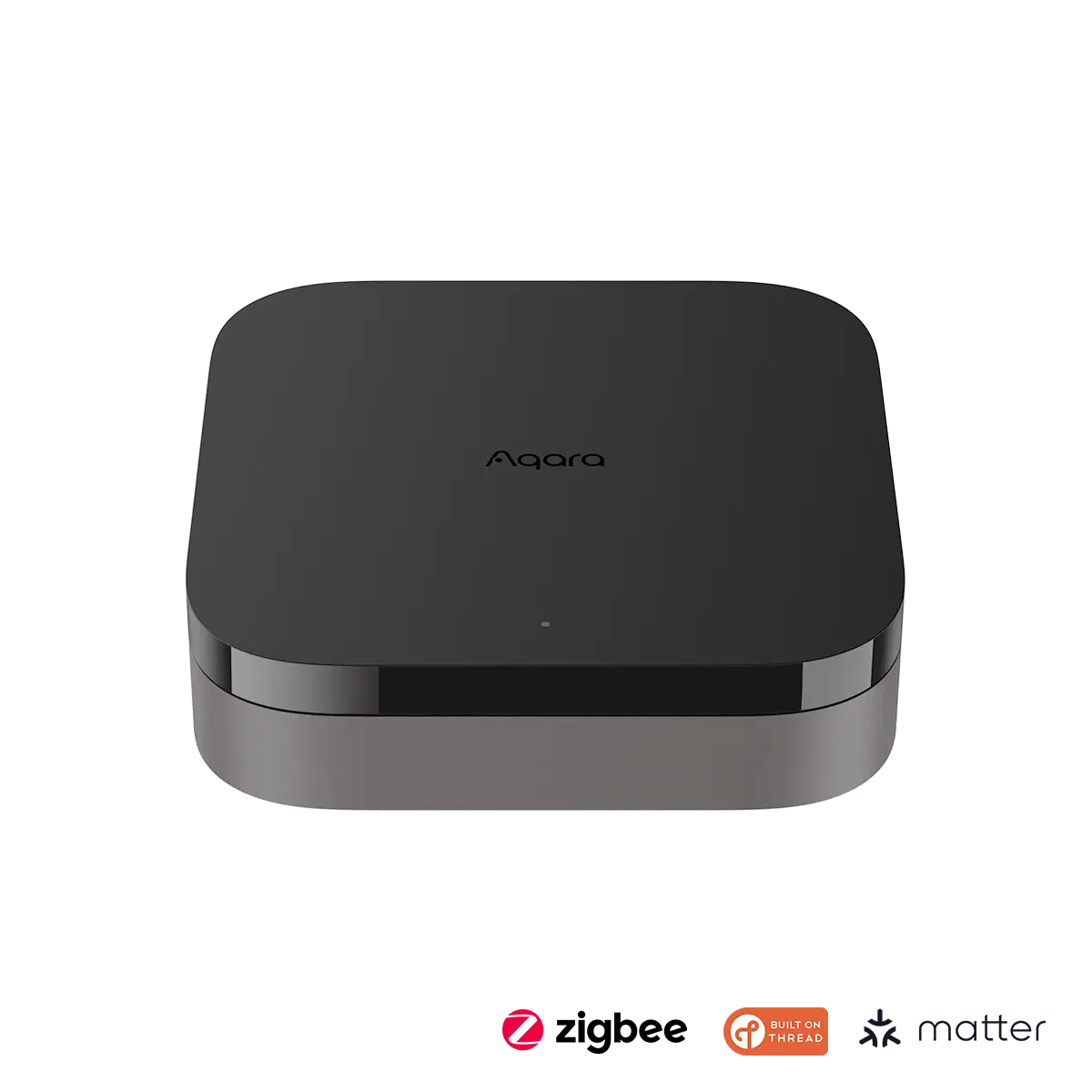
Hue's product positioning includes entertainment synchronization, ecosystem integrations and security-related lighting. These capabilities should be assessed as parts of a system. Buying Bridge Pro alone does not supply every television connection, camera or service that a demonstration may show. MotionAware alert features also have subscription requirements, distinct from using motion to control lights. We would list the exact desired experience and identify its additional hardware or subscriptions before calculating value. The same discipline applies to Matter: exposing Hue devices to another home platform does not make Bridge Pro a universal controller for every unrelated smart-home product. If the household mostly wants broad cross-brand automation, Aqara M3 or Home Assistant Green addresses a different problem. Hue's advantage is a coherent lighting environment; purchasing it to solve every automation requirement risks paying for the wrong kind of central device.
Privacy and current software promises
Hue's migration guide explicitly describes transferring bridge data through its cloud migration service, so the move is not simply a private cable-to-cable copy. Owners with detailed household routines should understand that process and the account involved. Software announcements also need careful separation from features verified as available. Signify's September 2026 announcement describes custom behaviors arriving through an October update, while backup and restore remains in development and another integration is scheduled for a later update. We would purchase based on functions available in the installed app and firmware, not on a future roadmap. For lighting that people depend on every evening, a recoverable and understandable configuration has more practical value than a demonstration of a newly announced feature whose rollout or regional availability remains uncertain.
What we would test over time
Our evaluation would compare a representative installation before and after migration, recording command response from a Hue switch, the Hue app and a connected third-party platform separately. Those paths can behave differently, so one stopwatch result would be misleading. We would verify every automation transferred from the primary bridge and recreated from additional ones, then test recovery after power and network interruptions. MotionAware would need repeated observations during ordinary room use rather than a single staged entry. We would also examine the time required to maintain the system after an app or router change. Hue's published warranty and support-period information provide useful purchasing context, but they do not establish long-term reliability. A month of predictable evenings would be stronger evidence than an impressive list of supported lights.
Our research verdict
Philips Hue Bridge Pro is a sensible research-based upgrade for a large Hue household that can use the added capacity or has a verified MotionAware use case. It is a less urgent purchase for a small installation already doing its job reliably. The current multi-bridge migration support improves its practical case, but the documented manual aftercare means consolidation should be planned rather than attempted casually before bedtime. We would inventory devices, check model-level MotionAware eligibility and choose the first bridge carefully before beginning. Canadian and US shoppers should compare local package and warranty terms instead of relying on launch pricing from another market. The provisional score rewards documented lighting breadth while allowing for migration work and untested sensing performance. Faster hardware alone is not a sufficient reason to replace a satisfactory system.
Sources & further reading.
These are the sources behind this research review. Manufacturer claims are not independent performance measurements. Community accounts, when cited, describe individual experiences.
- Philips Hue Bridge Pro — official product information ↗manufacturer
- Hue Bridge Pro migration guide ↗support
- Hue MotionAware model compatibility ↗support
- Signify September 2026 software and product announcements ↗manufacturer
- Hue MotionAware setup and room requirements ↗support
Documentation reviewed: 9 October 2026. Product software and regional bundles can change. Corrections and editorial disclosures.