An editorial assessment of documented capabilities and ownership trade-offs. This is not a hands-on test result or a measurement of reliability.
Task capability 30%8.3
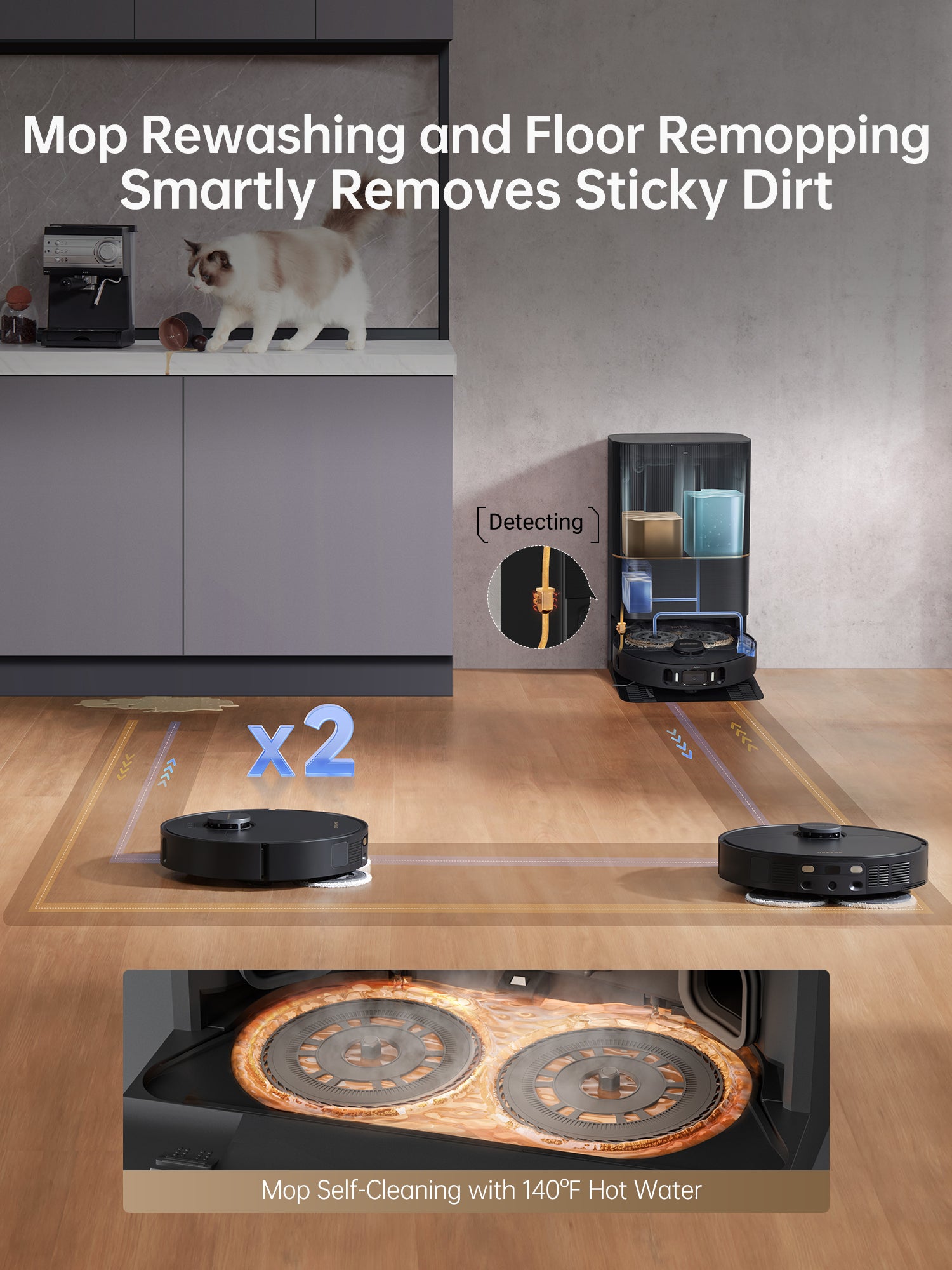
Extending mops and repeat washing/remopping provide a substantial hard-floor workflow.
Navigation & control 20%8.0
Camera and structured-light avoidance plus dirt-response decisions provide adaptable controls.
Ownership & upkeep 20%8.0
Base cleaning and automatic maintenance help, though repeat work adds water and time.
Setup & usability 15%7.4
Older bundles and automatic repetition need staged validation in the home.
Documentation & support clarity 15%7.8
Official functions are identifiable, with condition and regional support requiring separate checks.
Compare scores within the same product category. Small decimal differences should not override your needs or the evidence limits.
How the Standpoint Score works
We score five aspects of the documented product on a 0–10 scale, then calculate a weighted total:
- Task capability30% of the total
- Navigation & control20% of the total
- Ownership & upkeep20% of the total
- Setup & usability15% of the total
- Documentation & support clarity15% of the total
This product’s 8.0/10 is a provisional research assessment. It does not claim measured performance, tested reliability or a verified customer satisfaction rate. Compare it with products in the same category, and read each criterion’s reasoning above.
Read the full rubric and score bands ↗The ownership case.
The wet-care system is the reason to investigate it; check condition, parts and the exact bundle before assuming an older flagship is a bargain.
Reasons to consider it
- Mop extension targets cabinet boundaries
- Rewash and remop workflow
- Station-base cleaning is explicitly part of the design
Go in knowing
- Repeated cleaning can increase time and water use
- Older premium model needs support checks
- Do not assume later brush or chassis hardware
The specification sheet.
Published specifications from the linked sources. Configurations and availability can differ by country.
- Advertised suction
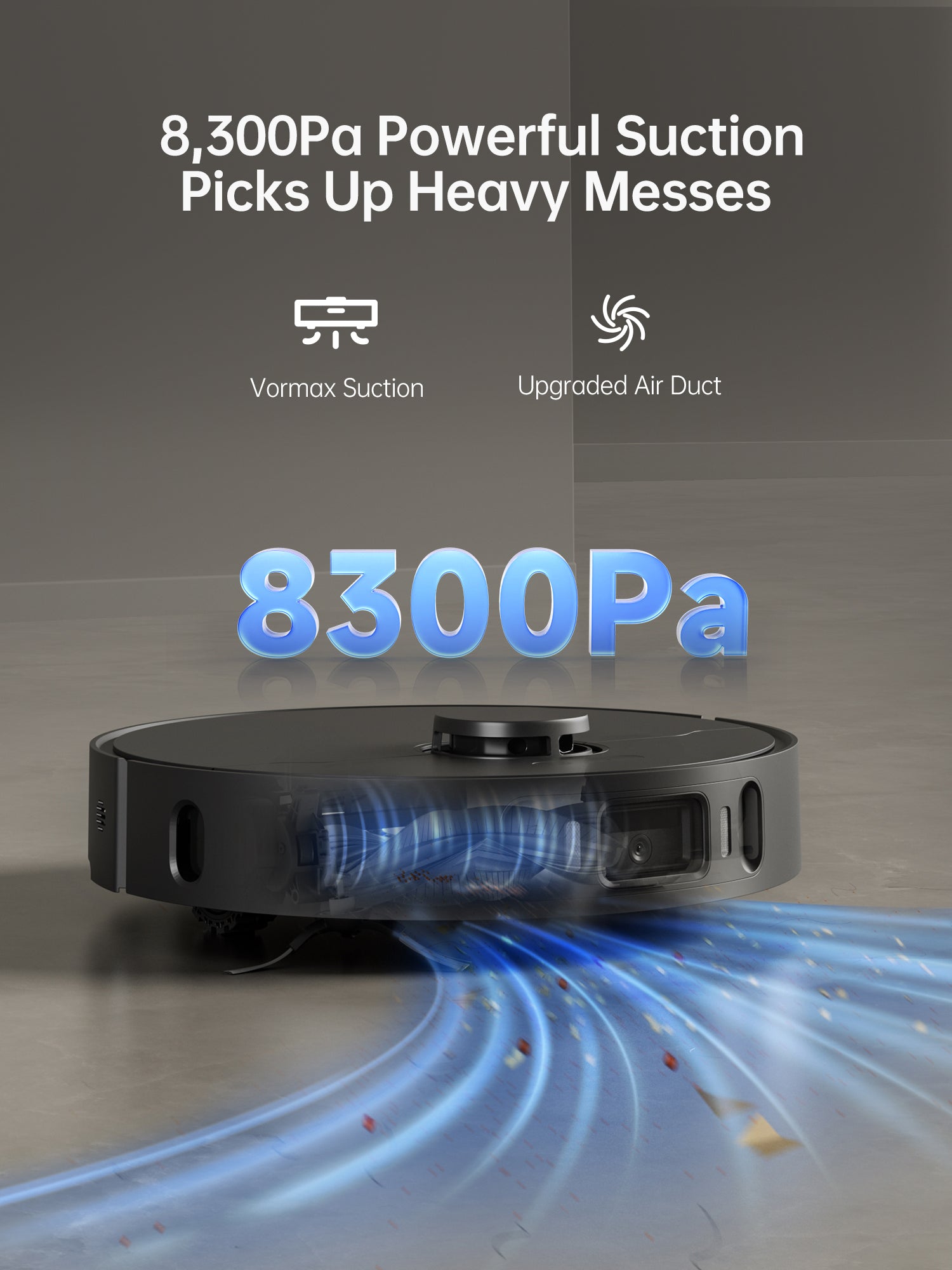
- 8,300 Pa
- Edge system
- MopExtend
- Dirt response
- Mop rewashing and floor remopping
- Obstacle system
- AI Action and 3D structured light
- Station
- Automatic maintenance and base cleaning
The interesting work happens between passes
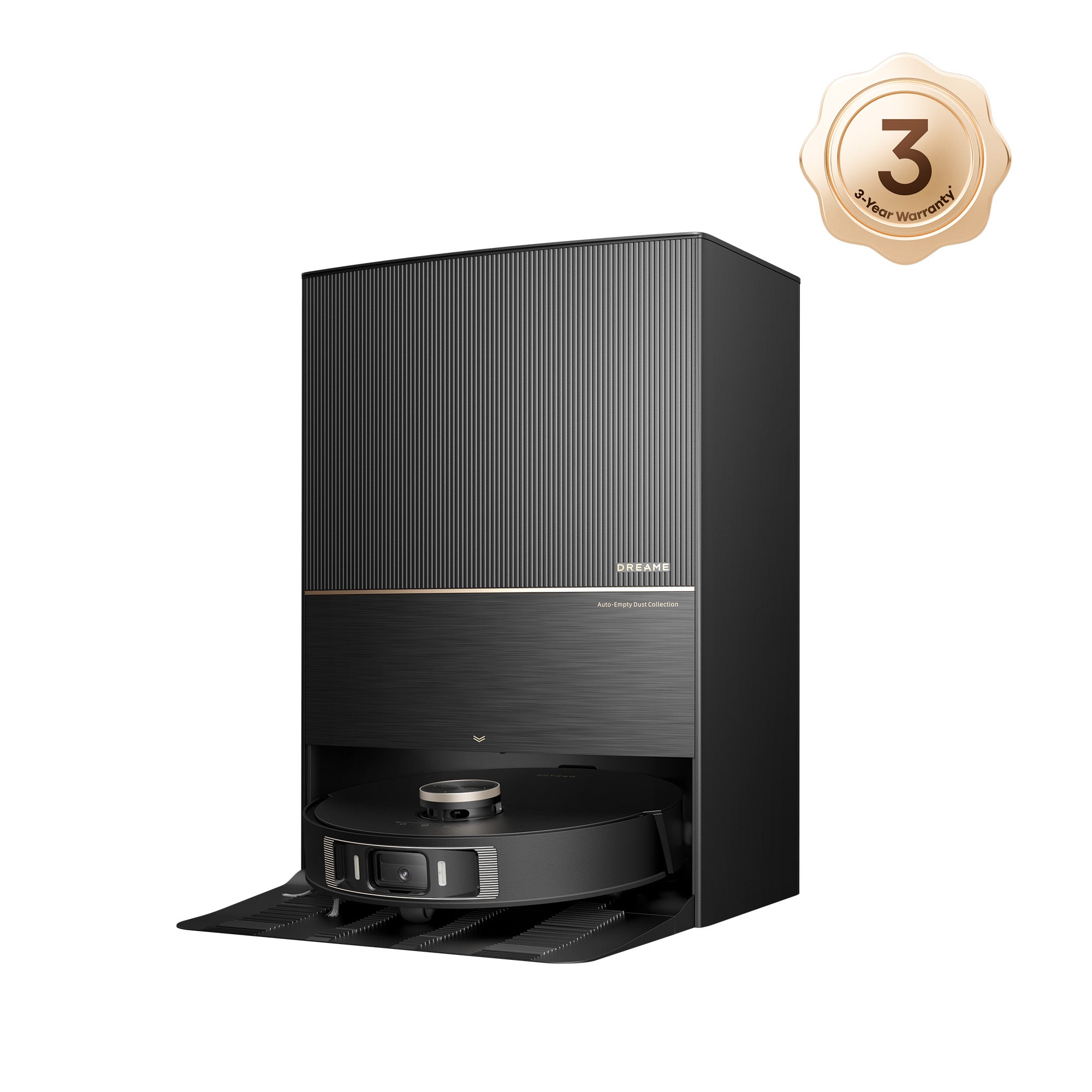
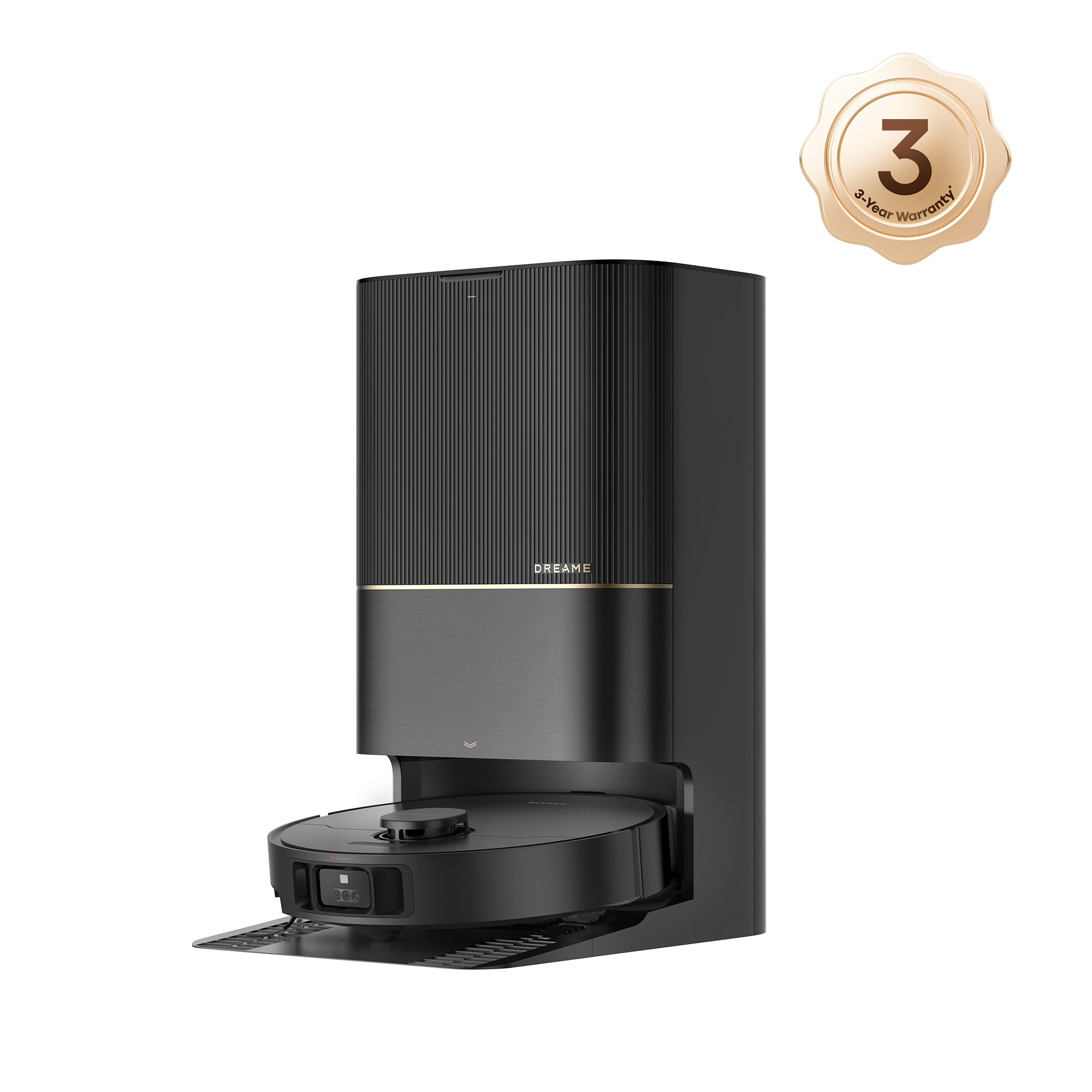
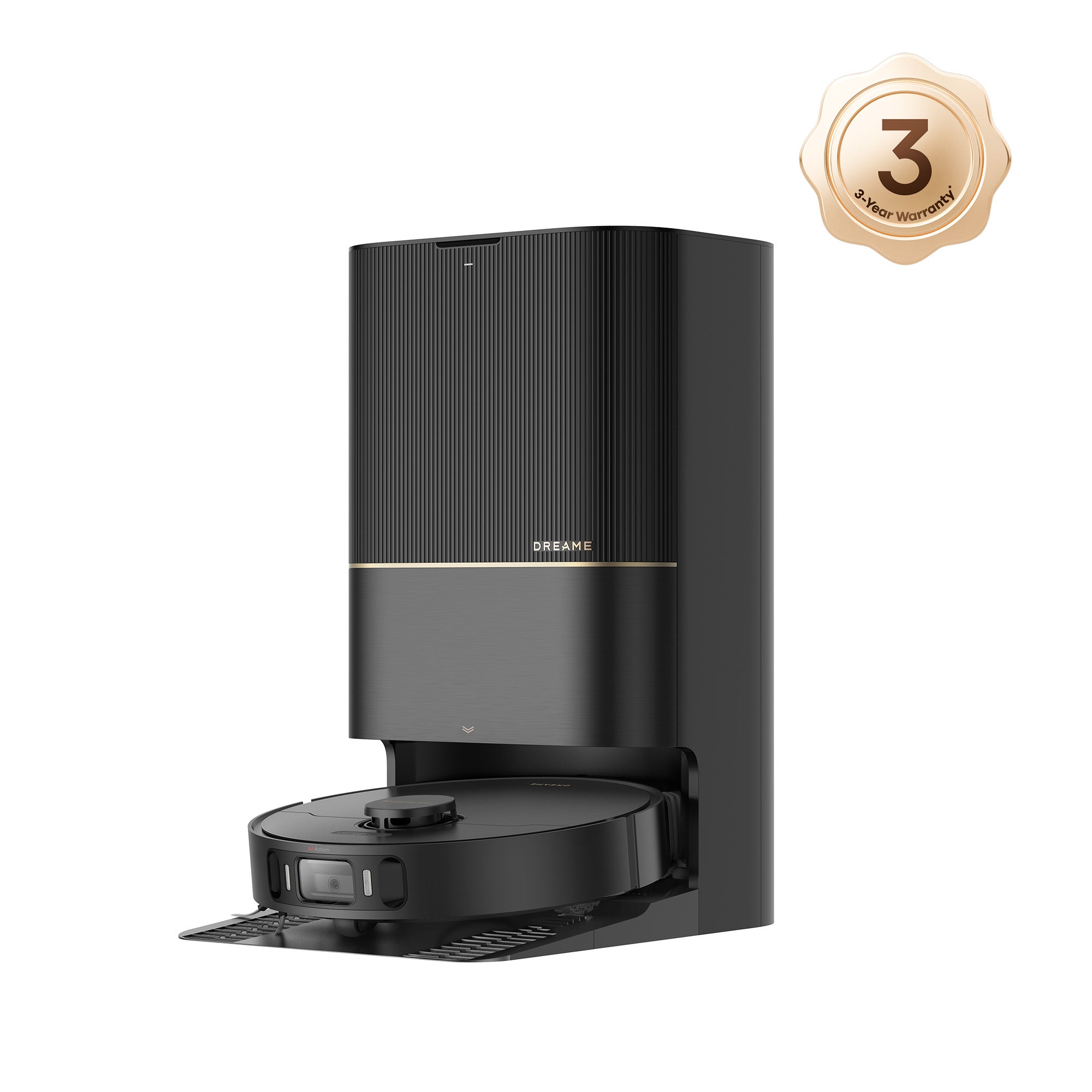
X30 Ultra is built around more than moving a damp pad across a floor. Dreame emphasises mop rewashing, floor remopping and cleaning of the station base, which are all attempts to keep the next pass useful. That is a worthwhile focus because a robot can otherwise continue cleaning with dirty textile or return to an increasingly grimy dock. The buyer should ask whether these repeat-work features reduce visible residue without making the routine excessively long. A kitchen that needs an extra pass after dinner is a credible use case. A clean room that repeatedly triggers unnecessary servicing would be a less satisfying outcome.
MopExtend gives the edge a separate strategy
The extending mop aims to reach farther beneath accessible furniture edges and beside cabinets. This should be assessed where it matters: the narrow strip of dried dirt that remains after a round robot has cleaned the open floor. A larger coverage claim is less informative than inspecting that strip. There are still physical limits around deep recesses and tightly spaced legs. An extension mechanism can only help when the robot finds a productive position. We would compare a normal route with an edge-focused repeat and examine the dry result. More movement and more water should earn their place through a visible improvement rather than simply making a task look thorough.
Automatic repetition is not an independent cleanliness test
The machine's dirt-response logic can decide to wash or mop again, but it should not be treated as proof that every spot on the floor is clean. A sensor samples particular conditions and can only respond to what the system detects. Owners should compare task history with actual residue, especially on patterned surfaces where marks can hide. If a routine becomes unpredictably long, a defined room task may be easier to live with. The useful question is whether the system produces consistent results with less supervision. We would log extra passes, total duration and water handling alongside stain removal instead of praising more automatic activity by itself.
Vacuum pickup remains an open performance question
The advertised 8,300 Pa suction figure identifies X30's stated vacuum capability, but it does not establish a ranking against newer machines. Brush condition, floor contact and route influence pickup. For a pet household, check long hair on the roller and packed material in the intake; for carpet, look for fine debris left after an apparently complete route. The robot's wet-cleaning sophistication should not distract from those ordinary tasks. We have not measured them. A meaningful review would test dry pickup independently, with the mops handled according to the appropriate carpet strategy, before deciding whether the whole machine suits a mixed-floor home.
The purchase case in context
L20 Ultra is the comparison for a related earlier edge-mopping approach; X40 Ultra adds a different mix of extending tools and dirt-control features. A newer L10s Ultra Gen 2 may also be relevant depending on local availability and support. The right answer cannot be found by comparing list prices from different years. Our unresolved X30 questions are practical: how often repeat washing helps, how clean the base remains and how much attention the robot needs over several weeks. Its design makes sense for frequent hard-floor care, provided the exact machine is complete, supported and suited to the home's rugs and obstacles.
Measuring the cost of repeated cleaning
The X30's rewash and remop functions deserve a small ownership log. Record which rooms trigger repeat work, how long the task takes, how often tanks need attention and whether the dry floor visibly improves. This distinguishes useful adaptation to a dirty kitchen from a routine that becomes long without an obvious benefit. It also helps identify when the station or pads need attention. A sensor-driven decision is only as useful as the system's maintained state, and a dirty wash area can complicate interpretation. Begin with a targeted room rather than every available automatic feature. Once a consistent result is established, broaden the routine. A premium robot should reduce the owner's need to inspect every pass, but initial observation is necessary to learn what its decisions mean in this home.
An older X30 offer should include a complete inventory of the base and wet components. Confirm condition, battery assessment where relevant, tanks, tray, mop mounts and the exact brush supplied. Photographs of a fully equipped promotional unit do not establish the contents of an open-box listing. Retain packaging until the robot has completed dry cleaning, mop care and a reliable return from the farthest room. Check consumable availability in the intended country and record actual part numbers. If a seller cannot explain how a dock fault is handled, a large discount is less convincing. The robot and station form one working system, and the station's size and weight can make cross-border repair shipping a significant inconvenience even when a nominal warranty exists.
For X30's camera and structured-light system, use harmless representative clutter to inspect both avoidance and missed area. Remove cords and valuable objects rather than treating recognition as a guarantee. Review optional remote access and account sharing separately from the mapping needed for cleaning. On rugs, verify the actual unit's available strategy and observe transitions after pads are wet; do not import assumptions from X40 or X50 instructions. Canadian buyers should confirm regional coverage and local supply before purchasing from a US listing. The most rational comparison with a newer midrange model is the whole weekly routine: stain removal, edge coverage, rescues, water handling and station cleanup. X30's repeat-work concept is valuable when it produces a better maintained floor with less human effort, not merely when the app records more activity.
Sources & further reading.
These are the sources behind this research review. Manufacturer claims are not independent performance measurements. Community accounts, when cited, describe individual experiences.
Documentation reviewed: 9 October 2026. Product software and regional bundles can change. Corrections and editorial disclosures.