An editorial assessment of documented capabilities and ownership trade-offs. This is not a hands-on test result or a measurement of reliability.
Features & capability 30%8.6
Cancellation, ambient controls and listening options offer versatility; no sound-quality result is implied.
Compatibility & connectivity 20%8.5
Multipoint and an analogue option support varied equipment, with device-specific behaviour to verify.
Ownership & upkeep 20%7.8
Battery planning and cushion care remain recurring considerations; durability is untested.
Setup & everyday use 15%8.1
Folding supports packing, while fit and automatic settings need individual evaluation.
Documentation & support clarity 15%8.4
Model-specific specifications and support links clarify the proposition without establishing repair quality.
Compare scores within the same product category. Small decimal differences should not override your needs or the evidence limits.
How the Standpoint Score works
We score five aspects of the documented product on a 0–10 scale, then calculate a weighted total:
- Features & capability30% of the total
- Compatibility & connectivity20% of the total
- Ownership & upkeep20% of the total
- Setup & everyday use15% of the total
- Documentation & support clarity15% of the total
This product’s 8.3/10 is a provisional research assessment. It does not claim measured performance, tested reliability or a verified customer satisfaction rate. Compare it with products in the same category, and read each criterion’s reasoning above.
Read the full rubric and score bands ↗The ownership case.
A strong documented one-headphone proposition for travel and mixed-device work, subject to personal comfort, recipient-side call checks and actual listening evidence.
Reasons to consider it
- Documented adaptive cancellation controls
- Multipoint and analogue connection options
- Folding design for travel
Go in knowing
- Comfort cannot be predicted from specifications
- Sound and cancellation have not been tested here
- Bluetooth behaviour depends on the paired devices
The specification sheet.
Published specifications from the linked sources. Configurations and availability can differ by country.
- Type
- Closed over-ear wireless headphone
- Cancellation
- QN3 processor; 12-microphone arrangement
- Battery claim
- Up to 30 hours with cancellation on
- Connections
- Bluetooth multipoint; detachable analogue cable
- Packing
- Folding earcup design
A travel headphone has more than one job
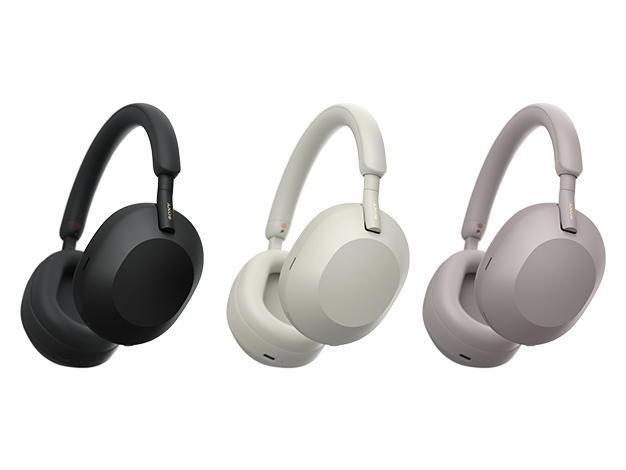
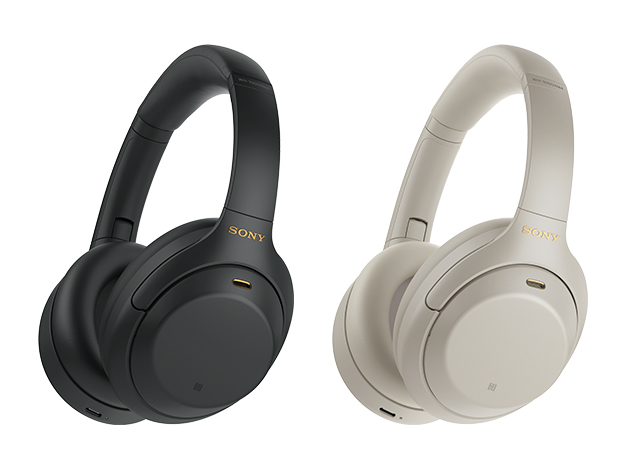
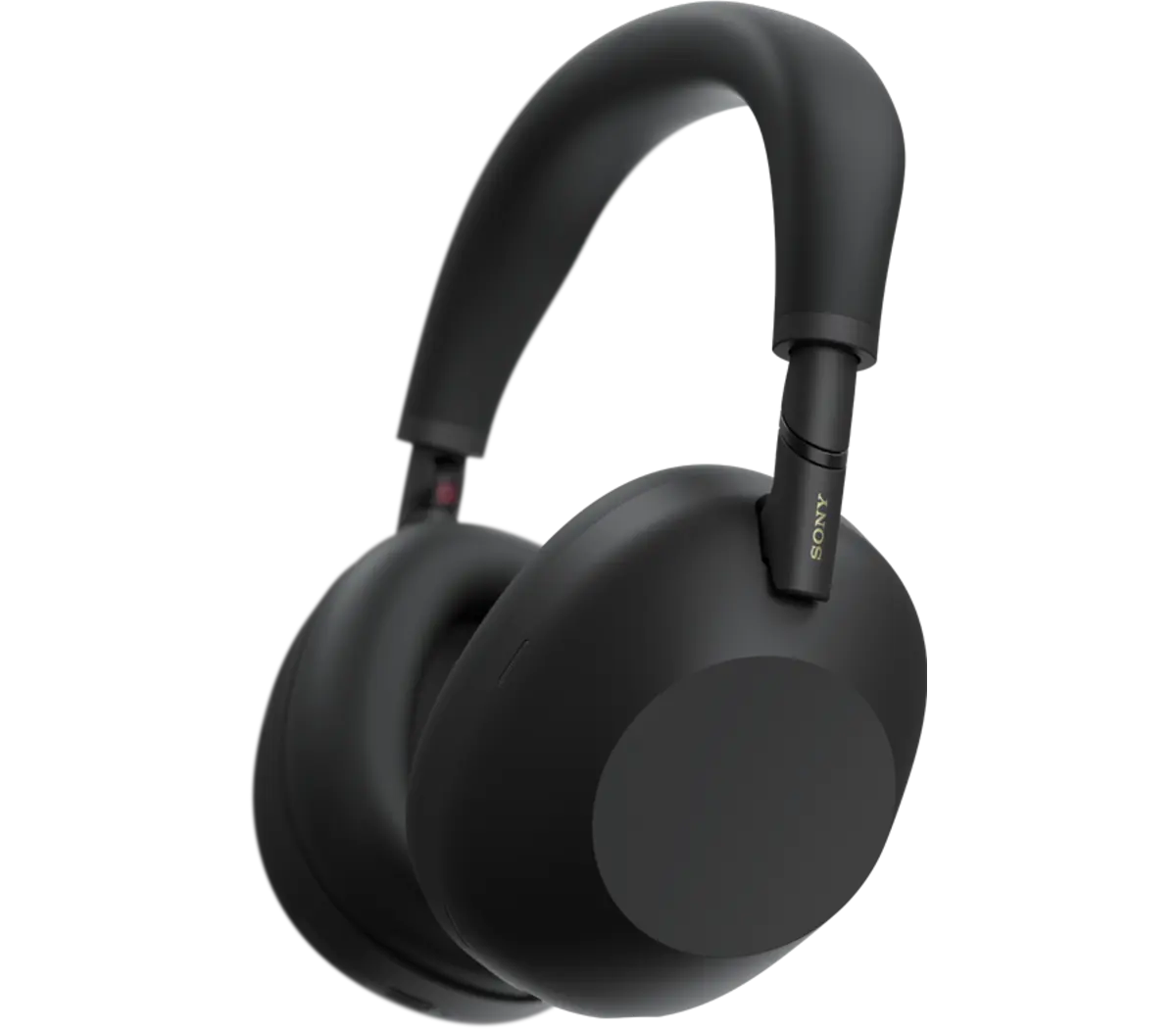
Sony's WH-1000XM6 is a premium wireless headphone whose appeal includes noise cancellation, calls and a travel-friendly physical arrangement. The purchase should start with the setting in which it will be worn. A frequent flyer, a person sharing an office and someone listening quietly at home do not need the same compromises. Isolation may matter most in one case, microphone behaviour in another, and wearing comfort in all of them. A product's reputation cannot settle those individual requirements.
Sony publishes an extensive capability list, but this is a research assessment rather than a listening test. We have not compared noise reduction, measured frequency response or worn the headphones through a long journey. The provisional Standpoint Score recognises the documented versatility while leaving those central outcomes open. A useful purchasing decision will combine that documentation with a fit check and listening evidence relevant to the buyer's environment, rather than treating a branded processor or a marketing superlative as proof of superiority.
Noise cancellation is a function to evaluate in context
Sony describes adaptive cancellation built around its QN3 processor and a 12-microphone arrangement. That explains the advertised mechanism, not how much a particular distraction will be reduced for a particular wearer. An aircraft cabin, nearby speech and irregular street sounds are different challenges. The relevant question is not simply whether cancellation is present, but whether it helps the listener at a sensible volume without creating an uncomfortable sensation or making useful sounds too difficult to notice.
Fit also matters to the result. Glasses, hair, ear shape and how the cups sit can affect the physical seal. Try the headphones with the accessories normally worn, and move the head rather than judging a stationary fit alone. We would test repeated conditions and document settings before comparing them with another model. A spectacular demonstration in one carefully chosen environment would be insufficient. Our research verdict therefore credits the available controls and cancellation proposition while withholding a claim that they are the best at removing every kind of noise.
Sound quality needs listening evidence
The specification list includes LDAC support, and Sony describes its tuning and processing. Codec availability is not a guarantee that every source device uses the same mode or that a listener will prefer the result. Check the phone or computer's compatibility and actual connection settings. The recording, listening volume and headphone fit remain part of the experience. A high-resolution label cannot make a poorly recorded track better, and a more elaborate transmission mode is not automatically necessary for spoken-word listening.
Choose a short, familiar listening set that covers the material you actually enjoy. A headphone should make speech understandable and music engaging without requiring an extreme volume. Evaluate any equaliser changes consistently and keep the original settings available for comparison. We would also check whether listening character changes with cancellation settings or a wired connection. Until those observations exist, this article does not describe imagined bass texture, instrument separation or tonal accuracy. The sensible research conclusion is that the documented options are versatile, with preference and quality still requiring listening.
Calls and multipoint can simplify a working day
Sony lists multipoint connectivity, making the headphone potentially useful for someone alternating between a computer and a phone. The important usability test is the transition: does a meeting yield predictably to a call, and is it clear which device currently has control? Pair the exact work computer and phone before relying on the arrangement. Corporate settings, application behaviour and Bluetooth implementations can affect convenience, so a general compatibility statement should not become a promise about every office setup.
Microphone claims require similar scrutiny. A colleague hearing a short sample in a quiet room does not establish call quality beside traffic or during a busy commute. We would record comparable speech in several ordinary environments and listen from the recipient's side. Check mute controls and how the conferencing application handles the headset as well. A premium headphone can be a practical work accessory, but someone whose livelihood depends on clear calls should compare it with a dedicated headset rather than assume a higher purchase price settles the microphone question.
Battery duration and wired listening are separate benefits
Sony advertises up to 30 hours with noise cancellation on and documents a detachable analogue connection. The battery figure is a planning claim with conditions, rather than our measured endurance. For a traveller, consider whether the expected use spans several flights and how charging fits between them. A worker should consider daily meetings as well as music. Keep the charging cable with the travel kit and verify the intended power source against the current instructions.
A wired option can help with equipment that does not provide convenient Bluetooth audio, but the operating mode still matters. Check the documentation for what remains available with the headphone powered on or off and whether the source expects a microphone. An analogue connection should not be assumed to reproduce every wireless function. We would test the complete arrangement with an aircraft adapter or office device before praising it as a universal backup. The useful ownership benefit is having another connection path, provided its actual capabilities match the situation.
Folding improves packing, while comfort remains personal
The folding design gives the XM6 a practical travel proposition. Inspect how it fits the supplied case and the bag you actually carry, and follow Sony's handling instructions rather than forcing the joints into an assumed position. A compact packed shape can reduce inconvenience, but moving parts deserve ordinary care. We have no long-term observations of hinge durability and would not infer it from a product photograph or a brief shop demonstration.
Comfort should be assessed over time. Try the headband adjustment and cup position, then notice pressure, heat and whether the fit shifts during ordinary movement. A headphone can feel comfortable for five minutes and distracting after an hour. Ear cushions are also an ownership item: check cleaning guidance and replacement arrangements before purchase. Someone intending to use the headphones for exercise should verify the manufacturer's permitted use and environmental limits rather than assuming premium travel headphones are sports equipment. Choosing the right role is part of preserving the product.
The app should support listening without becoming a chore
Check Sony's current companion-app requirements and the settings the buyer actually wants. A person interested in equalisation and device behaviour may welcome detailed controls; someone who wants to pair once and listen may prefer a simpler routine. Review permissions and optional features deliberately. Automatic behaviour is useful only when it is predictable, and a setting that changes listening unexpectedly can be more distracting than helpful. Keep track of what has been enabled before judging the hardware.
Firmware can affect the experience, so a future evaluation should record the installed version and settings. We would also check that essential functions remain convenient when moving between devices and after restarting them. Update guidance, regional support and warranty handling deserve attention, especially for imported or refurbished units. A discounted set is less attractive if its condition or service route is unclear. The provisional support criterion reflects the clarity of documentation, not a service interaction we have not conducted or a promise that every repair will be straightforward.
The research verdict
The WH-1000XM6 offers a strong documented toolkit for a buyer seeking one headphone for travel, listening and mixed-device work. Its appeal is conditional on personal fit and on how well the cancellation, sound and microphones perform in the intended settings. Those are the very reasons to avoid making this an automatic recommendation based on specifications. An existing comfortable headphone that already handles the daily routine may remain the better purchase decision than upgrading for a new feature list.
Before buying in Canada or the US, verify the local seller, warranty, colour availability and complete package. Compare the actual price at the time of purchase without treating a temporary promotion as a permanent value advantage. Our next assessment would include controlled listening, recipient-side call samples, travel packing and measured battery use. Until then, the Standpoint Score is a provisional ownership assessment. It recognises a versatile proposition while keeping the outcomes that define a headphone review available for honest, evidence-based testing.
Sources & further reading.
These are the sources behind this research review. Manufacturer claims are not independent performance measurements. Community accounts, when cited, describe individual experiences.
- WH-1000XM6 — Sony US product page ↗manufacturer
- WH-1000XM6 — Sony specifications ↗manufacturer
Documentation reviewed: 9 October 2026. Product software and regional bundles can change. Corrections and editorial disclosures.